geography

What is a hostel

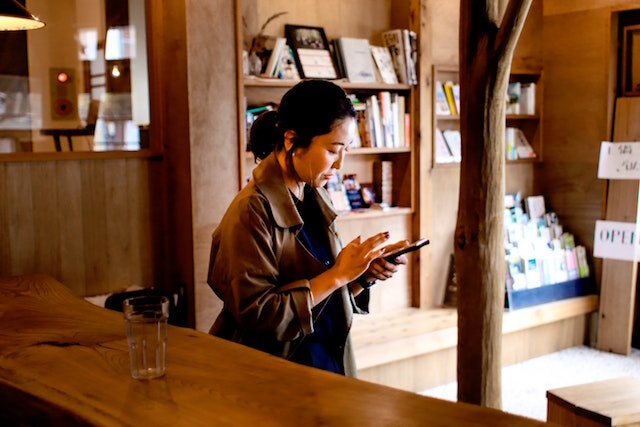
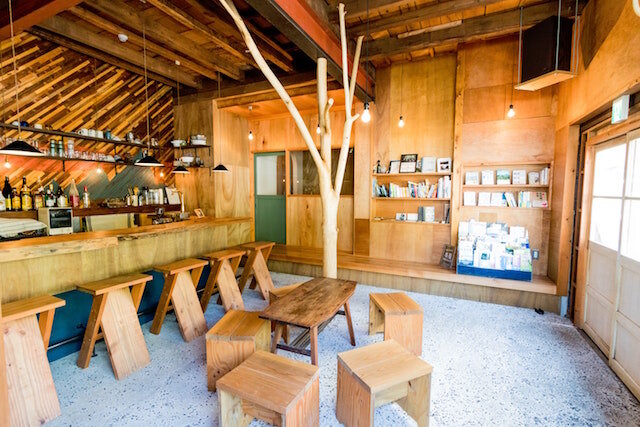
Kapai Hostel in Valdivia, Chile (South America)

What is a hostel?

A hostel is a form of budget lodging where backpackers and other travelers may rent a bed (usually bunk style) in a room with other travelers which includes ALL communal amenities, such as shared bathrooms, kitchen(s), and social gathering areas. 

  • In a hostel, the main selling unit is a BED as opposed to renting a ROOM like in a hotel

  • Hostelers most commonly share a room with 4 to 8 fellow travelers. Shared rooms with up to 20+ beds are fairly common (pre-COVID)

  • Some offer meals, coffee, and planned activities/excursions


Besides the bedroom, all other facilities are also shared among the guests, including:

  • Bathroom/shower
  • Kitchen
  • Social areas (i.e. TV room)

hostel.jpg

Hostel Vs Hotel

There are 3 primary differences between a hostel and a hotel:

  1. Hostels provide a dormitory-style setting where you rent a bed instead of a room

    • Dormitory = shared = cheaper

  2. With hostels, you share amenities, such as bathrooms, showers, kitchen, and social gathering areas

  3. Hostels are designed around shared experiences and meeting fellow travelers as opposed to social isolation in your own hotel room.


Hostel Prices

Prices, along with meeting fellow travelers are the main reasons that tourists/backpackers stay at hostels.

  • Location is a key factor when choosing a hostel – if you are visiting a city for its sights, and you plan to stay out late into the evening in a bar or a restaurant, then choosing a hostel that is located close to the vibrant nightlife district would be a good idea.

  • This is especially true if you are unsure about walking alone back to a hostel after sunset. However, if you are planning a trip that involves exploring the wild jungle areas of South America and south-east Asia, then you would want to stay in hostels that are located in these areas.

Typical Hostel costs around the world (low end)

  • Australia: $40 USD per night

  • China: $7 to $35

  • Southeast Asia: $10 to $50

  • Western Europe: $18 to $60

  • Eastern Europe: $12 to $31

  • Africa: $8 to $45

  • South America: $5 to $35

  • United States of America: $25 to $45

  • Canada: $25 to $45

  • Central America: $10 to $30

High-season Vs Low-season & Cost

Keep in mind that prices can fluctuate dramatically between high-season and off-season (low season). A private room at a hostel in Phuket, Thailand in the off-season goes for under $15/day. This same room during peak season will go for over $60/night.


Average minimum hostel Price

Price/day in USD and info sourced from Lonely Planet (PedalChile.Com)

age of Hostel Guests


Millennials represent 70% of total hostel travellers
— From the Journal of Tourism Futures


A hostel is an informal environment targeted at young people, students, and backpackers. The average age of hostel guests is between 18 and 35 with most in their 20s and early 30s.

Hostel & Shared Rooms

hostel beds.jpg

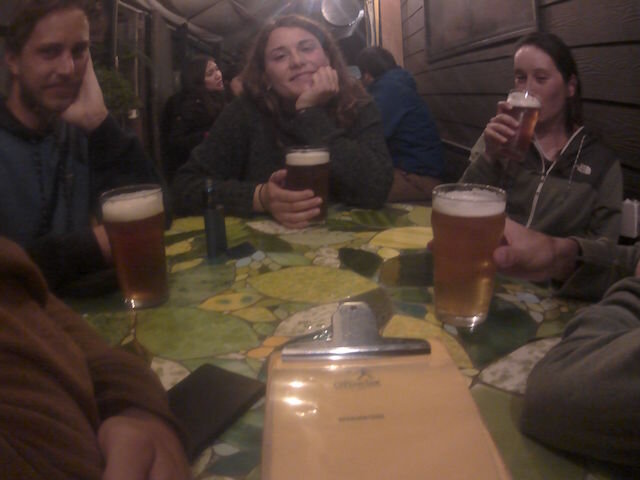
They often consist of several beds or bunk beds within a shared dormitory room that can generally hold at least several people, and in some cases more than 20 travelers, at least before Covid.

I’ve personally been to hostels in Australia, Costa Rica, and Miami (USA) where I shared a room with over 20 fellow travelers. While in the Gold Coast of Australia, sharing a room with nearly 2 dozen “backpackers” cost me over $20/night.

Shared Facilities

Hostels include other shared facilities such as a common room, a kitchen, and a bathroom. Whereas some mid-range hostels may include a self-service breakfast and coffee, hostels are often run on a self-catered basis, although a basic breakfast may be provided. 

Today, free WiFi is nearly standard in hostels, although some parts of remote villages will lack this basic amenity.

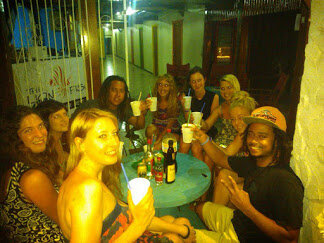
The majority of hostels tend to be specifically tailored toward backpackers and low-budget travelers and are great for socializing and meeting many other holiday-makers. Although often used for single-night stays, it is also quite common to spend two or more nights at a hostel. In highly touristy areas, its not uncommon to meet “backpackers” who have been “staying” at the hostel for months, and only leave once their travel visa expires.

Lu getting ready for Halloween in Patagonia

Lu getting ready for Halloween in Patagonia


Book Ahead

In most cases, booking ahead is recommended, particularly if you are hosteling in North America, Europe, or in rather busy and popular (touristy) areas around the world, or in places where a big event such as a music festival is scheduled to take place.

You may also want to reserve a place in a hostel if you are aiming to stay overnight after a long day of traveling. However, you may be able to get a good deal if you turn up at a hostel without a reservation, and booking is not essential in every case.

Hostels are frequently found in many countries, including internationally-renown backpacking hotspots such as South America and Southeast Asia, but also in countries where traveling and accommodation costs are significantly higher, such as in many European countries.

“Party” Hostels

Another thing to consider is the social life – some hostels, particularly in areas of extreme tourism are frequented by young tourists looking to “meet-up” – these facilities market themselves as ‘party hostels’.

Party hostels cater to backpackers who are after nights of partying - The hostel bar, pool, lounging and socialize areas are common in these type of hostels, with many guests spending their entire trip in these accommodations.

However, if you are a traveler who likes to be up early in the morning fresh and ready for a full day of exploring, and you don’t welcome the idea of people stumbling into the dorm throughout the night, then you might want to avoid this type of lodging. There are plenty of hostels that have a curfew and quiet hours, which allow hostelers to enjoy an undisturbed (minus the snoring) night of sleep.

Read The Reviews

Before booking, read the reviews on third-party booking sites, like Hostel World. This will give you an idea:

  • The location

  • Facilities and amentities

    • Cloth laundering services

    • Is a towel included after showering?

    • Bike Rentals

    • Secured lockers

    • Book exchange

  • Loudness or quietness

  • Average age of guests

  • Wi-Fi speed

Although some hostel chains exist, every hostel is different – so it is advisable to check before planning to stop at a particular hostel. For starters, each hostel offers different facilities – not just the number of beds in each dormitory, but some include only mixed rooms, whereas others will have gender-separated dorms.

Private Rooms & Hostels

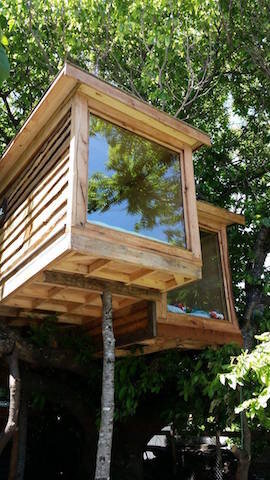
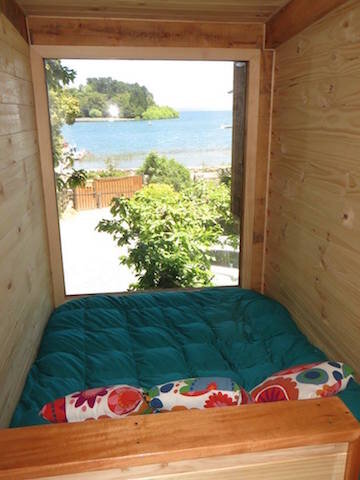
The private room in the Tree House at Chili Kiwi Hostel in Pucón, Chile (South America)


Due to growing demand from backpackers who are after a slightly more luxurious break, some hostels in recent years have started to include single-use basic rooms – a few of these even contain en-suite bathroom facilities. However, prepare to pay extra money for these as it’s not uncommon that these prices will approach or even surpass those of hotels.

Also, keep in mind that some places, such as Bali in Indonesia, don’t offer dorm-style lodging. Lonely Planet recommends that minimalist travelers should budget nearly $50 (41 Euro) per night in Bali, just to stay in a low-cost room. This makes backpacking these countries much more expensive, which is why Lonely Planet recommends a minimum daily budget of $80 (66 Euro) for Indonesia. I have male friends that actually shared a bed with random travelers in Bali, just so they wouldn’t ruin their traveling budget.

Final Thought

Hostel standards, including facilities and amenities, vary significantly from hostel to hostel. Although some hostels may only contain table-and-chair type facilities with a sofa or two, others contain nicely furnished lounges, bars, restaurants, barbecue areas, pools, billiards tables, and even private beaches.

Make sure you chat with other travels, read reviews, and look at pictures before booking. Also, if you are traveling in high season, I strongly recommend booking ahead of time. In theory, it’s great to be “free” with no plan while “backpacking,” but the reality is you will spend way more money and time looking for an open bed - all while staying in inferior places with a non-choice crowd.

Good luck and maybe we will meet in Chile’s Patagonia!


valentina - bio pic copy.jpg

Valentina is a guide for Pedal Chile and is our resident badass. Valentina was born and raised in La Patagonia, which probably explains her affinity for adventuring. Valentina has traveled to over 100 countries and has lodged in hundreds of hostels.

  • Favorite season: Austral Summer 


More articles from Pedal Chile


References & Sources for “What is a hostel?”

  1. Hostelgeeks. “What Is a Hostel? 12 Hostel Definitions 2021 (FINALLY the Right Answer).” Hostelgeeks.com, 12 July 2020, hostelgeeks.com/what-is-a-hostel-defintions.

  2. Iaquinto, Benjamin Lucca, and Stephen Pratt. “Practicing Sustainability as a Backpacker: The Role of Nationality.” International Journal of Tourism Research, vol. 22, no. 1, Sept. 2019, pp. 100–107, 10.1002/jtr.2321.

  3. Planet, Lonely. “Money and Costs.” Lonely Planet, www.lonelyplanet.com.

  4. Shokoohyar, S. (2019) “Determinants of Backpackers’ Perceptions of Security? A WOM-based Approach”, e-Review of Tourism Research, 16(4).

  5. Veríssimo, Medéia, and Carlos Costa. “Do Hostels Play a Role in Pleasing Millennial Travellers? The Portuguese Case.” Journal of Tourism Futures, vol. 4, no. 1, 9 Mar. 2018, pp. 57–68.
Coldest Temperature Recorded On Earth

Antarctica .jpg
 
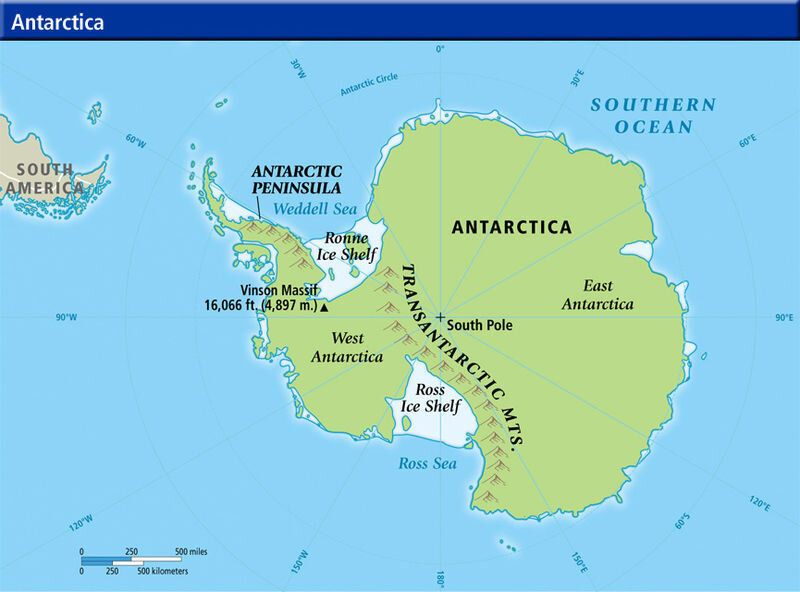
Antarctica is a land of extremes. It is the highest, coldest, driest, and windiest continent on Earth.
— Journal of Climate
 

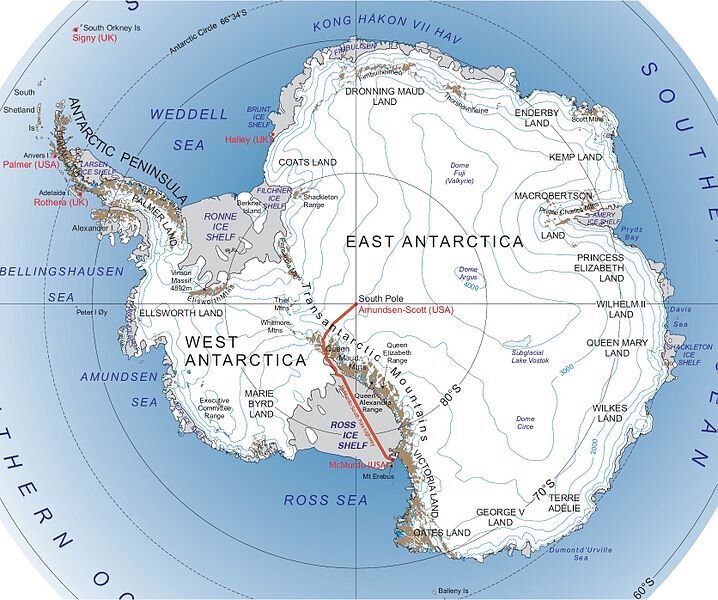
Minus 145.5°F or -98.6°C is the coldest recorded air temperature on Earth. Located on a high ridge on the East Antarctic plateau, a few hundred miles from the Vostok research station.

  • For comparison, the coldest recorded temperature on Mt. Everest is minus 43 degrees Fahrenheit (-42°C) or 100°F / 56°C warmer.


Volsok station, located near Lake Vostok (Image Source)

Volsok station, located near Lake Vostok (Image Source)


Vostok station - Antarctica

The Vostok weather station is located at 11,444 feet (3,488m) above sea level on the East Antarctic plateau.

  • On July 21, 1983, the lowest temperature on Earth was recorded (−129°F or −89.2 °C) at this station.

Since then, weather research has gotten better, especially with the use of satellite technology. A 2019 study, from a research team at the University of Colorado Boulder (CU), analyzed satellite data from 2004 to 2016.


“The East Antarctic Plateau is a windswept desolate expanse the size of Australia with few bases or instruments.” (Image & Quote Source: NSIDC)

“The East Antarctic Plateau is a windswept desolate expanse the size of Australia with few bases or instruments.” (Image & Quote Source: NSIDC)


What the CU research team discovered:

  • Lowest recorded temp

    • -145.5°F (-98.6°C)

  • Coldest average temp ranges

    • Minus 144.4°F to −145.5°F (−98°C to −98.6°C) was recorded at over 100 sites during the 12 years

  • The lowest observed temperatures were found in shallow topographic basins

Coldest natural place on Earth

“Blowing snow conditions at a campsite near Vostok Station in Antarctic summer.” (Image & Quote Source: NSIDC)

“Blowing snow conditions at a campsite near Vostok Station in Antarctic summer.” (Image & Quote Source: NSIDC)


While neither Vostok nor the Sole Pole is the coldest place on Earth, they are not far off. The shallow depressions of the East Antarctica Plateau is the coldest region on Planet Earth with an average winter temperature of -62°F (-52°C).

  • Antarctica is the coldest place on earth, even colder than the Arctic, the South Pole, or the summit of Mount Everest

    • -42°F (-41°C): The coldest temp measured on the summit of Mt. Everest (over 100 degrees Fahrenheit warmer than Antarctica)

  • Of the top 100 coldest places on Earth, all 100 of them reside in Antarctica

Why is Antarctica so cold?

There are 4 main reasons that Antarctica is the coldest place on earth:

  1. Sunlight

    • Sunlight or more accurately, lack of sunlight. Due to its position over the South Pole, Antarctica experiences 6 months of darkness each year.

  2. Altitude

    • Antarctica is the highest continent on Earth with an average altitude of 8,200 feet (2,500 m).

    • The coldest temperatures measured on the south side of the East Antarctic ice divide were between 12,600 to 13,300 feet (3,850 to 4,050 meters) in elevation.

  3. Reflective surfaces

    • Ice and snow are highly reflective. The vast majority of radiating heat and light gets reflected out to space, which keeps the air above them relatively cool.

  4. Clear, calm & dry skies

    • Clear and calm skies create the perfect conditions for dry air. This dry air, drops the temperature even lower, as the water vapors block the loss of heat from the snow surface.

    • Cold, dense air descends and pools above the surface which remains in the depressions or basins. This allows the surface and the air above, to cool even further.


Antarctica - Satellite image (Image Source)

Antarctica - Satellite image (Image Source)


How cold is -145°F

  • On Earth, minus 145.5°F (-98.6°C) is about as cold as it can get.

This temperature is so close to Earth’s lower limit that humans can’t even breathe it without hemorrhaging. Even the previous cold record from 1983, which was over 10% warmer, the Russian scientists had to wear special masks that warmed the air before inhalation.


about jesse.png

Jesse is the Director of Pedal Chile and lives in La Patagonia and Puerto Rico. Jesse has a Master of Science in Health and Human Performance and a Bachelor of Science in Kinesiology. Hobbies: Mountain biking, bicycle commuting, reading, snowboarding, researching, and sampling yummy craft beers.


More articles from Pedal Chile

Sources & References for “World’s Coldest Temperature”

  1. Borunda, Alejandra. “Coldest Known Temperature on Earth Recorded in Antarctica.” Science, 27 June 2018, www.nationalgeographic.com/science/article/coldest-place-earth-measured-temperature-antarctica-science.

  2. Cooperative Institute for Research in Environmental Sciences at the University of Colorado Boulder. “New Study Explains Antarctica’s Coldest Temperatures.” CIRES, 25 June 2018.

  3. Horwood, C., Williams, K. L., Skinner, T., Brown, R., Renouf, T., & Dubrowski, A. (2017). Trauma and Hypothermia in Antarctica: An Emergency Medicine Marine Simulation Scenario. Cureus, 9(6), e1341.

  4. Scambos, T. A., et al. “Ultralow Surface Temperatures in East Antarctica from Satellite Thermal Infrared Mapping: The Coldest Places on Earth.” Geophysical Research Letters, vol. 45, no. 12, 28 June 2018, pp. 6124–6133, 10.1029/2018gl078133.

  5. SVS, NASA’s. “SVS: Coldest Place on Earth.” Svs.gsfc.nasa.gov, 4 Dec. 2013, svs.gsfc.nasa.gov/4126.

  6. ‌Turner, John, et al. “Extreme Temperatures in the Antarctic.” Journal of Climate, vol. 34, no. 7, Apr. 2021, pp. 2653–2668, 10.1175/jcli-d-20-0538.1. Accessed 27 Apr. 2021.

  7. ‌Turner, John, et al. “Record Low Surface Air Temperature at Vostok Station, Antarctica.” Journal of Geophysical Research, vol. 114, no. D24, 16 Dec. 2009, 10.1029/2009jd012104.

Is Puerto Rico Domestic Travel

Puerto Rico as seen from Space - This photo was taken from the International Space Station (Image Source: NASA)

Puerto Rico as seen from Space - This photo was taken from the International Space Station (Image Source: NASA)


Puerto Rico, as a U.S. territory, is governed by the United States Federal Government. The Commonwealth of Puerto Rico is considered domestic travel from the United States, as long as you don’t touch down in a foreign place or port before arriving in Puerto Rico.

  • U.S. citizens and lawful permanent residents don’t need a passport to visit

  • Puerto Ricans, as U.S. citizens, don’t need a passport to go to the rest of the United States

  • When traveling to Puerto Rico, you only need a government-issued ID or Permanent Resident card

In other words, mainland U.S. travelers and Puerto Ricans are all United States citizens. You only need a valid ID, such as a driver’s license, to confirm citizenship for travel to and from Puerto Rico and to the 50 U.S. states or American territory.


Emajagua, Maunabo, Puerto Rico (USA)

Emajagua, Maunabo, Puerto Rico (USA)


U.S. Customs & Puerto Rico

The United States Customs and Border Protection (CBP) agency, states on their website:

“U.S. Citizens and Lawful Permanent Residents (LPR's) who travel directly between parts of the United States, which includes Guam, Puerto Rico, U.S. Virgin Islands, American Samoa, Swains Island and the Commonwealth of the Northern Mariana Islands (CNMI), without touching at a foreign port or place, are not required to present a valid U.S. Passport or U.S. Green Card."

“However, it is recommended that travelers bring a government issued photo ID and copy of birth certificate.”

U.S. Territories & domestic travel

A map of United States of America and territories. The 50 states are colored in blue, inhabited territories are colored green, and uninhabited territories are colored orange (Image Source).


The United States of America controls 14 U.S. territories, 5 of which are inhabited and can be visited without a passport.

  • Puerto Rico

  • U.S. Virgin Islands

  • American Samoa (including Swains Island)

  • Guam

  • Northern Mariana Islands

Domestic travel, as an American citizen, consists of travel to any destination within the continental United States, Alaska, Hawaii, and all the U.S. territories, including the Commonwealth of Puerto Rico.

Paseo del Morro - Puuerto Rico

Paseo del Morro - Puuerto Rico


about jesse.png

Jesse is the Director of Pedal Chile and lives in La Patagonia and Puerto Rico. Jesse has a Master of Science in Health and Human Performance and a Bachelor of Science in Kinesiology. Hobbies: Mountain biking, bicycle commuting, reading, snowboarding, researching, and sampling yummy craft beers.


References & Sources

  1. “CBP Customer Service.” Help.cbp.gov, 27 Sept. 2019, help.cbp.gov/s/article/Article-980?language=en_US.

  2. Continenza, Dara. “Five Exotic Places You Can Go without a U.S. Passport.” USA TODAY, 20 June 2013.

  3. “Domestic Travel - OBFS.” Www.obfs.uillinois.edu, 10 Feb. 2020, www.obfs.uillinois.edu/bfpp/section-15-travel/domestic-travel. ‌

  4. “Identification – Luis Muñoz Marín International Airport.” Aeropuertosju.com, aeropuertosju.com/en/passengers/identification/.

  5. nationsonline.org. “Puerto Rico - Island Profile - Nations Online Project.” Www.nationsonline.org, www.nationsonline.org/oneworld/puerto_rico.htm.

  6. “Where Can U.S. Citizens Travel without a Passport?” U.S. Passport Service Guide, www.us-passport-service-guide.com/where-can-you-travel-without-a-passport.html.