Jesse Wright

Is Telluride Good For Beginners


Is Telluride good for beginners?

  • No. Telluride is not a good ski resort for beginners as less than 25% of the resort is beginner terrain. Telluride is also the steepest ski resort in Colorado and is considered to be the most challenging.


Telluride Ski Resort Trail Ratings

  • 23% Beginner (green circle)

  • 36% Intermediate (blue square)

  • 41% advanced or expert (black diamond or double diamond)

Telluride, Colorado


Telluride: The Jackson Hole of Colorado

Telluride is known as the ‘Jackson Hole’ of Colorado and is the steepest mountain in the state.

  • Telluride is located in the rugged San Juan mountain range of southwestern Colorado, which has jagged peaks. While Telluride Ski Resort has focused on creating more intermediate terrain over the years to bring in more tourists, Telluride is still Colorado’s toughest mountain with limited ski runs for beginners.

Telluride Ski Resort


The ski website Peak Rankings challenging factor

  • Telluride = 9/10

  • Breckenridge = 8/10

  • Copper Mountain = 8/10

  • Vail = 7/10

  • Loveland Ski Area = 7/10

  • Park City = 7/10

  • Keystone = 6/10

  • Sun Valley = 6/10

Telluride


Telluride: 2nd Hardest Mountain in Colorado

The website Out There Colorado, ranks Telluride as the second most challenging ski area/resort in Colorado, only behind Silverton Mountain.

  • Silverton Mountain Ski Area has only one chairlift that allows skiers and riders to hike/skin to expert terrain. Telluride is about 10-miles away from Silverton (as the crow flies) and has similar topography.

Trips To Discover.com listed 17 of the world’s best resorts for extreme skiers and snowboarders. Jackson Hole, Verbier in Switzerland, Squaw Valley, Kicking Horse, and Telluride were all on this list.

Telluride


Telluride & Prices

Vail, Breckenridge, Aspen, and Telluride are all famous Colorado ski towns and all are relatively expensive.

As someone who lived in Telluride for over 4 years, it perplexed me as to why a beginner would shell out some serious cash only to slide down the mountain on their butt. If you want to experience the Town of Telluride more so than the ski/snowboard experience and don’t care about money, you will have a great trip. However, if you are serious about getting better and actually getting some meaningful turns on the slopes, Telluride is not a great choice.

The Town of Telluride at night


Telluride As A destination

Telluride and Mountain Village are connected by the only free public transit gondola in the United States. Even if you don’t ski or snowboard, you can still enjoy the amazing views from the free public gondola between these two towns.

Regardless of where you are in Telluride, everything is walkable. Bars, restaurants, lodging, cross-country skiing, ski resort, and stunning mountain views are all available right in town. For beginners that are more interested in the destination than time on the “hill,” Telluride is top-notch.


Jesse is the Director of Pedal Chile and lives in Valdivia. Jesse has a Master of Science in Health and Human Performance and is an avid mountain biker, snowboarder. Hobbies: Reading & researching, tasting good beer, and hot springing. Jesse lived in Colorado ski towns for 8 years.


Is it cheaper to ski or snowboard


What is more expensive, skiing or snowboarding?

  • Ski equipment, primarily boots, bindings, and skis are double the price of snowboard gear (snowboard, boots, and bindings), while the rest of the expenses are identical.

    • Plus ski poles for skiers.


Ski vs Snowboard Equipment Comparison


Equipment Prices: Snowboard vs Skis

The first snowboard on the left is a Snurfer - - “Some examples of historic snowboards seen at the Brighton Resort in Utah (provided by the Snowboard Museum)” - Quote and Image Source: Flickr


Snowboarding equipment is cheaper than ski gear. The board, boots, and bindings are less expensive than skis and ski-specific boots and bindings.

In 1965, Sherman Poppen created the Snurfer by bolting together two skis for his daughter. By the late 1970s, Burton improved upon Poppen’s design by experimenting with fiberglass, foam, and laminated wood, which made the boards faster and more maneuverable and coined the term snowboard.

During the early days of snowboard, snowboarders saw themselves as counterculture and opposed to the expensive hobby of skiing.

Ski Pass

(Image Source: Wikimedia Commons)


Regardless of whether you ski or snowboard, you still need to buy the same season pass or lift ticket. 

Season Pass Prices

  • The Epic Pass, Ikon, and Mountain Collective pass all cost between $500 to USD 1,100, depending on when you purchase the pass.

  • Lift Ticket: $50 to $220 depending on resort/ski area and month.

Non-Equipment Gear

Non-equipment gear is everything other than the board/skis, bindings, boots, and ski poles.

  • This includes your jacket, snow pants, goggles, helmet, gloves, hat, ski mask, base layers, socks, etc.

This gear can get expensive quickly and can easily cost the same or more than your skis/snowboard, boots, and bindings.

Final Thoughts

Skiing and snowboarding have near-identical costs except for the riding equipment. Skis, ski boots, and ski bindings cost about double the price of snowboards, snowboard boots, and snowboard bindings. Skiers additionally have the added cost of ski poles.

The initial equipment cost of skiing is double that of snowboarding. However, ski passes, lift tickets, clothing, helmets, goggles, lodging, food, etc are identical between skiers and snowboarders.


Jesse is the Director of Pedal Chile and lives in Valdivia, Chile. Jesse has a Master of Science in Health & Human Performance and a Bachelor of Science in Kinesiology. Hobbies: Mountain biking, bicycle commuting, snowboarding, reading, weight-lifting, taster of craft beers, & ski resort/area connoisseur.


How to make skiing more affordable

This author. Back in 2012.

This author. Back in 2012.


Many of these lists will advise you to pack a lunch, purchase half-day passes, or get a condo with a kitchen, I will do none of that. I’ve lived and worked in ski towns for nearly 8 years and this article provides you with local tips instead of banal platitudes.

Ski Areas vs Ski Resorts

In the early 1980s, the ski industry transitioned from small ski areas to destination-type resorts. Vail, Aspen, Park City, Big Sky, Breckenridge, and Sun Valley, are all examples of ski towns that house expansive and expensive ski resorts.

During this time, (the late-1970s to early-1980s), these towns began investing heavily in snow-making equipment, resort amenities, and lift infrastructure. J-Bars and tow ropes were replaced with high-speed lifts, gondolas, with ever-expanding terrain. All of this, of course, costs money, which is reflected in increased prices for lift tickets, lodging, and food.

Loveland Ski Area - Colorado

Loveland Ski Area - Colorado


Ski areas, by contrast, haven’t changed much since the 1990s. For example, Loveland Ski Area in Colorado, even in 2021, offers free snowcat skiing on the Continental Divide and has 1,800 acres of big mountain terrain.

  • A season pass costs $499

  • An unrestricted 4-pack costs $199, which is cheaper than a single day pass at many North American ski resorts (Vail is $219/day).

    • For example, tickets at the window at Breckenridge are $219/day. Breck has longer lines, with nearly identical terrain as Loveland Ski Area (2,210 feet of vertical and 422 inches of average snowfall).


Loveland isn’t the only ski area with deals:

SIlverton, Colorado

Silverton, Colorado


  • Monarch Mountain, Colorado: $229/kids at $489/adults for season passes.

    • $317 for non-peak season 4-pack

    • Monarch Mountain officially opened in 1939, seven years before Aspen.

  • Lookout Pass, border of Idaho and Montana: $35/seniors, $36/kids, and $46/adults per day.

Lookout Pass Ski & Recreation Area on the border of Idaho and Montana (Image Source)


  • Silverton, Colorado

    • Located on the same mountain as Telluride but a season pass is $209/adults vs $1,900 for Telluride.

Yes, the line can get long at the Silverton Mountain Ski Area in Colorado since there is ONLY one chair lift. (Image Source)


  • Mount Bohemia, Upper Michigan: $99/adult season pass. Over 300 inches of snow and 900 feet of vertical.

    • Bohemia has the biggest terrain in the Midwest and the driest snow.

Mount Bohemia, Upper Peninsula of Michigan (Image Source: Wikimeida)

Mount Bohemia, Upper Peninsula of Michigan (Image Source: Wikimedia)


  • Beaver Mountain Ski Area, northern Utah. $60/day or $600/season for adults and much cheaper for students, children, seniors, and the military.

    • 1,600 feet of vertical and 400 inches of snow…for the price is better value than almost any ski resort in Colorado.

  • Loup Loup Ski Bowl, Washington: $55/day for an adult pass.

    • 1,240 vertical feet and about 3 hours from Spokane.

Sunlight Mountain - Glendwood Springs, Colorado

Sunlight Mountain - Glenwood Springs, Colorado


  • Sunlight Mountain, Colorado: $49 to $59/day for adults.

    • 2,010 feet of vertical and located 13-miles from Glenwood Hot Springs Pool. Also, about a 50-minute drive to the famed ski town of Aspen, Colorado.

Glenwood Springs, Colorado - USA

Glenwood Springs, Colorado - USA


  • Brian Head Resort, Utah. $45/day and $25 for night skiing

    • 1,707 feet of vertical and 360 inches of snow. Brian Head has the highest base of any ski resort in Utah and is only 3.5 hours from Las Vegas.

Bridger Bowl - Montana

Bridger Bowl - Montana

  • Bridger Bowl Ski Area, Bozeman, Montana: One-day lift ticket (adults): $63.

    • Most likely the best value of any ski area in America. 2,600 feet of vertical along with 2,000 acres of skiable terrain. 75 runs. Also, 350 inches of dry Rocky Mountain powder.

    • More snow, longer runs, and bigger terrain than many expensive resorts in the USA or Canada.

I could have listed dozens more, but you get the idea. These lesser-known and smaller ski areas offer affordable skiing and budget lodgings options can be found nearby.

Downtown Silverton, Colorado. I took this picture in 2018 when I was living in Telluride.

Downtown Silverton, Colorado. I took this picture in 2018 when I was living in Telluride.


Purchase Tickets & Lodging Early

Booking early cannot be stressed enough. Book early for everything; tickets, rentals, lodging. Bundled deals offer good savings for resort-style vacations.

For the best deals, you need to book in the offseason. Lodging, lift tickets, and ski rentals all need to be booked BEFORE mid-November at the very latest.

  • Season passes are only offered in the off-season.

  • Tickets are cheaper when purchased online, at least a week prior but the best deals are found before Halloween.

Ski/Snowboard in Canada

Revelstoke (Canada)

Revelstoke (Canada)


  • Revelstoke, for example, pre-purchased lift tickets cost less than $80 (adjusted to United States Dollars).

  • Whistler costs $149 (CA$189) on the day, or $127 (CA$159) if purchased ahead of time online.

    • Whistler Blackcomb is the largest ski resort in North America with 8,171 skiable acres and is absolutely gorgeous

Whistler Mountain, Whistler, BC, Canada

Whistler Mountain, Whistler, BC, Canada


Vail, for comparison, lift tickets cost $219 if purchased on the day or $179 when bought days before. However, the real savings is found in lodging, where these Canadian towns cost less than half, for comparable accommodations.

Whistler, Mont-Tremblant, and Revelstoke aren’t exactly cheap, but they are affordable when compared to American ski resorts. Trips to these destinations cost about 1/3 to 1/2 of the price of Vail, Aspen, Mammoth Mountain or a Killington ski vacation.

Canada, Skiing, & Prices

Keep in mind that Canadian ski areas/resorts are generally LESS expensive than those in the United States of America.

  • Additionally, the U.S. Dollar is usually 20 - 35% stronger than the Canadian Dollar. For families that are purchasing several lift tickets, rentals, lodging, lessons, and meals, this equates to thousands of dollars in savings over a week long trip.

Mont Tremblant Ski Resort, Mont-Tremblant, Quebec (Canada)

Mont Tremblant Ski Resort, Mont-Tremblant, Quebec (Canada)


Backcountry ski/snowboard

Backcountry snowboarding - Red Mountain Pass (Ouray, Colorado)

Backcountry snowboarding - Red Mountain Pass (Ouray, Colorado)


If you like to earn your turns, then backcountry skiing might be perfect for you. Recently, backcountry or off-piste skiing has grown in popularity, due to the ever-increasing costs and crowded nature of ski resorts, especially during peak season.

Not only do you not have to buy a lift ticket, but you can backcountry ski or snowboard in less expensive mountain towns, which means even larger savings.

However, backcountry comes with additional safety gear and equipment needs. Also, you need specific knowledge, especially related to avalanche hazards. Earning your turns in untouched powder has the power to change your life as long as you take precautions.

Backcountry skiing (Mayflower Gulch Trail, Frisco - Colorado)

Backcountry skiing (Mayflower Gulch Trail, Frisco - Colorado)


Hut-to-Hut Ski Trips

  • The Summit Huts Association (SHA) developed and maintains five backcountry cabins, used for hut-to-hut skiing in Summit and Park counties, Colorado. The SHA emphasizes self-reliant backcountry skiing, snowboarding, snowshoeing, hiking, and mountain biking which provides an intimate connection with nature. Because of the popularity of these cabins, spots are hard to get, but they are relatively cheap and are an epic experience.

  • The Alfred A. Braun Hut System (ABHS) is another hut system in Colorado. The ABHS is an Aspen-based non-profit that maintains 7 huts that connect Ashcroft and Crested Butte in the rugged Elk Mountains.

  • In Southwest Colorado is the San Juan Hut System. This system of 5 backcountry ski huts connects Telluride, Ouray, and Ridgway, arguably the prettiest part of Colorado. These huts cost about $30 per night.

These are just 3 backcountry hut-to-hut skiing options, but there are dozens more on both the east and west coasts, as well as Alaska.


Ski in Argentina

Cerro Catedral, Bariloche, Argentina

Cerro Catedral, Bariloche, Argentina (Image Source: CSG Helmets)


Cerro Catedral in the northern Patagonia of Argentina is the largest ski resort in South America and the Southern Hemisphere. This epic ski center is only 12 miles from Bariloche, which means you can sleep in a hostel bed for less than $8/night and eat Argentinian beef dinners for under $19… if you want.

  • Daily lift ticket = $55 USD

  • 3,000 acres

  • 3,773 feet of vertical drop (Vail is 3,450 feet, for comparison)

  • Equipment rentals and lessons are cheap

  • Seasons reversed. Winter is June to October.

  • This ski vacation is considered “cheap” by international standards

Even after purchasing your flight(s) to Argentina, a week-long ski trip at Cerro Catedral is quite a bit cheaper than a trip to Vail, Breck, or Jackson.

Cerro Catedral, Argentina (not during the ski season)

Cerro Catedral, Argentina (not during the ski season)


Late Season Deals

Late March and early April is low/late season for ski resorts. This doesn’t mean too much for lift tickets, even though they are reduced, but the main deals are found with steeply discounted accommodations, which is generally the most expensive component of ski/snowboard trips.


Avoid Peak Season

The least expensive times to ski are the beginning and end of the season, which is because the snow is generally the worst or at the very least unpredictable. Typically, fall skiing doesn’t have much of a base with limited terrain while spring skiing is wet and heavy.

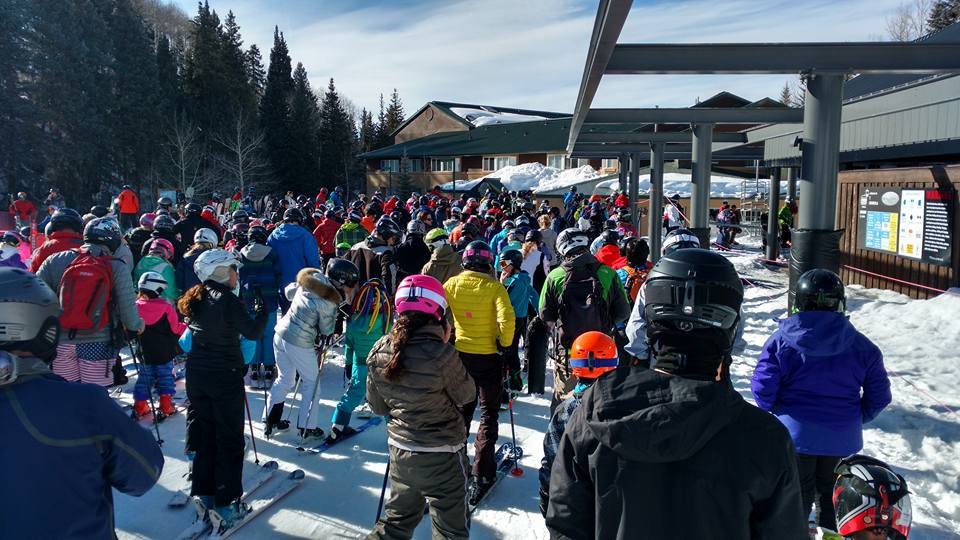
Low season is cheaper with shorter lift lines. Picture from Telluride Ski Resort, Colorado


The most expensive times are:

  • Christmas through the New Years holiday

  • President’s Day weekend

  • Spring break is a popular time. This varies by the school district. While it isn't always considered peak season, it does crowd resorts and fill-up lodging, which increases prices and lift lines.


Off-Site Lodging

Park City, Utah - About 30 miles from Salt Lake City


While it’s obvious that ski-in/ski-out accommodations are the most expensive, just being near the resort is still costly. It’s easy to spend $1,000/night for a place that is right on the slopes, or for example, you could spend 44 dollars at a Motel 6 in downtown Salt Lake City and drive the 31 miles to Park City Mountain Resort in nearby Park City, Utah.

The La Quinta Inn in Silverthorne, Colorado is within a 30-minutes drive to Breckenridge, Copper Mountain, A-Basin, Loveland, Keystone, and Vail. For less than $100/night, you can take the free bus to many of these resorts or pluck down an additional Andrew Jackson or two for parking.


There are too many examples to list here, but the point is that a 30-minute(ish) drive or bus ride can save you hundreds of dollars per night on lodging while being near affordable restaurants, pubs, bars, microbrewery, and equipment rentals.

used ski/Snowboard Gear


Public relations teams for ski and snowboard manufacturers popularize the message that becoming a better skier/snowboarder is about buying the latest equipment due to “technological progress.” However, the average rider is unable to detect the differences between a brand new $800 snowboard or a used one on eBay for a hundred dollars. The same thing goes for bindings, boots, jackets, goggles, snow pants, etc.

I average over 100 days on the “hill,” while wearing a $10 pair of used kids googles, no helmet, a $40 jacket from Goodwill, while riding a used demo board, bought at the end of a previous season for $100 cash. Few people on the mountain are out “shredding” me even though they got thousands of dollars worth of gear and equipment. Lance Armstrong says, “it’s not about the bike.” The same goes for skiing, it’s not about the skis, board, boots, or bindings as long as they work.


Jesse is the Director of Pedal Chile and lives in Valdivia, Chile. Jesse has a Master of Science in Health & Human Performance and a Bachelor of Science in Kinesiology. Hobbies: Mountain biking, bicycle commuting, snowboarding, reading, weight-lifting, taster of craft beers, & ski resort/area connoisseur


How Many Countries In South America

Image Source

Image Source


How many countries are in South America?

South America is made up of 12 countries and 3 territories, the countries include; Argentina, Bolivia, Brazil, Chile, Columbia, Ecuador, Guyana, Paraguay, Peru, Suriname, Uruguay, and Venezuela.

  • The three territories are the Falkland Islands (UK), French Guiana (France), and South Georgia and the South Sandwich Islands (UK)


The 12 Countries of South America

  1. Argentina

  2. Bolivia

  3. Brazil

  4. Chile

  5. Colombia

  6. Ecuador

  7. Guyana

  8. Paraguay

  9. Peru

  10. Suriname

  11. Uruguay

  12. Venezuela


Plus Three Territories

  1. Falkland Islands (self-governing overseas territory of the United Kingdom)

    • Also claimed by Argentina as Islas Malvinas

  2. French Guiana (overseas territory of France)

  3. South Georgia and the South Sandwich Islands (British Overseas Territory in the southern Atlantic Ocean)


Falkland Islands (United Kingdom)


Islas Malvinas to the Argentinians are 300 miles off the Argentine coast (Image Source: Wikimedia Commons)

Islas Malvinas to the Argentinians are 300 miles off the Argentine coast (Image Source: Wikimedia Commons)


The Falkland Islands, located 7,500 miles (12,068 km) from Great Britain and only 300 miles (483 km) from the Argentine coast.

Since 1833, the Falkland Islands have been under the administration of the United Kingdom, and under the rules of the United Nations, the Falkland Islands are an Overseas Territory of the United Kingdom.


The Falkland Islands - 7,500 miles from the UK (Image Source: Wikimedia Commons)

The Falkland Islands - 7,500 miles from the UK (Image Source: Wikimedia Commons)


Saunders island of the Falkland Islands

Saunders island of the Falkland Islands


French Guiana


Cayenne - The capital city of French Guiana (Image Source)

Cayenne - The capital city of French Guiana (Image Source)


According to the European Central Bank:

"French Guiana is an overseas department of France located on the northern Atlantic coast of South America. As part of France, French Guiana forms an outermost region of the EU and therefore belongs to the euro area."


French Guiana is located in the northeastern part of South America, sharing a border with Suriname on the west and Brazil on the east. Colonized in the early part of the 17th century, it became a French department in 1946.

  • 90% of French Guiana is located in the Amazon rainforest

  • Currency = The Euro (since it’s part of the European Union)

  • Population: 290,691 inhabitants (2020)


South Georgia & the South Sandwich Islands


South Georgia and the South Sandwich Islands (Image Source)

South Georgia and the South Sandwich Islands (Image Source)


South Georgia and the South Sandwich Islands have been under British administration since 1908. These islands are known for their large bird and seal populations and lie approximately 620 miles (1,000) km east of the Falkland Islands.

The CIA World Factbook describes South Georgia and the South Sandwich Islands as:

“Southern South America, islands in the South Atlantic Ocean, east of the tip of South America.”

These islands of South Georgia and the South Sandwich islands are the southernmost points of South America.

King penguins under a dramatic sky in South Georgie and the South Sandwich Islands

King penguins under a dramatic sky in South Georgie and the South Sandwich Islands


What are saddle sores

saddle sores.jpeg
 
Doctors and gynecologists will give you all the medications, but it’s so rare that one warns you to just take off your shorts faster, clean up, the basic stuff
— From the book, Saddle, Sore: Ride Comfortable, Ride Happy ‌


What Are Saddle Sores

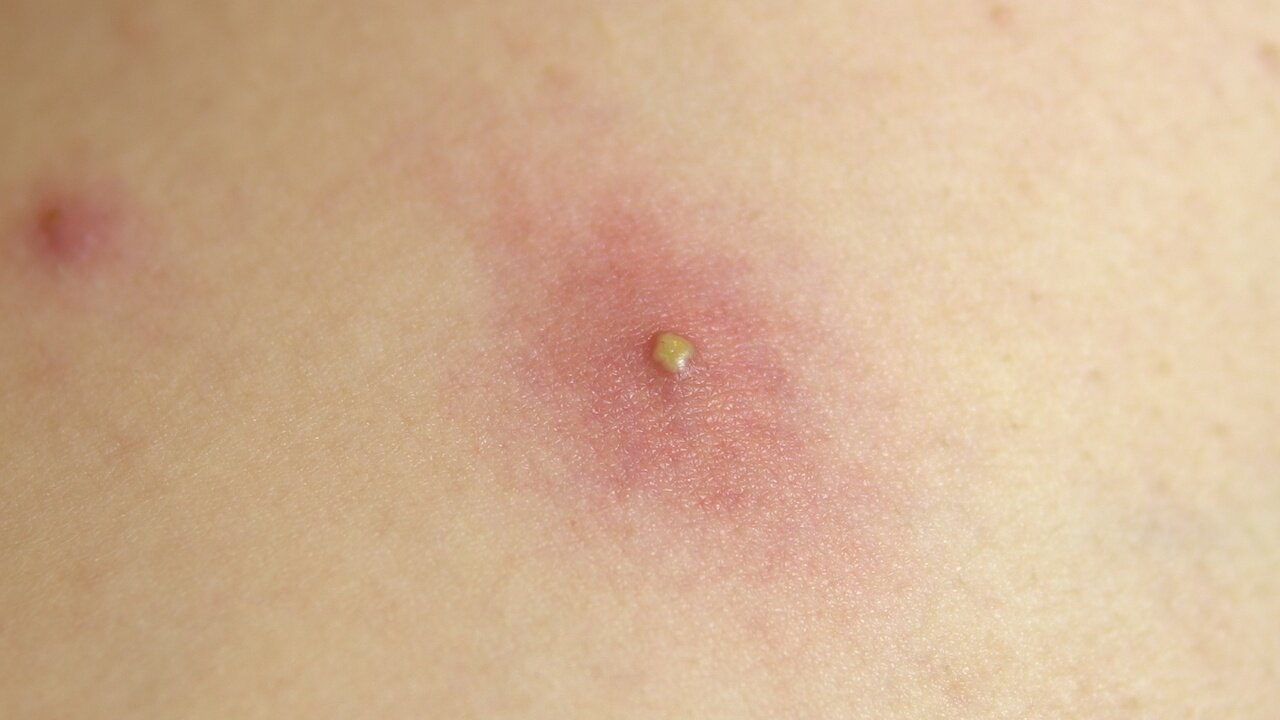
Saddle sores (skin abrasion, ulceration, and/or folliculitis) are inflammation or infection of the hair follicles. This bacteria-filled pore originates as a raised pink/red tender spot on the butt, inner thigh, and/or groin and most commonly between your genitalia and anus.

  • Saddle sores look like pimples or ingrown hairs, located in your sensitive areas that contact the bicycle seat and make sitting on your saddle very painful - thus the term ‘saddle sores.’


  • Furuncle is an infection at the base of a hair follicle.

  • Folliculitis is a boil that looks and feels like a pimple.


Saddle Sores: Causes

According to a 2020 study published in the Journal of Science and Medicine in Sport discussing saddles sores:

“These injuries are often attributed to anatomical features, as women have broader hips and thighs than men, affecting the saddle pressure distribution and increasing the risk of injury near the perineum. However, it is also influenced by the intensity and riding style which determines the pressure, sweat, and friction of the saddle area. In addition, incorrect saddle fit can result in increased compression of the perineum and neurovascular compromise.” - - - (bolding is from this author)

  • Too much saddle pressure and friction

    • Spending too much time in the seat, since saddles sores are caused by excessive pressure from your body-weight combined with rubbing.

    • Affects those cyclists that ride the most or those that have a sudden increase in mileage (i.e. training for a Century ride).

    • Heavier riders are at a greater risk.

  • Poorly fitted bicycle

    • A poor riding position can place excess weight on the saddle instead of pedals and handlebars. Ideally, about 40% of rider weight is placed on the saddle.

  • Incorrect saddle size or too soft

    • Too wide of a saddle causes chafing as your legs rub against it. Also, too soft a saddle compresses over long duration and increases both pressure and friction.

  • Substandard or dirty cycling shorts

    • Proper hygiene is critical to the prevention

    • Clean pair of cycling shorts for every ride

  • Over-training

    • Longer rides than normal or cycling at a higher intensity

  • Riding in heat and or humidity

    • The groin area is ripe for infections because of its moist environment and elevated temperature. Adding hotter temps and/or humidity to the equation only worsens it.

  • Not using chamois cream (lubrication)


Soreness happens through poor positioning, inappropriate equipment, overuse, or lack of hygiene.
— From the book, "The Cyclist’s Training Manual"


Prevention of Saddle Sores

According to the researchers from the same 2020 article in the Journal of Science and Medicine in Sport:

“All consultants reported at least three or more methods to prevent and treat saddle sores and ranked their perceived effectiveness. The most frequently identified methods aimed at preventing saddle sores were using a chamois, altering saddle position and having meticulous personal hygiene.” - - - (bolding is from this author)

butt on saddle shorts.jpeg
  1. Keeping your butt, groin, and thighs dry is the most important thing you can do.

    • Wear clean, high quality padded cycling shorts (chamois) that wick away moisture (also, do not wear underwear with your cycling shorts)

  2. Get a proper bike fit.

    • Slight adjustments (couple mm) to saddle/handlebar height or fore/aft position can make a world a difference. Is your bike set up for performance or comfort?

  3. Shower ASAP after cycling.

    • If you can’t shower, change your sweat and bacteria-soaked clothing immediately and use antiseptic wet-wipes to clean your sensitive areas before putting on fresh clothes.

  4. Shave or wax pubic hair no sooner than 24-hours before riding.

    • Waxing/shaving causes micro-abrasions in the skin making you more susceptible to saddle sores.

  5. Use chamois cream (lubrication).

    • Not every ride calls for chamois cream but this cream fights friction between your skin and shorts and is essential for extra-long or hot/humid rides.

    • READ: Should I use Chamois Cream?

Saddles that support the ischial tuberosities (sit bones) while providing contours or space for your sensitive parts help prevent saddle sores.

Saddles that support the ischial tuberosities (sit bones) while providing contours or space for your sensitive parts help prevent saddle sores.


Treatment of Saddle Sores

“An ounce of prevention is worth a pound of cure.”

These famous words by Benjamin Franklin are doubly true for saddle sores as even sitting down becomes a nightmare. Keeping an eye out for this issue is critical since the development of saddle sores begins with mild chafing and pain before extending to skin infections, ulcerations, and folliculitis if you continue to ride without proper care and treatment.

Once you have saddle sores the only cure is rest as the skin needs time to heal plus some antibiotics. If the skin around the area gets red, hot, swollen, very painful or you get a fever, then you will need to see a doctor open up the sores and drain them along with additional forms of medical professional treatments.

Recommendations for Treating Saddle Sores

  • Stop biking and other activities that cause discomfort

  • Apply antibiotic or antimicrobial creams as necessary, i.e Neosporin

  • Apply warm compresses

  • Take Epsom salt baths

  • Saddles sores usually start healing within a few days, if not, seek medical expertise to avoid infection and other complications


Other Problems From Saddle Sores

The term “saddle sore” is an all-purpose term for issues ranging from chafing, bruises, ulcerated skin, boils, and pimple-like lesions in the bodily areas that come in contact with the bicycle seat.

Even mild saddle discomfort, such as chafing, causes your body to subconsciously compensate to avoid the pain.

  • For example, a saddle sore on your left butt cheek will cause you to lean to the right and place more weight on the right buttock. This causes a host of cascading effects, such as knee problems as this rightward lean effectively makes one leg longer while simultaneously making one leg shorter, etc.

New Cyclists & Saddle Discomfort

In the book “Bicycling Magazine’s New Cyclist Handbook,” Ben Hewitt states:

“New cyclists are prone to saddle discomforts such as chafing and bruising, although they usually aren’t riding enough to run into problems with lesions. A key to dealing with general soreness is to have good riding position, plus a good seat. After that, regular riding helps to toughen the sitting area. This is often referred to as saddle time, and it’s something that every rider needs in order to get more comfortable on the bike.”

If you are new to cycling and it’s a pain in your butt, answer a few questions:

  • Are you using the same seat your bike came with?? If yes, the chances that a stock saddle is your ideal saddle are very low.

  • Are you riding with padded cycling shorts, without underwear?

  • Did you get your bike fitted for you, such as seat height, handlebar height, saddle fore/aft, cleat position, etc??

  • Are you slowly increasing your weekly mileage or riding time?


Need Professional Assistance dialing-in your bike?


about jesse.png

Jesse (Director of Pedal Chile) lives in La Patagonia of Chile. Jesse has a Master of Science in Health and Human Performance and a Bachelor of Science in Kinesiology. Hobbies: Riding singletrack, snowboarding, reading, researching, coaching, and writing.


Sources & References

  1. Andrews, Guy, and Simon Doughty. The Cyclist’s Training Manual: Fitness and Skills for Every RiderAmazon, 1st edition ed., Bloomsbury Sport, 30 June 2013.

  2. Baker, Arnie. Bicycling Medicine : Cycling Health, Fitness & Injury Explained : For Riders & Racers of All Levels. San Diego, Ca, Argo Pub, 1995.

  3. Bury, Keira, et al. “Prevalence, Prevention and Treatment of Saddle Sores among Female Competitive Cyclists: A Scoping Review Protocol.” Methods and Protocols, vol. 3, no. 1, 6 Jan. 2020, p. 4, 10.3390/mps3010004.

  4. Hewitt, Ben. Bicycling Magazine’s New Cyclist Handbook : Ride with Confidence and Avoid Common Pitfalls. Emmaus, Pa., Rodale, 2005.

  5. Hurford, Molly. Saddle, Sore : Ride Comfortable, Ride Happy. New Jersey?, Molly Hurford, 2016.

  6. Miller, Michael, and David Berry. Back in the Saddle Again: How to Prevent Cycling Saddle Sores. Western Michigan University, 2007.

  7. Norman, Mackenzie, and Kenneth Vitale. “‘Bumpy’ Ride for the Female Cyclist: A Rare Case of Perineal Nodular Induration, the Ischial Hygroma.” International Journal of Surgery Case Reports, vol. 73, 2020, pp. 277–280.

  8. Rabin, Matt, and Robert Hicks. The Pain-Free Cyclist : Conquer Injury & Find Your Cycling Nirvana. London, Bloomsbury, 2015.

Why are bike fittings expensive

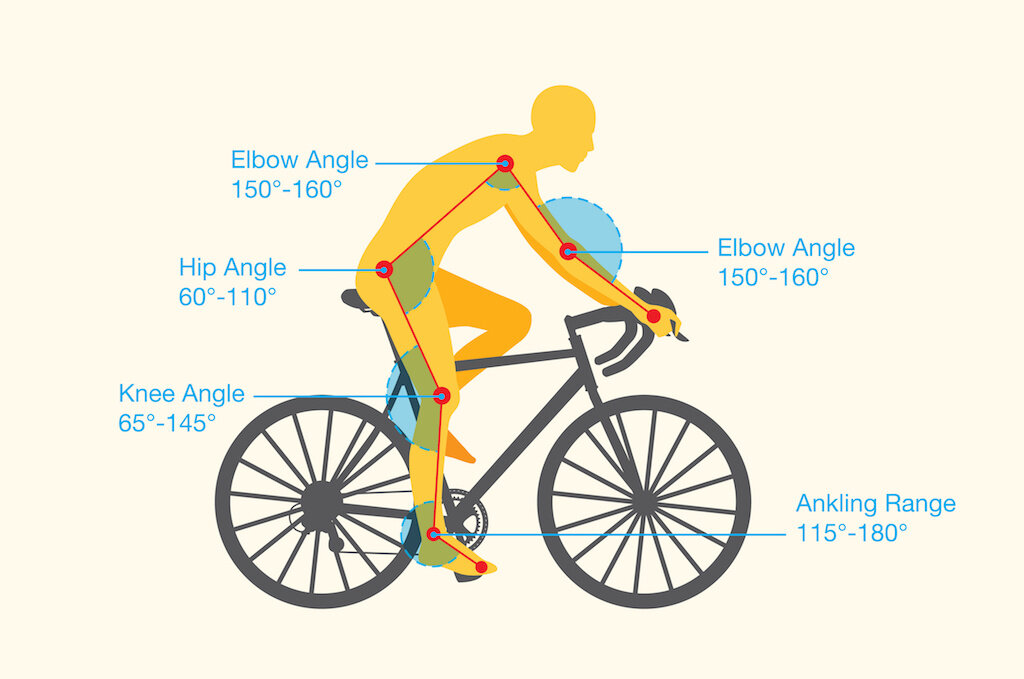
bike terminology .jpg

Image Source: Wadsworth, David J S, and Patrick Weinrauch. “THE ROLE of a BIKE FIT in CYCLISTS with HIP PAIN. A CLINICAL COMMENTARY.” International journal of sports physical therapy vol. 14,3 (2019): 468-486.

According to a 2018 study from Ghent University in Belgium:

“During bike fitting sessions, the optimal cyclist’ position is determined. Finding this optimal cycling position is often a time-consuming and labor-intensive process, i.e., a standard bike fitting procedure takes at least two hours when done by an expert bike fitter.”

Bike-Fitting Expertise

Any competent Professional Bike-Fitter has advanced university degrees, certifications, along with experience and education in kinesiology, human anatomy, exercise science, bicycle geometry, and cycling science.   

Understanding people’s flexibility limitations and the ability to solve issues related to pain and discomfort, while simultaneously adjusting for performance improvements takes expertise in medical disciplines as well and biomechanics and sports sciences.

Just like any profession that combines rigorous academic studies with specialized skills, a pro bike fitter is a paid professional whose pay is commensurate with their unique skills. If not, then this should be cause for pause as you should question their qualifications and expertise.

Cost of Equipment

Bike Fit with Grenville Cycling Center Jim Cunningham (Image Source: Glory Cycles via Flickr)

Bike Fit with Grenville Cycling Center Jim Cunningham (Image Source: Glory Cycles via Flickr)


While a static bike-fitting doesn’t use costly equipment, a 3D motion analysis or dynamic fitting uses the latest computational technology that costs around $20,000 (USD) just for the initial setup. Office space, licensing fees, continued training, and the fact that it’s a 1-on-1 service, means that a “cheap” bike-fitting starts at around $200.

Retul Fit at Greenville Cycling Center (Image Source: Glory Cycles via Flickr)

Retul Fit at Greenville Cycling Center (Image Source: Glory Cycles via Flickr)


3D vs Static Bike-Fit

Studies of saddle height on performance started in the 1930s, and in 1968, the Italian Olympic Committee published the first BikeFit manual, simply known as CONI. These were all static adjustments, which means the cyclist was stationary while measurements and adjustments to the bike were being made.

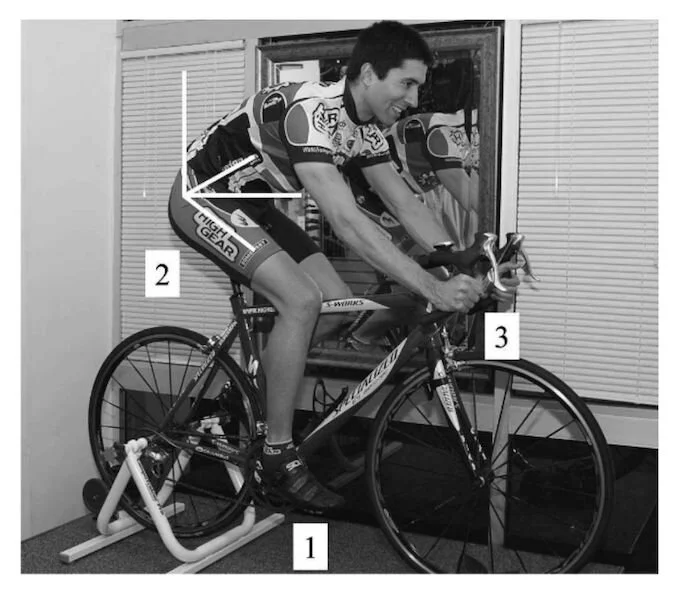
The 3 contact areas addressed in a bikefit in order. (Image Source: Silberman et al.)

The 3 contact areas addressed in a bikefit in order. (Image Source: Silberman et al.)


In the last decade, 3D camera systems have become the standard for elite cyclists and their bike fitters, mechanics, and coaches. These high-speed 3D cameras allow adjustments while the cyclist is riding. This shows in real-time how slight adjustments to the bike affect the rider and provides real-time cycling data and pedal efficiency.

Is a 3D motion bike-fit better?

Sitting on the saddle, moving the pedals, and holding the handlebars hasn’t changed in over 100 years. While 3D bike fittings provide more data, understanding what to do with that data takes an expert with years of experience.
For the average cyclist who has never had a bike fit, a static fitting is more than adequate. Even for advanced riders, competent professional bike-fitters will optimize your riding position, regardless if its static or dynamic.

Depending on the services offered, 3D motion bike fittings can cost over $1,000. For elite cyclists this is standard protocol just to keep pace with the competition. For those that are serious rider, your budget will likely determine which services are best for you.

Why get a bike fit?

  • Do you experience pain in your butt, hands, back, neck, or feet??

    • Increase your level of comfort and reduce overuse injuries

  • Do you want to ride faster??

    • Improve power output pedal efficiency

  • Cornering and overall bike handling need improvement?

    • Optimize riding position, which will properly balance your weight on the bike, improving turning and performance

  • Don’t understand how your bike settings affect your body, riding style, comfort, or performance?

Image Source: Scoz RD, Amorim CF, Espindola T, et al. Discomfort, pain and fatigue levels of 160 cyclists after a kinematic bike-fitting method: an experimental study BMJ Open Sport & Exercise Medicine 2021;7:e001096. doi: 10.1136/bmjsem-2021-001096

Image Source: Scoz RD, Amorim CF, Espindola T, et al. Discomfort, pain and fatigue levels of 160 cyclists after a kinematic bike-fitting method: an experimental study BMJ Open Sport & Exercise Medicine 2021;7:e001096. doi: 10.1136/bmjsem-2021-001096

Final Thoughts

Having the latest and greatest bike doesn’t mean much if you don’t know how to have it set up to take full advantage. A proper bike fit from an expert allows you to find your optimal position, whether that be to go faster, further, or to just have more fun while being comfortable.

Just keep in mind that with most things in life, you get what you pay for. A free bikefit from the kid at your local bike shop who doesn’t know the difference between your ischial tuberosities, greater trochanter, and lateral malleolus might do more harm than good.


Interested in a bike fitting but want to save some money??


about jesse.png

Jesse is the Director of Pedal Chile and lives in La Patagonia. Jesse has a Master of Science in Health and Human Performance and a Bachelor of Science in Kinesiology. Hobbies: Mountain biking, bicycle commuting, reading, snowboarding, researching, and sampling yummy craft beers.


Related article from Pedal Chile

Sources & References

Braeckevelt, Jarich & Verstockt, Steven & Witvrouw​, Erik & Mertens​, Pieter. (2018). Data Driven Bike Fitting.

Burt, Phil. Bike Fit : Optimise Your Bike Position for High Performance and Injury Avoidance. London, Bloomsbury, 2014.

Scoz, Robson Dias, et al. “Discomfort, Pain and Fatigue Levels of 160 Cyclists after a Kinematic Bike-Fitting Method: An Experimental Study.” BMJ Open Sport & Exercise Medicine, vol. 7, no. 3, 1 Aug. 2021, p. e001096, bmjopensem.bmj.com/content/7/3/e001096.full, 10.1136/bmjsem-2021-001096.

Silberman, Marc R, et al. “Road Bicycle Fit.” Clinical Journal of Sport Medicine, vol. 15, no. 4, July 2005, pp. 271–276, 10.1097/01.jsm.0000171255.70156.da.

Wadsworth, David J S, and Patrick Weinrauch. “THE ROLE of a BIKE FIT in CYCLISTS with HIP PAIN. A CLINICAL COMMENTARY.” International journal of sports physical therapy vol. 14,3 (2019): 468-486. doi:10.26603/ijspt20190468

Grease vs Lube & Bike Parts/Components

oil and grease.jpeg

There are two main types of lubricants:

  • Oils

    • A liquid that cannot mix with water and creates a sliding film between two moving surfaces

  • Greases

    • An oil with thickening additives

Grease: A sponge full of oil

Grease is a thickened oil. The thickener within a grease acts like a sponge by holding the base oils and additives together. Since grease is a “sponge” it will collect dirt. A greased chain will collect dirt and gum up very quickly, which is why moving parts use oil as opposed to grease.

Lubricants: Oils & Greases

Both oils and greases are lubricants, which reduce friction on moving parts and form a seal or barrier to protect components against water, corrosion and between different metals.


Drivetrain: Oil

lubing chain.jpeg

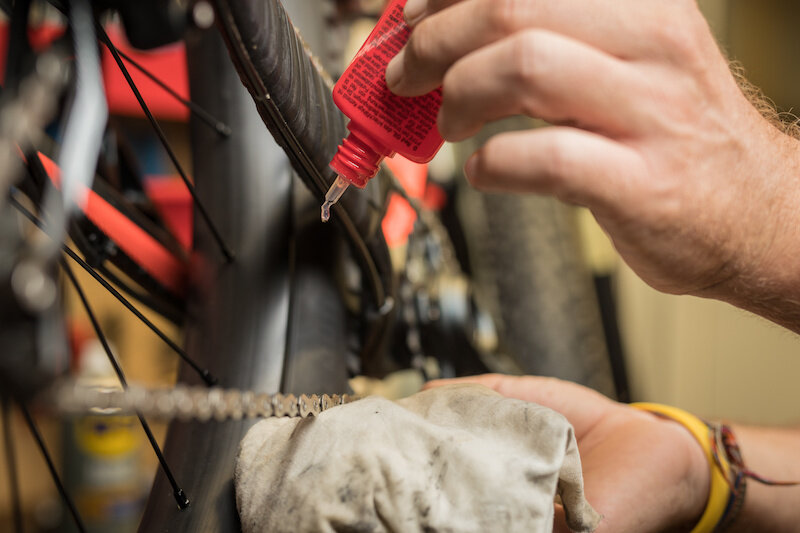
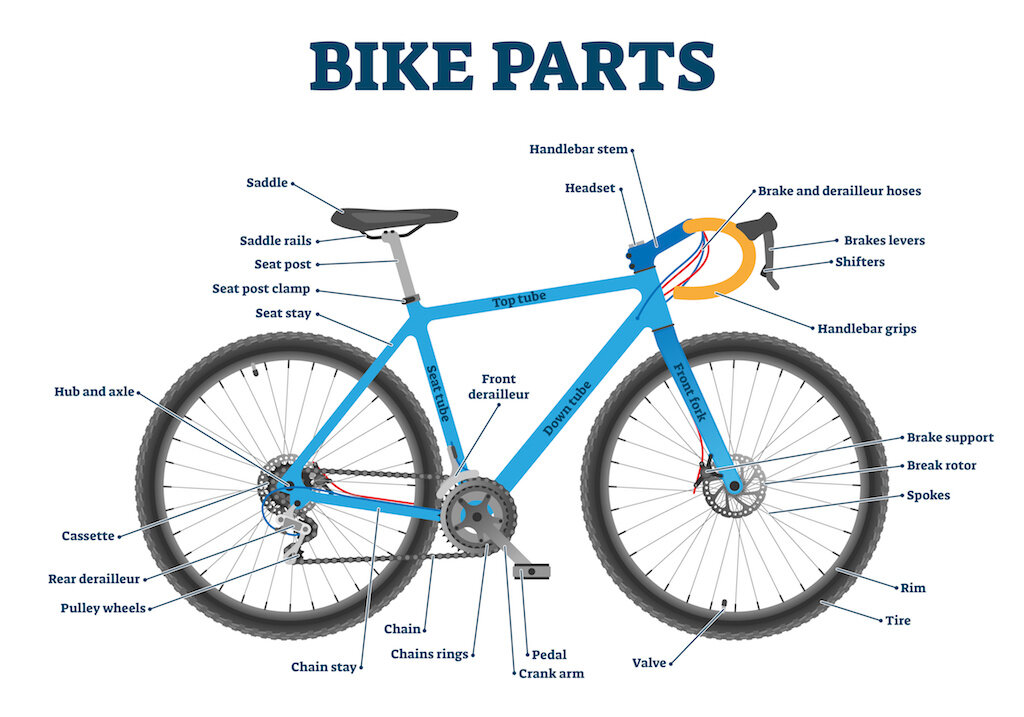
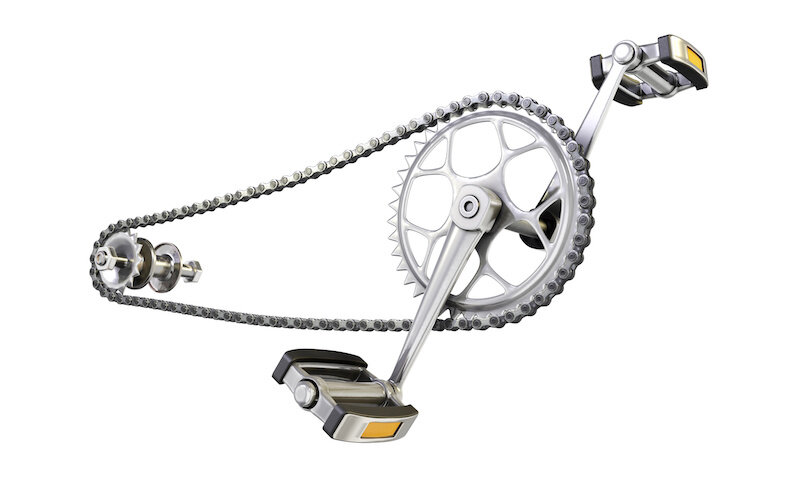
The bicycle’s drivetrain are the most heavily used components and requires an oil lubricant. The chain is low to the ground and exposed to all the elements of weather and dirt, as are the jockey wheels, derailleur, and cogs.

Derailleurs: Oil

Derailleurs.jpg

The derailleurs only has a few working parts. Keeping this unit clean, is very important, as the derailleur is one of the most problematic components.

Grit and dirt make their way into the bearings, which then act as sandpaper onto the mechanism, causing wear, which results in poor shifting. After cleaning, oil the derailleur pivots, cage pivot(s), and pulley centers and wipe off the excess oil.

Cables: Oil

bicycle cables and brakes.jpg

Un-lubricated cables don’t glide through cable housing as smoothly, which negatively affects braking and shifting while also being susceptible to rusting by causing cable drag. If you are using a wet chain lubricant, such as Pedaling Science’s All-Weather lube, you can use the same oil for your cables.


Brake Levers

brake levers bike.jpg

Brake levers, like any other moving part, can benefit from a little oil. If these components go dry then the friction will damage the cable, lever, or both.


bike parts graphic.jpeg

Shifters

These are sensitive components, but they still benefit from a very light oil or a dry lubricant.

Threadlocker & Antiseize


Threadlocking Compounds

Threadlock is an adhesive compound that stops threads and press-fittings from loosening.

Anti-Seize Compounds

Anti-seize compounds are made of ground metals and combined with lubricants, NOT making them appropriate for moving parts, such as bearings or bottom bracket bearings. 

  • These solutions are used to protect from corrosion and reduce friction on non-moving components, such as seatposts, bottom bracket cups, pedal threads, and press-fit components.


about jesse.png

Jesse (Director of Pedal Chile) lives in La Patagonia of Chile. Jesse has a Master of Science in Health and Human Performance and a Bachelor of Science in Kinesiology. Hobbies: Riding singletrack, snowboarding, reading, and researching.


Sources & References

  • C Calvin Jones. Big Blue Book of Bicycle Repair : A Do-It-Yourself Bicycle Repair Guide from Park Tool. Saint Paul, Mn, Park Tool Co, 2019.

  • Davis, Mike, and Guy Andrews. Complete Mountain Bike MaintenanceGoogle Books, A&C Black, 12 June 2014.

  • Downs, Todd. The Bicycling Guide to Complete Bicycle Maintenance & Repair for Road & Mountain Bikes. Emmaus, Pa., Rodale, 2010.

  • Sidwells, Chris. Bicycle Repair Manual. New York, New York, Dk Publishing, 2021.

Feet Slipping Off Bike Pedals?

Platform or flat pedals - No special shoes required

Platform or flat pedals - No special shoes required


Platform Transfer Pedals or flats are the most basic pedal type and as the name suggests, platform pedals provide a large, flat area for regular shoes. Flats are the stock pedal type for most bicycles.

Flat pedals provide a platform for normal shoes, however, cycle or mountain bike-specific shoes have soft and grippy soles, which stay better connected to the pedals while having a stiffer body for improved pedaling efficiency and power transfer.

1) Upgrade Your Pedals

The image on the left is a platform pedal that comes standard with many MTB bikes, whereas the pedal on the right is an upgraded one. If you are slipping off your pedals, upgrading to a bigger, knobbier, toothier, and pinned pedal provides more stability, contact area, friction, and tackiness.

This will do wonders for your power and control while keeping your feet connected to your bike.


Reasons why your feet are slipping off the pedals

  • Pedals are too small. Cheap, plastic, standard platform pedals are small. Look for flat pedals at least 2.5 x 3.5 inches.

  • Your stock pedals are not ‘sticky’ enough. Cheap rubber or plastic pedals are not optimally grippy since they have minimal teeth, studs, and traction lugs.

  • Your pedals are dirty. This is especially relevant if you are a mountain biker. Mud, dirt, and grime reduce the stickiness of the pedal and reduces the contract area.

This stock pedal doesn’t provide much traction

This stock pedal doesn’t provide much traction


If your feet are routinely slipping and you are still riding the pedals your bike came with, then the first thing to do is replace those pedals with a larger, pinned flat pedal. Go to your local bike shop and find a pair that is the right size and level of aggressiveness for your riding style.

2) Bike Specific Shoes

5 10 shoes.jpeg

Years ago, the best shoes for mountain biking were skateboarding shoes. Nowadays, several manufactures, such as Five Ten, Teva, Giro, Ride, and Specialized produce non-clipless MTB and cycle-specific shoes for platform pedals.

  • These shoes are made with specially formulated rubber compounds that make the soles ultra-soft which ‘sticks’ the cyclist’s foot to the pedal.

  • The soles of these shoes have a huge flat bottom and the tread pattern is designed to optimize the connection of the traction lugs with the grip pattern.

Athletic Shoes & Cycling

Athletic sneakers are designed for comfort and enhancing running-related tasks, such as jumping, agility/maneuverability, sprinting, stopping, and reducing impact forces. These shoes optimize for ground and rotational traction between the outsole and surface for running-related sports.

  • Basketball, tennis, running, and general athletic shoes with hard or knobby soles do NOT grip the pedals as they are designed for grass, mud, and hardwood floor surfaces.

  • Athletic shoes, especially running shoes are very flexible, making them inefficient for pedaling, especially climbing.

If you already upgraded your platform pedals and are still slipping, then it’s time to look at a nice pair of flatties, whose soft and sticky rubber soles allows pins and traction lugs to sink into it, sticking the shoe to the pedal.

Comfort & Athletic Shoes 

Keep in mind that athletic sneakers are comfy, lightweight, provide great ventilation, and are great for walking and jogging. Both clipless and non-clipless bicycle-specific shoes are stiff, hard to walk in, and don’t provide the same level of comfort as your favorite pair of kicks. As with anything else in life, there are always trade-offs.

3) Riding Technique

Replacing the stock plastic pedal is a good first step.

Replacing the stock plastic pedal is a good first step.


  • Incorrect saddle height

  • Wrong gear for the terrain

  • Pedaling really fast or hard (like racing up a hill)

Clipless Pedals

clipless pedals and slipping.jpeg

In the early days of racing, all bikes had fixed gears, which meant no freewheel and thus no coasting (the freewheel was introduced in the early 20th-century).

Even today, ‘fixies’ have a single gear and no brakes. The only way to speed up, slow down, or stop is by changing your pedaling rate or pushing back against the pedals. Since the pedals are always spinning, if a foot comes off, it is dangerous and difficult to get your feet back on, unless you have toe clips or clipless pedals.

  • For performance riding, XC-MTB, or road cycling, clipless pedals improve control and safety by not allowing your feet to slip off the pedals since your shoes are connected to the pedals.

  • Your feet cannot slip when fast pedaling, jumping a log or curb, pumping up a steep hill, or descending a loose and bumping dirt path/road.


The Main Benefit of Clipless

The primary benefit of clipless is you don’t have to worry about what your feet are doing or slipping off the pedals. The performance benefits and pedaling technique improvements are greatly exaggerated.

  • READ: Do Clipless Pedals really make a difference?


Final Thought

A good platform pedal combined with a flat, sticky bike-specific shoe can rival that of clip-in pedals for grip, control, and power transfer.


Is your bike dialed-in??

Bike Fitting - Not just for road cyclists. Learn More


about jesse.png

Jesse is the Director of Pedal Chile and lives in La Patagonia. Jesse has a Master of Science in Health and Human Performance and is an avid MTBer. Jesse enjoys reading books, particularly non-fiction and academic studies. Favorite MTB trail? The singletrack on the active volcano in Chile.


Sources & References

  • FitzGibbon, S., Vicenzino, B., & Sisto, S. A. (2016). INTERVENTION AT THE FOOT-SHOE-PEDAL INTERFACE IN COMPETITIVE CYCLISTS. International journal of sports physical therapy, 11(4), 637–650.

  • Stępniewski, A.A., and J. Grudziński. “The Analysis of Pedaling Techniques with Platform Pedals.” International Journal of Applied Mechanics and Engineering, vol. 19, no. 3, 1 Aug. 2014, pp. 633–642, 10.2478/ijame-2014-0044.

Cheapest Road Bike Upgrade

Eddy Merckx cap.jpg
Don’t buy upgrades, ride up grades”
— Eddy Merckx

On 1 July 1903, Henri Desgranges organized a publicity stunt aimed at selling more newspapers. This event was to be the most grueling endurance race in the world and featured 60 “working class” riders competing in a competition simply known as “The Tour” or The Tour de France (TdF).

Eddy Merckx averaged 23.7 mph (38.1kph) during his 1971 TdF victory while riding a 21.1-lb (9.6kg) steel frame bike, without clipless pedals (they wouldn’t be invented for another 13 years). In 2004, Lance Armstrong averaged 25.1 mph (40.5 kph), all while riding a 14.99-lb (6.8kg) carbon fiber bicycle, clipless pedals, Dura-Ace STI shifting system, and of course, the full-power of performance-enhancing drugs (PEDS).

So what’s the point?

In Lance Armstrong’s own words, “It’s not about the bike.” Tim Declercq, who finished the 2021 Tour de France in 141st place averaged 23.7 mph, the exact same speed as Eddy Merckx, 50 years prior.

Trek 5500 bicycle used by Lance Armstrong in the 2000 Tour de France (Image Source: Smithsonian).

Trek 5500 bicycle used by Lance Armstrong in the 2000 Tour de France (Image Source: Smithsonian).


Professional Bike Fitting

bike fit info graphic.jpeg

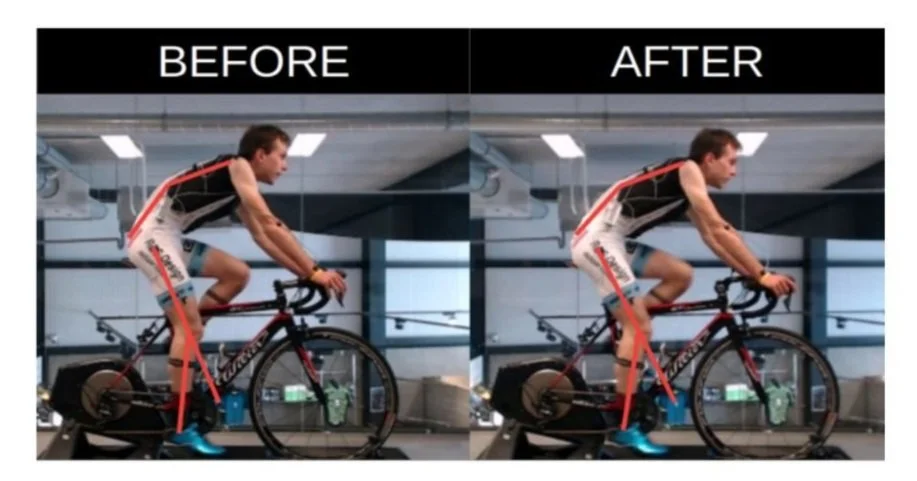
Bike Fitting is the process of making adjustments to the bike until your optimal riding position is reached. A bike fit is a compromise between comfort, performance, and injury prevention. Trying to adapt your body to your bike vs adjusting your bike’s settings (saddle height, seat tilt, setback, handlebar height, reach, etc.) to your unique body not only makes you faster but also makes riding more comfortable and reduces over-use injuries.

  • A pro cyclist will adjust their bike for performance and speed, whereas a recreational commuter will set up theirs for comfort.


How do I know if I need a bike fitting?

If you can reach the ground flat-footed while seated then it’s time for a proper bike-fitting

If you can reach the ground flat-footed while seated then it’s time for a proper bike-fitting


  • Painful knees?

  • Pain in your back?

  • Butt or saddle discomfort?

  • Your out-of-shape riding buddies are faster than you?

    • Just riding with your saddle a couple of inches too low can reduce your pedal power by 80%

  • You’re a regular rider but have not gotten much faster?

  • Pain in hands?

  • Neck hurting?

  • Hot spots in your feet?

  • Slow cornering (due to improper weight distribution)??

How your bike is adjusted (bikefit) affects how your bicycle performs and where your weight is distributed, which affects braking, turning, handling, and pedaling power/efficiency. 3D dynamic BikeFittings are expensive, but no worries, we offer a DIY Professional Bike Fitting for only $37, or stop in your local bike shop for instruction.


Total distance covered and average speed of the winners of the Tour de France (1903–2011). Interruptions are the 2 periods of noncelebration due to World Wars I and II (1915–1918 and 1940–1946). The fastest wins of the Tour de France’s great dominators (≥5 victories) are also shown: cyclist’s name, year (speed in km/h).

Image Source & Quote: Santalla, Alfredo, et al. “The Tour de France: An Updated Physiological Review.” International Journal of Sports Physiology and Performance, vol. 7, no. 3, Sept. 2012, pp. 200–209.


Chain Lubricant

Think this chain needs some lube??  (Image Source: Flickr)

Think this chain needs some lube?? (Image Source: Flickr)


Roller chains in laboratory settings are 97 to 99% efficient. However, in the real world, bike chains are exposed to all the elements, debris, bad weather, and dirty roads, which is why in reality, they don’t even operate at 75% efficiency. A superior chain lubricant will add 10 - 20+ watts of power due to insanely low coefficients of friction and an ability to suspend dirt particles away from the drive-train components. 

You can spend hundreds of dollars just to shave off a couple of ounces, or you could just spend $27 to get the World’s fastest wet lube and let your chain operate optimally and defy Mother Nature’s wishes. 

  • Chain lubricant doesn’t do much good if you are just applying lube to a dirty chain. A clean machine is a fast and reliable machine. Nothing wears down bike components and reduces performance as much as a dirty bike. A dirty chain wears down the cogs making shifting more difficult, which wears down even more components.


Weigh Less: Power-To-Weight Ratio


Models of cycling performance have suggested that a 1 kg increase in BW can increase cycling time up a 5% grade by∼1%”
— European Journal of Sport Science


Chris Fromme, 4 time Tour de France (TdF) winner, weighed 167 lbs (76kg) when he turned pro at 22, the following year he finished the TdF in 84th place.

Fromme started winning Tours after dropping 22 pounds, riding at 145-lbs (66 kilos), and subsequently increased his power/weight ratio by 10%, allowing him to attack hills with unmatched power. Fromme also is no shorty, standing 6 feet 1 (1.86m) nor was overweight at 167lbs, but nothing improves performance as much as increasing your power-to-weight ratio, and losing weight is the fastest path to it.


Tour De France Photo. Date: circa 1930

Tour De France Photo. Date: circa 1930


Weight loss is the best upgrade for both roadies and XC-MTB riders, regardless of budget. You could spend $10,000 on the latest carbon fiber bicycle, just to save a pound or two, or you can drop 10 pounds, save money, ride faster and further simply by eating less or better.

Bicycle manufacturers and marketers will try to convince you that rotational or wheel weight is somehow more important than total rider weight (including rider and gear), however, it doesn’t matter where the weight comes from. While it’s true that lighter wheels accelerate faster, they also slow down faster. The only way that energy is lost is when you brake.

Haakonssen et al. in a 2015 study published in the European Journal of Sports Science, said this about cycling performance and body weight:

By reducing non-functional mass and optimizing functional lean muscle and thus power output in relative terms, cyclists have the potential to improve their performance.


Total Bicycle Weight & Bodyweight

Total Bicycle Weight = rider (you) + gear + emergency parts/tools + snacks + water + cell phone + keys + the bike. All matter equally. For 99% of cyclists, the cheapest and most effective way to reduce Total Bicycle Weight is for you, the cyclist, to lose excess fat. The most dominant factor in Chris Fromme’s ascendance from elite cyclist to legend is best summed up by one number, -22lbs (10kg).

Final Thoughts

Eddy Merckx rode a 1971 Colnago Molteni on his way to his Tour de France victory that same year. This 21-lb bike predates clipless pedals, wind tunnel testing, aero apparel/components, carbon fiber, modern sports nutrition, and 21-century training techniques, yet even in 2021, he would still be fast enough to compete with the best.

There is a 100% chance that whatever bike you have now is way better than that 1971 Colnago Molteni from half a century ago. It’s not about the bike or the upgrades. Get yours dialed in through a proper bike fitting, keep it clean and optimally lubed, and go out there and ride.


about jesse.png

Jesse is the Director of Pedal Chile and lives in La Patagonia. Jesse has a Master of Science in Health and Human Performance and is an avid MTBer. Jesse enjoys reading books, particularly non-fiction and academic studies. Favorite MTB trail? The singletrack on the active volcano in Chile.


Sources & References

  1. Haakonssen, Eric C., et al. “Body Composition of Female Road and Track Endurance Cyclists: Normative Values and Typical Changes.” European Journal of Sport Science, vol. 16, no. 6, 14 Sept. 2015, pp. 645–653, 10.1080/17461391.2015.1084538.

  2. Lucia, Alejandro, et al. “The Tour de France: A Physiological Review.” Scandinavian Journal of Medicine & Science in Sports, vol. 13, no. 5, 26 Sept. 2003, pp. 275–283.

  3. National Museum of American History. “Trek 5500 Bicycle Used by Lance Armstrong in the 2000 Tour de France.” Smithsonian Institution, www.si.edu/object/trek-5500-bicycle-used-lance-armstrong-2000-tour-de-france:nmah_1294955.

  4. ‌Santalla, Alfredo, et al. “The Tour de France: An Updated Physiological Review.” International Journal of Sports Physiology and Performance, vol. 7, no. 3, Sept. 2012, pp. 200–209, 10.1123/ijspp.7.3.200.

  5. Scoz, Robson Dias, et al. “Discomfort, Pain and Fatigue Levels of 160 Cyclists after a Kinematic Bike-Fitting Method: An Experimental Study.” BMJ Open Sport & Exercise Medicine, vol. 7, no. 3, 1 Aug. 2021, p. e001096.

Excess Coffee Consumption

Caffeine produces the same behavioral effects as classical psychostimulants, such as cocaine and amphetamine.
— Journal of Neurochemistry

Your morning cup of coffee boosts your mood, increases focus and alertness. Coffee in moderation is beneficial and essential for our modern lifestyle. However, one-third of Americans drink too much caffeine, and like abuse of any substance, too much (>400 mg) causes negative side effects and behavior changes.

Signs of too much coffee/caffeine

  • Anxiety

  • Obsessive-compulsive disorder (OCD)

  • Headaches

  • Heartburn

  • Irritable bowel syndrome (IBS)

  • Back pain

  • Insomnia

  • Irritability


How much coffee is too much?

The United States Food and Drug Administration (FDA) states:

“For healthy adults, the FDA has cited 400 milligrams a day—that's about four or five cups of coffee—as an amount not generally associated with dangerous, negative effects.”


Keep in mind that cups of coffee vary dramatically in their caffeine content.

  • For example, a 20-oz cup of Starbucks coffee has 410-mg of caffeine, 2.5% higher than the FDA’s total daily caffeine recommendation.


Also, it should be noted that the majority of studies researching the effects of caffeine & coffee rarely exceed 300 milligrams, or 100 mg less than the FDA’s recommendation.

  • For caffeine-sensitive coffee drinkers, even 250-mg would be considered excessive. One 12-oz cup of Starbucks coffee has 260-mg, for example.


Caffeine Per 16-ounces of Coffee

PedalChile.Com

Caffeine-Induced Anxiety

Caffeine-induced anxiety disorder is a medical condition where high amounts of caffeine cause severe anxiety. This has been known for at least 150 years but is largely unreported. 

Studies have shown that caffeine intake of only 150 milligrams increases anxiety and can induce panic attacks in caffeine-sensitive people and 450mg in normal populations. Caffeine-induced anxiety can mimic disorders, such as bipolar, general anxiety, schizophrenia, and obsessive-compulsive disorder (OCD).

If you are a heavy coffee drinker and experience any form of general anxiety, reducing or eliminating caffeine is a good first step.

Coffee & Headaches

headache.jpg
 
Caffeine has been linked with migraine for many years, on the one hand as a trigger, and on the other as a cure.
— From (Nowaczewska et al.)


Regular consumption of coffee/caffeine leads to physical dependence, with at least 30% of Americans meeting DSM-IV criteria for caffeine addiction and caffeine-dependence syndrome. A caffeine-withdrawal headache is a cardinal symptom where you drink more coffee in order to avoid getting a headache or migraine.

  • Caffeine-induced headache has been recognized for more than a decade as the major cause of chronic daily or almost daily headaches in adults.

How does coffee cause headaches?

  • Caffeine induces urinary loss of magnesium. Magnesium affects neuromuscular conduction and nerve transmission and plays a beneficial role in chronic pain conditions and migraines

  • Excessive coffee consumption leads to acute diuretic effects and a “dehydration headache”

  • Caffeine withdrawal. Weekend headaches are common as you sleep in and delay your weekday caffeine intake schedule or drink less coffee during the day due to unforeseen coffee abstinence


Coffee & Heartburn

Gastroesophageal reflux (GERD) is synonymously known as acid reflux or heartburn. There are many cofactors to GERD, such as over-eating, obesity, greasy food, and lying down after eating, however, there is also a coffee connection. 

Drinking too much coffee temporarily weakens (relaxes) the lower esophageal sphincter, which increases the risk of GERD. If you suffer from heartburn and consume copious amounts of coffee, you should consider reducing your intake. 

A 2020 review paper, published in Critical Comments in Biomedicine (CCB) reviewed 85 studies and concluded:

“It was shown that to higher intakes of caffeinated drinks, fruit juice, milk, soft drinks and carbonated beverages are associated with aggravating symptoms in GERD, IBS and FD.”

The researchers also noted:

“Generally, coffee was identified as being the most frequently reported to cause symptoms in people with IBS and to manage these symptoms, the NICE (the National Institute for Health and Care Excellence) guideline proposes limiting the intake of high sources of caffeine such as coffee and tea, and subjects with IBS should not consume more than three cups of tea or coffee per day or 400 mg caffeine.”

IBS, GERD, & Coffee: Bottom Line

If you consume coffee and other caffeinated beverages and suffer from heartburn, IBS, or general gastrointestinal disorders, reducing caffeine intake below 400mg is recommended. For those that are caffeine sensitive, you might need to reduce caffeine consumption to under 250mg.

Caffeine & Back Pain


Particularly interesting results of our studies concern the effect of excessive caffeine consumption on recurrent low back pain. Drinking of ≥6 cups of coffee a day increased the chance for the development of recurrent nonspecific low back pain by over 16 times versus respondents who did not consume excessive amounts of caffeine
— BioMed Research International


After headaches, nonspecific low back pain is the most common pain reported. Chronic low back pain is multi-factorial; sedentary lifestyle, prolonged sitting, obesity, postural stress, cigarette smoking, and excessive coffee consumption are all factors in back pain.

Caffeine’s Role In Back Pain

Excessive caffeine disrupts calcium flow by altering calcium ions from the sarcoplasmic reticulum. This causes slow-twitch muscles, like the postural muscles of your low back to fatigue more quickly. Additionally, caffeine increases the release of catecholamines, such as epinephrine, which sensitize muscle nerve endings, increasing the perception of pain.

Coffee Amount & Back Pain

Less than 400mg of daily caffeine can cause back pain. One large (venti) Starbucks coffee alone has 410mg, equal to 6, 6-oz cups of coffee.


Insomnia


The most prominent effects of caffeine on sleep are prolonged sleep latency, shorter total sleep time, increases in light sleep, and decreases in deep sleep.
— Methylxanthines (Handbook of Experimental Pharmacology, 200)

 
Image Source: O'Callaghan, Frances et al. “Effects of caffeine on sleep quality and daytime functioning.” Risk management and healthcare policy vol. 11 263-271. 7 Dec. 2018.

Image Source: O'Callaghan, Frances et al. “Effects of caffeine on sleep quality and daytime functioning.” Risk management and healthcare policy vol. 11 263-271. 7 Dec. 2018.


Caffeine, particularly in the form of coffee, is an adenosine receptor antagonist. Caffeine promotes wakefulness by blocking the sleep-promoting effects of adenosine. Drinking coffee negatively affects sleep latency, sleep duration, and sleep efficiency, and the relative time spent in deep sleep.

Without caffeine, adenosine concentration levels naturally increase during the day, and once they reach a certain point, they become drowsy. Caffeine blocks adenosine receptors, which makes you feel alert, but prolongs the feeling of drowsiness and leads to restlessness.

Coffee & Sleep


Depending on your level of caffeine sensitivity, as little as 60mg, or less than 3-oz of Starbucks coffee, can cause you to lose sleep. A standard small cup of coffee has about 100mg of caffeine, with many large specialty roasts having over 400mg. If you have trouble falling asleep, eliminating that afternoon cup of Joe and reducing total caffeine intake is a good first step.

Studies show that 200mg of caffeine, the equivalent of two small cups of coffee, first thing in the morning, reduced sleep efficiency by 3% in moderate coffee drinkers. For those consuming 4 or more cups of coffee (>400mg caffeine) regularly, insomnia or reduced stage-4 sleep are typical. A few bad nights of sleep result in more coffee consumed, creating a loop of caffeine dependence.


Irritability

Caffeine intoxication is called caffeinism. Mood swings and irritability are classic side effects of excess coffee consumption or caffeinism. Drinking two 12-oz cups of drip coffee or 300mg is about the top-end of the safe zone. Four or more standard cups of coffee or one large Starbucks (>400mg) is enough to cause irritability and mood swings.

Just like with alcohol, coffee has an intoxication threshold, once you pass it, nervousness, mood swings, agitation, and irritability manifest for many.


Final Thoughts

Coffee and caffeine is a drug. Like any drug, the dose makes the poison. Coffee in moderation not only improves alertness, focus, and makes us happy, but is also healthy for us.

However, drinking cup after cup is unhealthy and causes a host of problems, including poor sleep, agitation, mood swings, heartburn, IBS, anxiety, and chronic back pain.

I recently quit coffee and all forms of caffeine for 75 days. My first cup of coffee after this break was a small cup of100% Coffea arabica, about 120mg of caffeine. The cup was magical but incredible potent.


about jesse.png

Jesse is Director of Pedal Chile and lives in Valdivia, Chile. Jesse has a Master of Science in Health & Human Performance and a Bachelor of Science in Kinesiology. Hobbies: MTBing, snowboarding, reading, taster of craft beers, and researcher.


Related article from Pedal Chile


References & Sources

  1. Alsene, K., Deckert, J., Sand, P. et al. Association Between A2a Receptor Gene Polymorphisms and Caffeine-Induced Anxiety. Neuropsychopharmacol 28, 1694–1702 (2003). https://doi.org/10.1038/sj.npp.1300232

  2. B.B. Fredholm (ed.),Methylxanthines, Handbook of Experimental Pharmacology 200,DOI 10.1007/978 3 642 13443 2 12, Springer Verlag Berlin Heidelberg 2011.

  3. Chaudhary, Ninad S et al. “Caffeine consumption, insomnia, and sleep duration: Results from a nationally representative sample.” Nutrition (Burbank, Los Angeles County, Calif.) vol. 32,11-12 (2016): 1193-9. doi:10.1016/j.nut.2016.04.005

  4. Chrysant, Steven G. “The Impact of Coffee Consumption on Blood Pressure, Cardiovascular Disease and Diabetes Mellitus.” Expert Review of Cardiovascular Therapy, vol. 15, no. 3, 2017, pp. 151–156, www.ncbi.nlm.nih.gov/pubmed/28128673, 10.1080/14779072.2017.1287563.

  5. Citko, Anna, et al. “Sedentary Lifestyle and Nonspecific Low Back Pain in Medical Personnel in North-East Poland.” BioMed Research International, 2018.

  6. Du, Juan et al. “Risk factors for gastroesophageal reflux disease, reflux esophagitis and non-erosive reflux disease among Chinese patients undergoing upper gastrointestinal endoscopic examination.World journal of gastroenterology vol. 13,45 (2007): 6009-15. doi:10.3748/wjg.v13.45.6009

  7. Fallah, Zahra, et al. “Fluid Intake and Functional Gastrointestinal Disease: A Narrative Review.” Critical Comments in Biomedicine, 30 May 2020, 10.18502/ccb.v1i1.2872.

  8. Ferré, Sergi. “An Update on the Mechanisms of the Psychostimulant Effects of Caffeine.” Journal of Neurochemistry, vol. 105, no. 4, 2008, pp. 1067–79.

  9. Hering-Hanit, R, and N Gadoth. “Caffeine-Induced Headache in Children and Adolescents.” Cephalalgia, vol. 23, no. 5, June 2003, pp. 332–335.

  10. Kim, J., et al. “Association between Coffee Intake and Gastroesophageal Reflux Disease: A Meta-Analysis.” Diseases of the Esophagus, vol. 27, no. 4, 24 June 2013, pp. 311–317, 10.1111/dote.12099.

  11. Lipton, R.B., Diener, HC., Robbins, M.S. et al. Caffeine in the management of patients with headache. J Headache Pain 18, 107 (2017). https://doi.org/10.1186/s10194-017-0806-2

  12. McPartland, John M., and Julie A. Mitchell. “Caffeine and Chronic Back Pain.” Archives of Physical Medicine and Rehabilitation, vol. 78, no. 1, Jan. 1997, pp. 61–63, 10.1016/s0003-9993(97)90011-3.

  13. Nowaczewska, Magdalena, et al. “The Ambiguous Role of Caffeine in Migraine Headache: From Trigger to Treatment.” Nutrients, vol. 12, no. 8, 28 July 2020, p. 2259, 10.3390/nu12082259.

  14. RAJU, J. V. MALLAPA. Handbook for Homoeopathy: Digestive Tract RemediesGoogle Books, Notion Press, 19 July 2020.‌

  15. Torres, Francis. Caffeine -Induced Psychiatric Disorders Article 353 1 Clock Hour.

Hawaii vs Puerto Rico: Which Vacation Is Better?

Aerial view of Kauai - Hawaii

Aerial view of Kauai - Hawaii


As someone who has lived in Hawaii, and who currently lives part-time in Puerto Rico, I have been asked countless times if Hawaii or Puerto Rico is better. This article breakdowns Hawaii vs Puerto Rico for vacationing.

Cost: Hawaii vs Puerto Rico

Daily costs, according to Lonely Planet:

  • Hawaii: $100 - $250/day

  • Puerto Rico:$120 - $250/day

According to the travel website Budget Your Trip:

  • Hawaii: $269/day

  • Puerto Rico: $174/day

Overall, Puerto Rico is a little less costly than Hawaii, but Puerto Rico is by no means cheap.

Beaches

North Shore of Oahu - Hawaii

North Shore of Oahu - Hawaii


In 2017, The FlightNetwork crafted The World’s 50 Best Beaches list by conferring with over 1,200 travel journalists, editors, bloggers, and agencies.

  • Hawaii: 3 beaches ranked in top 50 for World’s best beaches and 15 in North America’s top 50 beaches

  • Puerto Rico: Zero (0) beaches ranked in the top 50 on any best beaches lists.

Flamenco beach on the Caribbean island of Culebra (Puerto Rico)

Flamenco beach on the Caribbean island of Culebra (Puerto Rico)


Hawaii has more idyllic beaches but Puerto Rico has warmer water.

  • Hawaii: 76 to 81°F (24 to 27°C)

  • Puerto Rico: 79 to 84°F (26 to 29°C)

Beach Winner

Hawaii. Puerto Rico has a handful of epic beaches, however, Hawaii has dozens of beaches that are among the World’s best.

Food & Drink

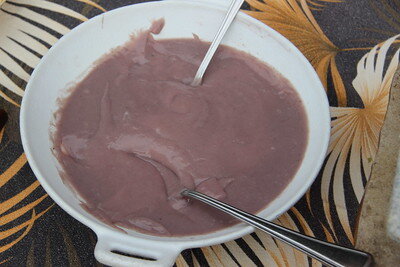
  • Image Left: Hawaii’s famous poi (image source: Flickr)

  • Image Right: Puerto Rico’s famous mofongo (image source: Flickr)


Most of Latin America is known for bland food, with the exceptions of Mexico, Perú, and Colombia. Puerto Rico’s most famous dish is mofongo de plátano which is mashed up fried plantain mixed with meat and condiments.

Of course, bland Puerto Rican food, such as arroz con salchichas y bistec ensebollado or yuca al ajillo is still tastier than Hawaii’s famous duo of Spam and taro. Hawaii’s most famous dish, poi, is basically a bowl of mashed potato paste.

Hawaii’s Spam musubi (Image Source: Flickr)


Puerto Rico’s most famous and only microbrewery is Ocean Labs. Hawaii has Waikiki Brewing Company, Honolulu Beerworks, Lanikai Beer Co, Aloha Beer Company, Maui Brewing Company, Kona Brewing Company, and Kauai Beer Company, just to highlight a handful.

Food Winner

Draw. Puerto Rico nor Hawaii is known for their cuisine.


Locals had good reason to fear that mainland haoles might condescend to them for speaking their first language, pidgin (Hawaii Creole English) and for enjoying Local Food, including the highly regarded Local treat, SPAM
—  Food, Culture & Society


Wild horses roam the countryside on Vieques (8-miles east of Puerto Rican mainland)


Main Attractions

Hawaii has more total noteworthy attractions, however, they are spread out over 4 main islands. Puerto Rico’s hot spots are spread out on the main island and the tiny islands of Vieques and Culebra.

Kaanapali beach sunset on Maui, Hawaii (Image Source: Flickr)


Kilauea Volcano in Hawaii Volcanoes National Park.

Kilauea Volcano in Hawaii Volcanoes National Park.


Attraction Winner

Hawaii.

  • It’s highly doubtful that Puerto Rico’s top attraction would even crack the top 50 for Hawaii.


Historical Sites

The greater San Juan Metro area (Puerto Rico), among all the state capitals, is the oldest European settlement within the United States and its territories. Founded in 1509 by the Spaniard Don Juan Ponce de Leon, it was the second European settlement in all of the Americas and the first port of any vessel crossing the Atlantic.

La Fortaleza

La Fortaleza (Puerto Rico)


Old San Juan, is a Spanish colonial history mixed with present-day Puerto Rican life. This entire area is a UNESCO World Heritage Site, with hundreds of restored 16th and 17th-century Spanish colonial buildings.

The oldest street in the U.S. is Elfreth's Alley in Philadelphia, dating back to 1703. However, the streets of Old San Juan also date back to the early 18th century as the ballasts of the Spanish conquistador ships were filled with cobblestones of adoquines, a blue stone cast from furnace slag and were used as road pavers.

Historic streets in Old San Juan - Puerto Rico

Historic streets in Old San Juan - Puerto Rico


Historical Sites: Hawaii

The Pearl Harbor National Memorial is maybe the most famous historical site in Hawaii, however, is also the most overrated and touristy IMO (about 1.5 million annual visitors).

O'ahu - Honolulu - Pearl Harbor: USS Arizona Memorial (Image Source: Flickr)


Historical Winner

Puerto Rico.

The entire Old San Juan downtown core has evolved from its 16th century origins, yet there is no place in the United States with this much antiquity of civilization.

Old San Juan - Puerto Rico (Image Source)


Snorkeling

Lonely Planet ranks Hanauma Bay in Hawaii as the 3rd best snorkeling beach in the World, only behind Lady Elliot Island of Australia’s Great Barrier Reef and Fernando de Noronha in Brazil.

Hanauma Bay, Ohau, Hawaii

Hanauma Bay, Ohau, Hawaii


The best snorkel spot in Puerto Rico is Culebra, a small island 17-miles from the mainland. Culebra is also home to the most famous beach in Puerto Rico, Flamenco Beach.


Coral Reefs Around Puerto Rico

Image Source: Larsen, Matthew C., and Richard M. T. Webb. “Potential Effects of Runoff, Fluvial Sediment, and Nutrient Discharges on the Coral Reefs of Puerto Rico.” Journal of Coastal Research, vol. 251, Jan. 2009, pp. 189–208.

Image Source: Larsen, Matthew C., and Richard M. T. Webb. “Potential Effects of Runoff, Fluvial Sediment, and Nutrient Discharges on the Coral Reefs of Puerto Rico.” Journal of Coastal Research, vol. 251, Jan. 2009, pp. 189–208.


Vieques, another island off the coast of Puerto Rico mainland offers amazing snorkeling and is home to the Vieques National Wildlife Refuge.

All the Hawaiian islands have great snorkeling, however, the Big Island is generally considered to be the best overall.

  • The state of Hawaii (Main Hawaiian Islands) is bequeathed with over 410,000 acres of coral reefs

Snorkeling Winner

Hawaii. Not even a contest.

Kahaluʻu Bay — on the Big Island of Hawaiʻi (Image Source)


Surfing

North Shore Oahu (Hawaii)

North Shore Oahu (Hawaii)


Puerto Rico’s Rincón is widely considered one of the top surfing destinations in the world. However, Oahu’s Pipeline, Maui’s Honolua Bay, Jaws, Backdoor, 7-miles of the North Shore, and beginner-friendly Hanalei Bay in Hawaii are all World renown for a reason.

In 2018 Punta Borinquen was named the Caribbean's first World Surfing Reserve, which is a 5-mile stretch of coastline from Crash Boat to Surfer's Beach in Aguadilla, Puerto Rico.

Rincón, Puerto Rico

Rincón, Puerto Rico


Rincón, located on the northwest corner of Puerto Rico, where the Atlantic Ocean meets the Caribbean Sea is a 7.5 mile (12km) stretch of coral reefs and sandy shores.


Surfing Winner

Hawaii…Obviously.

O‘ahu, also home to the state capital in Hawaii


Hiking

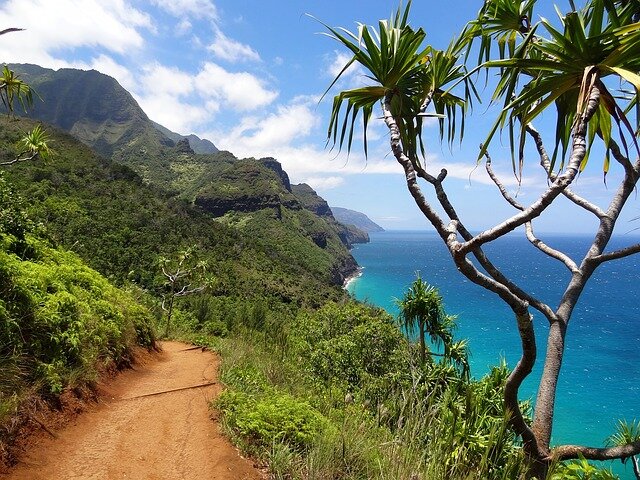
Kalalau Trail - The island of Kauai of Hawaii

Kalalau Trail - The island of Kauai of Hawaii


Hawaii is truly a hikers paradise. Hawaiian treks will take you to active volcanoes, lush valleys, cascading waterfalls, secret beaches, sea cliffs, and magical watering holes. Of all the amazing hikes in Hawaii, none is more famous than the Kalalau Trail.

  • The eleven-mile Kalalau Trail meanders along the Nā Pali Coast of Kauai and is considered a Top 100 Hike in the World and is home to some of the oldest archeological sites in Hawaii.

Hiking in El Yunque National Forest in Puerto Rico

Hiking in El Yunque National Forest in Puerto Rico


The interior of Puerto Rico offers mountainous terrain and El Yunque National Forest.

Hiking Winner

Hawaii and a very clear winner.

Easier Flight

This depends on where on the Planet you are, but Hawaii is closer to Alaska than any part of the continental USA. Honolulu, the capital of Hawaii is 2,558 miles (4,117km) from Los Angles and 5,000 miles (8,046km) from New York City.

San Juan, the capital of Puerto Rico is only 1,606 miles from NYC and is in the same time zone half the year. Unless you live on the west coast, Puerto Rico is a faster and cheaper flight.

Star Gazing

The Mauna Kea Observatory on Hawaii’s Big Island is mostly snowcapped in the winter

The Mauna Kea Observatory on Hawaii’s Big Island is mostly snowcapped in the winter


Maunakea’s 13,796 foot (4,205m) summit is known as the Earth’s window into the universe. This is the tallest mountain in the world measured from the ocean floor to the peak and is surrounded by thousands of miles of open ocean with very little atmospheric turbulence.

Piercing above the general cloud layer, the dormant shield volcano Mauna Kea has mostly clear skies combined with dry air, and photometric conditions 70% of the time. The Maunakea Observatories is only a little over an hour’s drive from Hilo Hawaii.

star gazing hawaii.jpg

Whale Watching

Whales & Hawaii

From mid-December to late April, the southwest coast of Maui is one of the top destinations in the world for watching humpbacks. The area of ocean that surrounds Maui has been designated as the Hawaiian Islands Humpback Whale National Marine Sanctuary.

Puerto Rico & Whales

Between December and March, humpback whales pass through the Mona Passage and the waters around Vieques and Culebra. The Mona Passage is the Caribbean's best spot for seeing whales and one of the World’s main migration areas for humpbacks in the underwater canyon between Puerto Rico and the Dominican Republic.

You can also site whales from the lighthouse in Rincón, as the humpback are spotted less than 700 feet offshore.


Google Maps of Mona Passage


More Touristy

About 10 million visitors a year come to Hawaii whereas Puerto Rico gets about 3.5 million tourists. Oahu, the most visited of all the Hawaiian islands attracts nearly 5 million annual visitors. For perspective, the main island of Puerto Rico is 6 times larger than Oahu with 1/3 fewer tourists.

Of the 4 main Hawaiian islands, Kauai is considered the quietest as it gets the least amount of tourists. However, Kauai gets about 1.5 million tourists a year and this island is about 6.5 times smaller than Puerto Rico. Also, Kauai only has one main highway on the island that is shaped like a horseshoe (lots of traffic and road congestion).

Touristy Winner

Puerto Rico is significantly less touristy than Hawaii, especially compared to the islands of Oahu, Maui, and Kauai.

A beach on the Puerto Rican island of Vieques


Weather

Hawaii has a mild tropical climate with two seasons, summer and winter. The capital city of Honolulu ranges from 68°F to 87°F (20°C to 30.5°C)Rainfall varies dramatically in Hawaii. For example, Mount Waialeale (Kauai,) one of the wettest spots on Earth, averages 450 inches (11,430 mm), whereas parts of the Big Island average under 10 inches a year. 

  • Summer (dry season) - May through October. Hotter weather with regular trade winds.

  • Winter (rainy season) - November to April. Cooler temperatures and frequent rainstorms.

Puerto Rico Weather

Puerto Rico is hotter and more humid than Hawaii and classified as a tropical rainforest by the Köppen climate classification system. San Juan, the capital city, varies from 72°F to 90°F (22°C to 33°C).

  • Dry Season: December to March. Slightly cooler temperatures and less humid compared to the wet season.

  • Wet Season: April to November. 80% of the yearly rainfall occurs during these months. Wet season is hot, wet, and muggy.

  • Hurricane Season: June 1st to December. The Bermuda Triangle, which is bounded by Bermuda, Miami, and Puerto Rico, is also home to ‘hurricane alley.’

  • Best weather months: January to April. Mild and dry tropical climate.

(Image Source: Flickr)

(Image Source: Flickr)


about jesse.png

Jesse is the Director of Pedal Chile and lives in La Patagonia and Puerto Rico. Jesse has a Master of Science in Health and Human Performance and a Bachelor of Science in Kinesiology. Hobbies: Mountain biking, bicycle commuting, reading, snowboarding, researching, and sampling yummy craft beers.


Sources & References

  1. Larsen, Matthew C., and Richard M. T. Webb. “Potential Effects of Runoff, Fluvial Sediment, and Nutrient Discharges on the Coral Reefs of Puerto Rico.” Journal of Coastal Research, vol. 251, Jan. 2009, pp. 189–208, 10.2112/07-0920.1.

  2. Laudan, Rachel. “Homegrown Cuisines or Naturalized Cuisines? The History of Food in Hawaii and Hawaii’s Place in Food History.” Food, Culture & Society, vol. 19, no. 3, 2 July 2016, pp. 437–459.

Best Colorado Ski Resorts for Beginners

Copper Mountain - near Frisco, Colorado

Copper Mountain - near Frisco, Colorado


As someone who has lived in Colorado ski towns for 8 years, including Telluride, Copper Mountain, Avon, and Keystone, and has actually been to every ski resort in the state numerous times. I have decided to write this article, as most of what I read, I'm skeptical if the writer has even been there.

1) Steamboat Springs

Why it’s great for beginners

Steamboat is known among ski bums as “SlowBoat” because it lacks steeps. This is the flattest and easiest ski resort in all of Colorado. I know many resort employees whose first black diamond they rode was at the Slowboat. Advanced skiers/snowboarders enjoy it here because of the great tree runs and an average snowfall of 336-inches, 5th best in the state.

  • 56% of the ski runs are either beginner or intermediate

Steamboat is the lowest elevation ski resort in Colorado, with the base at 6,900 feet, about 150 feet higher than the town. For those that are concerned about altitude, the top of this resort (10,568 ft) is actually lower than the parking lot of Loveland, and only a few hundred feet higher than Copper Mountain and Breckenridge’s base.

Non-Skiing Activities

After a day of skiing in the self-anointed “champagne” powder, there are several hot springs in or near Steamboat, including Strawberry Park Hot Springs, one of the best hot springs in the entire state of Colorado.

Strawberry Park Hot SpringsAbout 5-10 miles outside of Steamboat. A natural hot spring. (Image Source: Flickr)

Strawberry Park Hot Springs

About 5-10 miles outside of Steamboat. A natural hot spring. (Image Source: Flickr)


Food & Microbreweries

Mahogany Ridge Brewery, Mountain Tap Brewery, Storm Peak Brewery, plus Steamboat Whiskey Company are 4 local establishments that are great places to have a drink or two after some fun in the snow. 

Steamboat Springs is one of the larger ski towns in Colorado. There are over 130 restaurants, backcountry dining, hot springs, spas, and nightlife in the Boat.   


Downtown Steamboat Springs - Colorado

Downtown Steamboat Springs - Colorado


Why I like Steamboat

A 3-hour and 15-minute drive from Denver assuming there is no traffic, rest breaks, or snow, makes this resort off the beaten path. Combine that with not being on Vail’s Epic Pass, which means this resort doesn’t have the crowds or lines that many of the I-70 corridor resorts experience.

Great snow, epic tree runs, and a stop at Radium Hot Springs along the way make this trip always a treat.

View of Steamboat Springs from the gondola. (Image Source: Flickr)

View of Steamboat Springs from the gondola. (Image Source: Flickr)


2) Copper Mountain

Why it’s great for beginners

I might be a bit biased as this is the first ski resort I worked at in Colorado and have so many amazing memories.

All the beginner and easier runs are located in the same area, which means that you won’t take a wrong turn or catwalk and find yourself on a black or double diamond. Also, you can access any of the villages as a beginner, since the mountain is easy to navigate, especially with family or with friends of different levels.

  • 46% of the runs are either greens or blues

Non-Skiing Activities

Copper Mountain has its own walkable village with bars, shops, and restaurants. While it’s considered small by larger resort standards, Frisco, Colorado is a 5-minute drive, if you are looking for more nightlife, restaurants, and breweries.

Why I like Copper

Copper Mountain is not owned by Vail Resorts and is not part of the Epic Pass. Making this is the least crowded and most affordable resort in the area. Also, it’s the closest ski resort to Denver, at 1-hour and 20-minutes from downtown.

  • Copper is 5 minutes to Frisco/Silverthorne

  • 28 minutes to Breckenridge and Keystone

  • 23 minutes to Vail

  • 32 minutes to Leadville

  • 40 minutes to Idaho Springs

Making Copper conveniently located to experience many of Colorado’s winter highlights.

Frisco, Colorado

Frisco, Colorado


3) Loveland Ski Area

loveland.jpg

Why it’s good for beginners

An unrestricted 4-pass is $199, which is about the same price as a single-day lift ticket at the nearby Vail Resorts.

  • 54% greens and blues

Non-Skiing Activities

This is a ski area and not a resort, so not much besides skiing or snowboarding. However, Loveland is under an hour from Denver and located before the Eisenhower Tunnel, which has many unforeseen closures. Frisco/Silverthorne is only 20 minutes away, and Breckenridge is 35 minutes.

Stuck on I-70. Very common. Most likely related to the tunnel or an accident. (Image Source: Flickr)

Stuck on I-70. Very common. Most likely related to the tunnel or an accident. (Image Source: Flickr)


Why I like Loveland

Great prices, short lines, and the same big mountain experience as the nearby mega-resorts. Also, and very importantly, Loveland averages the most snow in the state, at over 420 inches.


4) Snowmass Ski Area (Aspen area)

Ajax, Aspen, and Stars.

Ajax, Aspen, and Stars.
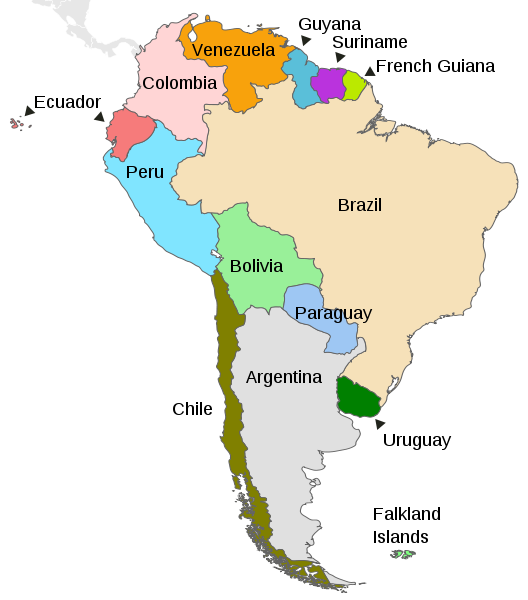

The Aspen Ski Company has 4 ski areas/resorts. Most locals say Aspen Highlands is their favorite, but all the fun terrain is only accessible by hiking/skinning, which IMO defeats the purpose of getting a lift ticket and is not good for beginners.

Why it’s good for beginners

Only Vail has more skiable acres than Snowmass in Colorado and 53% is classified as beginner or intermediate. That is lots of options and room for beginners. Snowmass has fast chairlifts and short lines so you can maximize your time on the slopes.

Aspen is 200 miles from Denver or nearly 4 hours drive with no traffic or snow, which keeps the “Tunnel Trash” down to a minimum (Tunnel Trash is what the ski locals call those who live in the Denver metro area as they have to drive through the Eisenhower Tunnel to get to the mountains).

Ajax and downtown Aspen

Ajax and downtown Aspen


Non-Skiing Activities

Snowmass village is rather small and has limited options, however, it’s only a 20 minute car drive to downtown Aspen, which is one of my favorite mountain towns in Colorado.

  • The John Denver Sanctuary is located right in town next to Rio Grande Park and is near the spot he wrote his famous song “Rocky Mountain HIgh” (image below).

  • The J-bar in the Hotel Jerome was Hunter S. Thompson’s favorite drinking spot.

  • Glenwood Hot Springs Lodge is about a 45 minute drive from downtown Aspen, where you can soak and relax

  • The Wheeler Opera House is the venue for concerts, festivals, movies, lectures, and more.

  • Aspen Brewery Company is the oldest brewery in town after Flying Dog relocated to Maryland.

Aspen at 15,000+ feet (Image Source: Flickr)

Aspen at 15,000+ feet (Image Source: Flickr)


Why I like Aspen/Snowmass

Few ski experiences are more iconic than Aspen. Four ski areas all on the same pass, little crowds, fast chairs, historic town, tons of bars and restaurants, and amazing skiing. If I only could only do one Colorado ski trip it would be to Aspen, and it wouldn’t even be close (but not as a beginner per se).


5) Breckenridge

breckenridge.jpg

Why it’s good for beginners

Not as flat as Steamboat but the beginner and intermediate runs here are gentler than most. which is maybe why this is the 2nd most visited ski resort in the USA.

  • 44% greens and blues


Non-Skiing Activities

The town of Breckenridge has over 100 restaurants, a half-dozen breweries (Broken Compass Brewing, my favorite) plus a distillery. Also, the Breckenridge Brewery is the 3rd oldest craft brewery in the state (now owned by AB InBev).

Breckenridge is both a historical town and a ski resort. There is no other ski town in Colorado that offers as much diversity of choices for eating, drinking, spas, shopping, live music, events, etc.

Located 1-hour and 45-minutes from downtown Denver. Breck is close to Keystone, Silverthorne, and Frisco, all about 20 minutes away. Even A-basin ski area is only 30-minutes, which makes Breck a great jumping-off point to much of Summit County.

Breckenridge at Dawn (Image Source: Flickr)

Breckenridge at Dawn (Image Source: Flickr)


Why I like Breckenridge

Founded in 1859, Breckenridge is a classic choice, IMO, not so much for the terrain but for the town. Breck is perfect if you are looking for more partying than skiing. I lived at Copper Mountain for 3 years and made the 25-minute drive at least 100 times, for great food and fun times.


6) Beaver Creek

beaver creak.jpg

Why it’s good for beginners

This is one of my favorites. Only 12 miles past Vail but with no lines or crowds. Nearly 2/3 of the mountain is greens and blues and is hands down the best glade skiing in the state.

  • 62% greens and blues

Beaver Creek is top 5 for most expensive resorts in the USA. This keeps the crowds away and provides a great on-mountain experience as your epic fails will be in silence.

Non-Skiing Activities

This was the last major ski resort built in Colorado, opening in 1980-81. There are plenty of restaurants in the 3 villages that comprise the resort. This is more posh than classic.

Beaver Creek in the summer (Image Source: Flicker)

Beaver Creek in the summer (Image Source: Flicker)


Why I like Beaver Creek

As an advanced snowboarder, you can access backcountry-style terrain serviced by lifts, which means no hiking. This is very rare. Also, a fraction of the crowds of Breckenridge, Vail or Keystone. Even on holidays there are no lines.


7) Vail

Why it’s good for beginners

The largest ski resort in Colorado and the most visited in North America. Vail has something for everyone, including beginners.

  • 47% beginner or indeterminate ski runs

Vail has over 5,000 skiable acres, meaning over 2,500 acres are either green or blue runs.

Non-Skiing Activities

There are over 100 restaurants in Vail and as the most visited ski resort in the USA, there is always something going on. Spas, mountain cabin restaurants, shops, and daily live music ensures you will always be entertained.

Why I like Vail

While locals in other ski towns will talk down upon Vail, I’ve never had a bad experience. High-speed lifts and 5,300+ acres make Vail seem less crowded than it really is. Lots of yummy dining and socializing options, all right next to the mountain make for great pictures and epic moments.


8) Monarch Ski Area

Monarch Pass (Image Source: Flickr)

Monarch Pass (Image Source: Flickr)


Why it’s good for beginners

Loveland and Monarch are the two most affordable ski areas in the state. This is perfect for beginners who want to develop their technique and skills before spending more money at the iconic resorts, i.e, Vail, Breck, Telluride, and Aspen.

  • 42% is green and blue ski runs

Since Monarch is only 800 acres and the longest ski run is only 1-mile, you are never that far from the bathrooms or parking lot. Shorter runs are great for beginners as you will be at the bottom before your legs fatigue out.

Non-Skiing Activities

Monarch is a ski area and not a resort, meaning it’s only offers skiing/snowboarding and essential amenities.

However, both historical Salida and Buena Vista are nearby:  

  • Salida is a 30-minute drive

  • Buena Vista is 40 minute drive

This area is also loaded with hot springs, for example:  

  • Mount Princeton Hot Springs Resort is 40 minutes away

  • Valley View Hot Springs is a 50-minute drive

  • Cottonwood Hot Springs is a 50-minute drive

There are several breweries in this area, Elevation Beer Company, Soulcraft Brewery, Tres Litros Beer, and Eddyline Brewery being the most popular.

Arkansas River in Salida, Colorado (Image Source: Flickr)

Arkansas River in Salida, Colorado (Image Source: Flickr)


Why I like Monarch

Monarch averages 350-inches of snow, which is well above the Colorado average. Also, its close proximity to many amazing hot springs makes this a very pleasant trip.


9) Keystone

This list wouldn’t be complete without Keystone, the 3rd largest ski resort in Colorado with over 3,000 skiable acres and 51% green or blue runs.

As an advanced skier or snowboarder, Keystone is very underrated. However, Keystone is marketed as the family resort by Vail Resorts (because it’s boring). As such, it gets way too many beginners and families, which makes for long lines and crowded runs on the green and blue trails.

Also, Keystone doesn’t have many dining, shopping, or nightlife options. Many people do day trips to Breckenridge or Silverthorne, both about 25 minutes away with no traffic and clear weather.


about jesse.png

Jesse is the Director of Pedal Chile and lives in Valdivia. Jesse has a Master of Science in Health and Human Performance and is an avid mountain biker, snowboarder. Hobbies: Reading & researching, tasting good beer, and hot springing.


How Much Weight Will I Lose If I Stop Drinking Alcohol

Examples of 1-standard drink Image Source: UC Santa Cruz. “Alcohol and Your Body.” Ucsc.edu, 2019. ‌

Examples of 1-standard drink

Image Source: UC Santa Cruz. “Alcohol and Your Body.” Ucsc.edu, 2019.


Alcohol suppresses lipid oxidation, and non-oxidized fat is preferentially deposited in the abdominal area
— European Journal of Clinical Nutrition


Each standard alcoholic drink you eliminate above moderation results in approximately 1-ounce (28g) per week of weight loss. The 1oz rule applies only if no additional calories are added.


Alcohol vs Food Metabolism

Fats, proteins, and carbohydrates are macronutrients (macros) as they provide our bodies with energy. Alcohol is also a macronutrient, but it is metabolized significantly differently from fats, carbohydrates, and proteins.

PedalChile.Com

Unlike the other macros, alcohol is not actually digested and your body treats it like a toxin. Once you ingest alcohol, your body has to process it first, since it’s trying to get rid of it as fast as possible. We humans don’t have a way to store alcohol, so our bodies process it in preference to fats, and carbs, with the unused energy from these two macros being stored in our bodies in the form of body fat.

Take-Home Messages

  • Fat and carbohydrate metabolism is suppressed more heavily while drinking alcohol than proteins. Take-home message……. eat less fatty foods and carbohydrates while drinking alcohol. Instead, eat lean proteins like unbreaded chicken wings vs a hamburger and fries.


Depends on How much you drink: Calories In, Calories Out


Aside from fat, ethanol (alcohol) is the macronutrient with the highest energy density. Meaning, it’s very easy to drink thousands of liquid calories.

However, just because you consume 1,200 calories in only 3 pints of Hazy IPA, plus an additional 1,990 calories devouring loaded nachos with extra cheese and guac - doesn’t mean that you will gain weight. For example, If you cycle or mountain bike to/from the brewery and burn 3,000 calories plus 2,000 more just from your natural basal metabolic rate, you’re still in a caloric deficit of 1,810 calories and will lose weight, even if you have another Hazy IPA with 2 orders of mozzarella sticks.

brewery and drinking for weight loss.jpeg

Calories, Macros & Your Weight

  • Calorie balance is responsible for about 60% of your body weight

  • Macronutrients & exercise is responsible for an additional 35%

    • Most importantly, exercise & macronutrient ratios determine how flabby or muscular you are.

This means that you can drink alcohol and still lose weight, as long as your expending more calories than ingesting. However, if you’re consuming too much alcohol and not enough proteins and essential fatty acids (EFAs) then your health and body composition will suffer.


READ: How many calories does mountain biking burn?


Body Weight & Alcohol


Among cross-sectional studies, a common trend appears to be that alcohol intake is not associated with body mass index (BMI) in men, while either negatively or not associated with BMI in women
— Current Obesity Reports


Your weight is determined by how your body regulates energy intake, energy expenditure, and energy storage. The equilibrium of these three components is known as energy balance. To lose weight, you need to modify your energy balance, which is most easily done by eating and drinking less.

A 12oz can of regular beer, a standard 1.5oz shot of liquor, and a 5oz glass of wine all contain about 130 to 150 calories. Simply cutting out a couple alcoholic beverages doesn’t drastically reduce your energy balance.

A 2010 study published in Health Economics, examined data from over 30,000 Americans to investigate the role of alcohol consumption in weight gain. The researchers’ conclusion:

In conclusion, current scientific and policy debates over the alarming rise in average body weight among Americans generally focus on diet and exercise. Yet given the popularity and relatively high caloric content of most alcoholic beverages, alcohol consumption would seem to represent another potential target area in the battle against obesity. The findings presented in this paper, however, indicate a statistically significant yet quantitatively immaterial link between increasing alcohol use and weight gain among men. Moreover, contrary to our expectations, alcohol use does not appear to be a risk factor for weight gain among women and older adults.

To summarize their conclusion, the researchers are saying that drinking alcohol has little to no impact on weight gain, depending on the demographics.

davis-orders-1TICkVJe74I-unsplash.jpg

Daily vs heavy/Binge Drinking


Several studies have found that only excessive or heavy drinking is correlated with increased measures of adiposity.
— Current Obesity Reports


The participants in the aforementioned study drank 1 - 3 drinks per occasion on 74 days for men and 36 days for women, on average. As someone who frequents microbreweries several days a week and has a beer most afternoons, I would almost consider those drinkers as abstainers.

A 2015 study published in Current Obesity Reports, researched associations between alcohol consumption and body weight, the researchers’ noted:

Overall, the majority of cross-sectional studies since 2005 have demonstrated that frequent light to moderate alcohol intake does not seem to be associated with obesity risk. Heavy drinking and binge drinking, however, are more likely to carry such an association with excess body weight.

This same scholarly article also reported:

studies in adults have found that the amount or intensity of drinking per drinking occasion is positively correlated with BMI, while the frequency of drinking is negatively correlated, suggesting that frequent light drinking might offer a protective effect (bolding is mine).

Cross-sectional studies find that for men, drinking less than 20 drinks per week or 4 or fewer drinks per day were not associated with increased body fat or weight gain compared to abstainers or heavy drinkers. The same results are found in women, but with fewer drinks as women are smaller on average.

  • Meaning, frequent, such as daily, light to moderate drinking lowers your chance of obesity and keeps you in a healthy weight range.

Why is moderate drinking healthy?

Being lean while also a regular drinker is known as the “alcohol paradox.” However, it’s really not surprising. Alcoholic beverages are social and are enjoyed while outdoors, after recreational hobbies, pool parties, bike rides, and the like. This social component combined with physical activities promotes increased caloric burn and frequent drinkers' bodies adapt to alcohol and burn fat while processing alcohol.

Quitting Alcohol & Weight Loss

If you are a frequent and heavy drinker, especially if you drink alone or while watching TV, playing on your phone, or are just generally stationary while drinking, you will lose weight if you quit. How much weight you lose will depend on how many calories you are exceeding your energy needs. But quitting/reducing alcohol and replacing lesser foods with lean proteins is a good start.

Research has suggested that for frequent, binge drinkers, just eliminating alcohol will result in 10 pounds of weight loss in the first month or 30 days.

Types of Alcohol & Fat Distribution

Everyone knows someone with a beer belly, but what about a tequila-gut or wine-belly?? Well, wine belly is a real thing, and just like the beer gut, extra calories from ALL alcohol can contribute to an increase in fat around the belly area. Some types of alcoholic beverages are worse, but that is due to higher alcohol concentrations or added sugars, such as piña coladas.

Cutting & Alcohol

If you’re a bodybuilder in a cutting cycle or someone on a very low-calorie diet, it’s best to eliminate all alcohol. During this phase, it’s nearly impossible to ingest enough muscle-sparing proteins if you are consuming alcohol. Now is not the time to choose the wine over the chicken breast.

Final Thought

Drinking alcohol isn’t unhealthy - frequent binge drinking is. If you happen to be a heavy daily drinker, chances are alcohol isn’t the biggest flaw.


about jesse.png

Jesse is the Director of Pedal Chile and lives in La Patagonia. Jesse has a Master of Science in Health and Human Performance and is an avid MTBer. Jesse enjoys reading books, particularly non-fiction and academic studies. Favorite MTB trail? The singletrack on the active volcano in Chile.


More articles from Pedal Chile

  • READ: Healthiest Beers


Sources & References

  1. BGSU. “Alcohol Metabolism.” Bowling Green State University, 2019, www.bgsu.edu/recwell/wellness-connection/alcohol-education/alcohol-metabolism.html.

  2. ‌Bo, Simona, et al. “A Critical Review on the Role of Food and Nutrition in the Energy Balance.” Nutrients, vol. 12, no. 4, 22 Apr. 2020, www.ncbi.nlm.nih.gov/pubmed/32331288, 10.3390/nu12041161.

  3. Brandhagen, M., et al. “Alcohol and Macronutrient Intake Patterns Are Related to General and Central Adiposity.” European Journal of Clinical Nutrition, vol. 66, no. 3, 1 Mar. 2012, pp. 305–313, www.nature.com/articles/ejcn2011189, 10.1038/ejcn.2011.189.

  4. Caballería, Juan. “Current Concepts in Alcohol Metabolism.” Annals of Hepatology, vol. 2, no. 2, 1 Apr. 2003, pp. 60–68, www.sciencedirect.com/science/article/pii/S166526811932143X, 10.1016/S1665-2681(19)32143-X.

  5. Chao, Ariana M et al. “Alcohol Intake and Weight Loss During Intensive Lifestyle Intervention for Adults with Overweight or Obesity and Diabetes.” Obesity (Silver Spring, Md.) vol. 27,1 (2019): 30-40.

  6. de Timary, Philippe, et al. “The Loss of Metabolic Control on Alcohol Drinking in Heavy Drinking Alcohol-Dependent Subjects.” PLoS ONE, vol. 7, no. 7, 9 July 2012.

  7. Dumesnil, C., et al. “Alcohol Consumption Patterns and Body Weight.” Annals of Nutrition and Metabolism, vol. 62, no. 2, 2013, pp. 91–97.

  8. French, M. T., Norton, E. C., Fang, H., & Maclean, J. C. (2010). Alcohol consumption and body weight. Health economics, 19(7), 814–832. https://doi.org/10.1002/hec.1521

  9. Hall, Kevin D., et al. “Energy Balance and Its Components: Implications for Body Weight Regulation.” The American Journal of Clinical Nutrition, vol. 95, no. 4, 1 Apr. 2012, pp. 989–994, www.ncbi.nlm.nih.gov/pmc/articles/PMC3302369/, 10.3945/ajcn.112.036350.

  10. Leasure, J. Leigh, et al. “Exercise and Alcohol Consumption: What We Know, What We Need to Know, and Why It Is Important.” Frontiers in Psychiatry, vol. 6, 2 Nov. 2015, 10.3389/fpsyt.2015.00156.

  11. ‌‌Murgatroyd, P. R., et al. “Alcohol and the Regulation of Energy Balance: Overnight Effects on Diet-Induced Thermogenesis and Fuel Storage.” British Journal of Nutrition, vol. 75, no. 1, Jan. 1996, pp. 33–45, 10.1079/bjn19960108.

  12. Most, Jasper, and Leanne Maree Redman. “Impact of Calorie Restriction on Energy Metabolism in Humans.” Experimental Gerontology, vol. 133, May 2020, p. 110875, 10.1016/j.exger.2020.110875.

  13. ‌Risérus, Ulf, and Erik Ingelsson. “Alcohol Intake, Insulin Resistance, and Abdominal Obesity in Elderly Men*.” Obesity, vol. 15, no. 7, July 2007, pp. 1766–1773, 10.1038/oby.2007.210.

  14. Rohrer, J.E., Rohland, B.M., Denison, A. et al. Frequency of alcohol use and obesity in community medicine patients. BMC Fam Pract 6, 17 (2005). https://doi.org/10.1186/1471-2296-6-17

  15. ‌Sieri, S., Krogh, V., Saieva, C. et al. Alcohol consumption patterns, diet and body weight in 10 European countries. Eur J Clin Nutr 63, S81–S100 (2009).

  16. Suter, Paolo M., and Angelo Tremblay. “IS ALCOHOL CONSUMPTION a RISK FACTOR for WEIGHT GAIN and OBESITY?” Critical Reviews in Clinical Laboratory Sciences, vol. 42, no. 3, Jan. 2005, pp. 197–227, 10.1080/10408360590913542.

  17. Traversy, Gregory, and Jean-Philippe Chaput. “Alcohol Consumption and Obesity: An Update.” Current Obesity Reports, vol. 4, no. 1, 8 Jan. 2015, pp. 122–130, www.ncbi.nlm.nih.gov/pmc/articles/PMC4338356/, 10.1007/s13679-014-0129-4.

  18. UC Santa Cruz. “Alcohol and Your Body.” Ucsc.edu, 2019, shop.ucsc.edu/alcohol-other-drugs/alcohol/your-body.html.

  19. ‌Wannamethee, S. Goya, et al. “Alcohol Intake and 8-Year Weight Gain in Women: A Prospective Study.” Obesity Research, vol. 12, no. 9, Sept. 2004, pp. 1386–1396, 10.1038/oby.2004.175.

  20. Wilson, Ryan, et al. “Glacial Lakes of the Central and Patagonian Andes.” Global and Planetary Change, vol. 162, Mar. 2018, pp. 275–291, 10.1016/j.gloplacha.2018.01.004.

  21. ‌Zakhari S. (2006). Overview: how is alcohol metabolized by the body?. Alcohol research & health : the journal of the National Institute on Alcohol Abuse and Alcoholism, 29(4), 245–254.

Why Can't I Lose Weight With Diet and Exercise

There is a lot of confusion in both the corporate and alternative media with regards to diet and exercise. I wrote this article in hope of providing some clarity to those lost in the sea of infomation overload.

1) Not tracking calories

While weighing or measuring every single calorie is not fun nor quick, it’s the number one tactic for losing weight. Every steroid-using fitness model, who spend hours at the gym, religiously counts their calories, as it’s the only way to track progress.

Calorie counting apps are no good as they are slow and inaccurate. A food scale, measuring cups & spoons, and a pen & paper are the most accurate and efficient. Shouting ingredients along with measurements at Alexa with pen in hand is fairly fast. After a few months of meticulously tracking, your memorization will quicken the process, but as soon as you stray from your food journal, progress will stifle.


Obesity by State

Colorado (CO) has the least obesity and Mississippi (MS) the most. Image Source: Brock, D. W., Thomas, O., Cowan, C. D., Allison, D. B., Gaesser, G. A., & Hunter, G. R. (2009). Association between insufficiently physically active and the prevalence of obesity in the United States. Journal of physical activity & health, 6(1), 1–5.

Colorado (CO) has the least obesity and Mississippi (MS) the most.

Image Source: Brock, D. W., Thomas, O., Cowan, C. D., Allison, D. B., Gaesser, G. A., & Hunter, G. R. (2009). Association between insufficiently physically active and the prevalence of obesity in the United States. Journal of physical activity & health, 6(1), 1–5.


2) Eating too many calories

Eating the right amount of calories is responsible for about 60 - 65% of your body weight and the way you look. While this is really the most important principle for losing weight, without tracking your calories, it’s nearly impossible to tell if you are consuming 2,000 or 4,879 calories.

  • Caloric deficit = you will lose weight

  • Caloric surplus = you will gain weight

Weight loss depends ONLY on an energy deficit, regardless of the method. This means you need to consume fewer calories to lose weight than your baseline energy needs. If you are looking to gain weight then you need to consume more calories than what your body is expending.

Intermittent Fasting

There are numerous fasting and feeding schedules, however, the main reason people lose weight while intermittent fasting is because they are eating less food.

The standard beginner schedule of 16:8 allows for only 8 hours per day of eating. Once progress slows, an 18:6 schedule is started, further reducing the eating time to six hours. This allows people to eat less without counting calories, however, I’d recommend tracking calories, regardless of nutritional method.


2018 Map of Global BMI (Image Source: Wikimedia Commons)

2018 Map of Global BMI (Image Source: Wikimedia Commons)


Caloric Balance

Whether you lose FAT or gain MUSCLE depends on other factors, especially what foods those calories come from (fats, proteins, carbohydrates). However, it's impossible to lose weight while being in a caloric surplus. Without counting every calorie how do you know if you are eating too much or not enough??

Most diets focus on macro-nutrient composition but miss the main principle of caloric balance. Keto, for example, focuses on fats, followed by protein. You’re not going to lose weight, even while in ketosis if your consuming surplus calories (outside of the initial water weight as glycogen is bonded to water)

3) Not knowing daily energy expenditure

Tracking calories and eating less doesn’t mean anything unless you know exactly how much less to eat. There are three components to total energy expenditure:

  • Basal metabolic rate (BMR) = energy burned while resting (60 - 75%)

  • Thermic effect of food = The energy required to digest, metabolize and store food (8 - 10%)

  • Energy expenditure of physical activities = Thermogenesis that accompanies all physical activities, including exercise, tasks of daily living, fidgeting, etc. (0 to ~ 30%)

For the most detailed and accurate measurement, you’ll need to go to a research laboratory or university hospital.

  1. However, for a ball-park number, just Google energy expenditure calculator. I recommend using a handful of Total Daily Energy Expenditure (TDEE) calculators and then averaging the results.

  2. Frequent weighing. Once you know your TDEE, and total calories, time to weigh yourself frequently and adjust calories accordingly.

The Myth of the 3,500 calories & One-pound of fat

It’s commonly accepted that 3,500 calories are equal to one pound of fat. If you eat 500 calories less each day for one week, then, in theory, you will lose one pound of fat per week. This simple weight loss rule is cited in over 40,000 websites, nutrition textbooks, and scientific articles. Even the USDA, the department that sets the dietary guidelines for Americans, reports:

“You need to burn 3,500 calories more than you take in to lose one pound of weight. This translates into a reduction of 500 calories per day to lose one pound in a week, or a reduction of 1,000 calories per day to lose two pounds in a week.”

In reality, the 3,500 calorie rule significantly overestimates weight loss and projects a linear change, which is known to be untrue. People seeking 1 pound or more of weight loss per week will need to reduce daily caloric intake by 1,000 calories, minimum, all while actively combating passive compensatory changes. People on the extremes of human size will need less or more, but the bottom line is you’re not going to drop 30 lbs anytime soon by only reducing your daily intake by 500 calories.


The panel recommended that the 3500 kcal per pound rule should no longer be used.
— The American Journal of Clinical Nutrition (2012)


4) Macros out of balance

Image Source: USDA

Image Source: USDA

Macros & muscle or fat

Caloric balance or lack thereof is responsible for about two-thirds of your body weight. However, body composition, or how much fat or muscle you have is mostly dependent on the proportion of macro-nutrients (proteins, fats, carbohydrates).

Ancestral Human Diet

Humanity’s gene pool is identical to that of the hunter-gatherers of the Stone Age beginning about 2.6 million years ago. Our optimal diet is the same today as it was during the Palaeolithic Period, which lasted for 2.5 million years or 99% of humanity’s existence.

During this era, there were no nutritional books or health “gurus” extolling the merits of the keto diet or “bulletproof” coffee. Hunter-gatherers ate food derived from naturally occurring vegetation, wild game, and aquatic resources.

Today, the Acceptable Macronutrient Distribution Range (AMDR) set forth by the Food and Nutrition Board of the Institutes of Medicine (IOM) recommends:

  • Carbohydrate = 45%-65% of energy

  • Protein = 10%-35% of energy

  • Fat = 20%-35% of energy (with limit saturated and trans fats)

This differs slightly from the macro-nutrients of the hunter -gatherers of the Palaeolithic Era:

  • Carbohydrates = 35%

  • Proteins = 30%

  • Fats = 35% (mostly polyunsaturated)

Average Macros of Hunter-Gatherers

macro-nutrients of Palaeolithic Period

Protein

Hunter-gatherers got slightly less than 1/3 of their calories from protein or about 30%. Today, this would be on the high side of the AMDR recommendations.

Protein is essential for fat loss as it helps prevent muscle loss and it reduces hunger. 1 gram of protein per pound of lean bodyweight is a good starting point.

For example:

  • 200lb man with 27% body fat would need about 146grams of protein.

Carbohydrates

Today, about 50% of the total calories in the American diet come from carbohydrates with about 15% coming from added sugars. During the 2.5 million years where aboriginal peoples roamed the Earth, only about 35% of total energy came from carbs, with 2 - 3% from added sugar (mostly from honey).
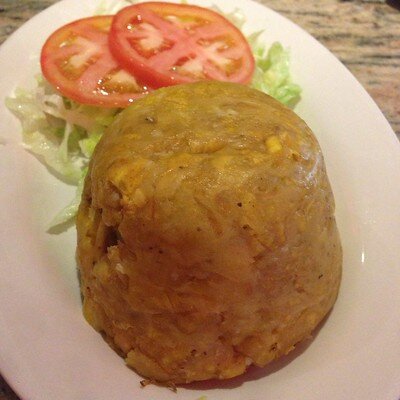
Grains, which today are the largest source of carbohydrates was rarely eaten during the Stone Age. A Palaeolithic Period diet was high in fruits, especially berries along with tubers.

Carbohydrate's main purpose is to provide energy as opposed to proteins, which are the building blocks of tissues. Assuming you are exercising, 1g per pound of body weight, just like protein, is recommended.
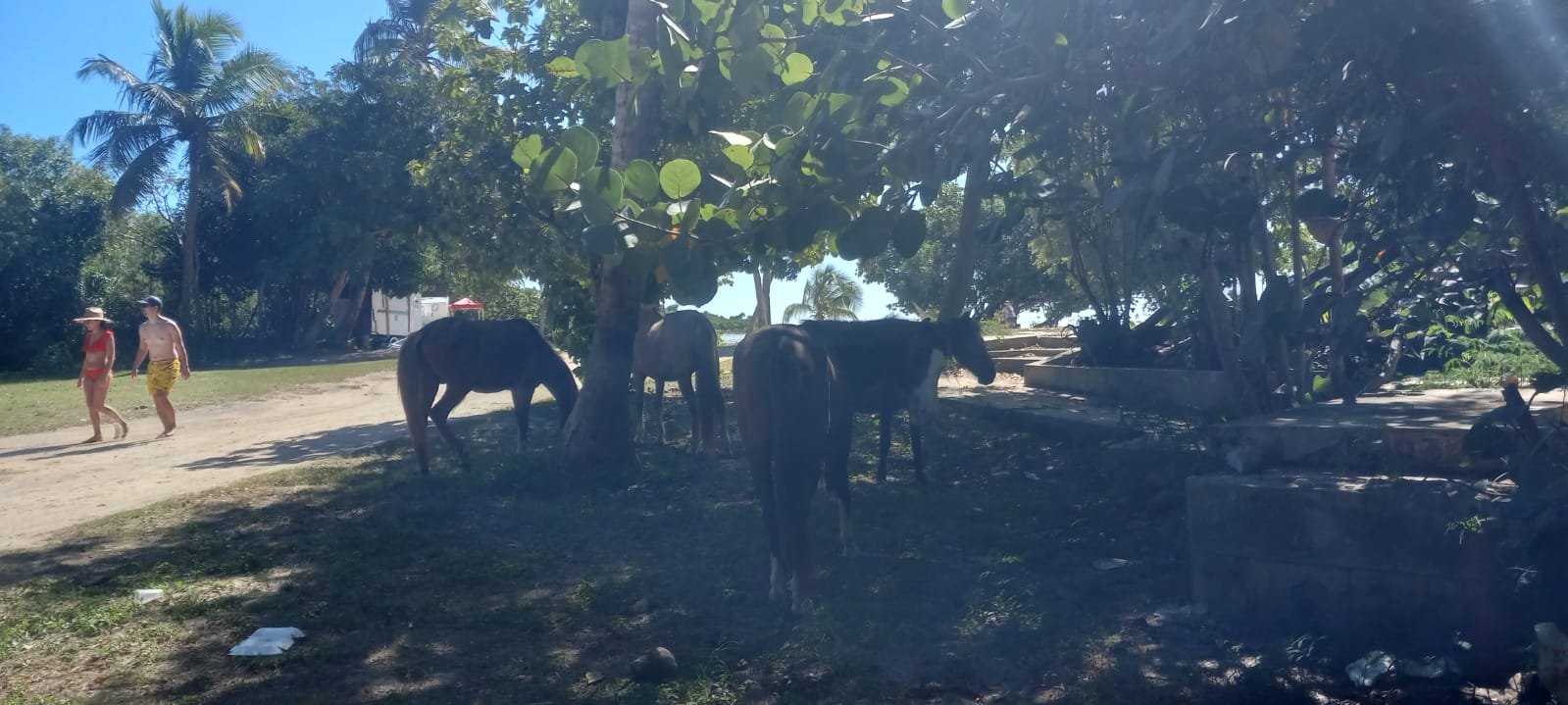
Fats

Fat intake during the Palaeolithic Period ranged from about 25 to 60%, depending on latitude.

  • Arctic areas = 60% fat

  • Tropical terrain = 25% or less fat

  • Rest of the Planet = ~35%

Stone Age hunter-gatherers ate more fat than the typical person today, only about 8% of total calories came from saturated fat while eating significantly more polyunsaturated fats, as the fatty acid profile of wild game animals differs greatly from that of modern grain-fed commercial feedlots.

Carbohydrates and proteins have 4 calories per gram. Fat, however, is over double with 9 calories per gram. As people start tracking calories and limiting calories, the first thing that gets reduced is fat, as it limits the amount of total food you can eat. I listed fats last here because after calculating protein and carbohydrates, your remaining calories will come from fat. Don’t let fat intake dip below 15% as fat is essential to health, however, fat has a very limited role in body composition changes.

Image Source: Marlowe, Frank W., et al. “Honey, Hadza, Hunter-Gatherers, and Human Evolution.” Journal of Human Evolution, vol. 71, June 2014, pp. 119–128.

Image Source: Marlowe, Frank W., et al. “Honey, Hadza, Hunter-Gatherers, and Human Evolution.” Journal of Human Evolution, vol. 71, June 2014, pp. 119–128.

Micro-nutrients

Paleolithic people's diets had 2 - 8 times more micro-nutrients (vitamins and minerals) than today’s diets, with the lone exception of sodium. Today, sodium consumption is higher than potassium, which has reversed our electrolyte balance.

Micros for losing fat & Latitude


Most (73%) of the worldwide hunter-gatherers derived >50% (≥56–65%) of their subsistence from animal foods (hunted and fished), whereas only 13.5% of worldwide hunter-gatherers derived >50% (≥56–65%) of their subsistence from gathered plant foods.
— The American Journal of Clinical Nutrition


All calories are created equal for overall weight loss. However, a calorie is not a calorie when fat loss or muscle gains are desired. It is common for dieters to restrict certain macros in hopes of slimming down. Yet proteins, carbs, and fats all play a role.

Also, depending on the latitude of your lineage, your optimal macros will vary. Hunted animals and fish made up the vast majority of food for those with ancestry from Arctic areas, temperate grasslands, and subtropical rain forests. Genealogies with origins in the temperature forests, desert forests, and tropical grassland depended on gathered plants more than they did game and fish. This means that depending on your family’s origins, the optimal amount of carbohydrates could be anywhere from 5% to 55%.

5) Eating out too much

Fast food joints like McDonald’s take the majority of the blame, but every restaurant meal eaten per week, regardless of the eatery, increases your BMI by at least .6. A healthy BMI is 18.5 to 24.9, which means 5 restaurant meals a week increases a person’s BMI by 3.0, which is 50% of an entire BMI category.

A 2014 study, published in the American Journal of Public Health, analyzed 250 restaurant chains and their 30,923 unique menu items. The researchers found:

  • 674 calories per entree

  • 813 calories per appetizer

  • 260 calories per side

  • 496 calories per salad

  • 419 calories per drink

  • 429 calories per dessert


The average meal was between 785 - 1,860 calories. Oddly enough, McDonald’s had the lowest caloric average per meal of all of the food chains. It’s also interesting to note that restaurant salads average 500 calories. Even if you forgo the dressing, many of these “healthy” options are filled with bacon bits, shredded cheeses, crispy bits of fried anything, and starchy vegetables. Oh, and by the way, salads are generally the most contaminated menu items and are responsible for 20% of all foodborne illnesses.


6) Excessive Caffeine & Alcohol

beer platter.jpg

You can still lose weight while drinking alcohol as long as your total calories are less than your daily energy needs. However, for every drink that you consume, you shift how food is metabolized, especially while eating fatty foods and enhance your appetite. A glass or two of wine/beer is okay. However, one Saturday night rager can undo an entire week of caloric balance. 

For those of you trying to get rid of the “last 5 - 10lbs,” it’s really hard to achieve without completely eliminating alcohol.

Stimulation - Sedation Cycle

Excessive caffeine, 400mg or more, causes the Stimulation - Sedation Cycle, where you start your day with caffeine and end it with alcohol or marijuana to calm down. This reduces your sleep quality, which is hugely important in regulating and rebalancing your hormones.


7) Poor sleep

get good sleep .jpg

For those that sleep less than 7 hours per night, focusing on healthy sleeping habits should be your number one priority. Even doing everything else right - caloric balance, optimal macros, and proper exercise, insufficient sleep will wreak havoc on your body. 

  • Decreased Leptin - Satiety hormone (feeling of fullness after eating)

  • Increased Ghrelin - Hunger-stimulating hormone

  • Increased Cortisol - High concentrations of this stress hormone causes impaired glucose homeostasis, insulin resistance, and fat gain (especially belly fat)

  • Decreased Melatonin - Responsible for circadian rhythm disturbances and a weekend immune system.

8) Exercise vs Recreational Hobbies

You cannot outrun a bad diet is a popular maxim. Running a 5k (3.1 miles) only burns ~ 200 to 500 calories, which is the equivalent of a banana and a medium coffee with a little cream and sugar.

However, simply reducing exercise to a caloric equation misses the major point. Let's use mountain biking as an example - Recreational mountain biking burns about 700 calories per hour and combines resistance training, cardio, and HIIT training, all while being in the great outdoors (green exercise) while also enriching social connections. The 700 kcals/hour is great for reducing fat and increasing muscle proportions, but the overall health impact is unmeasurable. Making new friends, spending time in nature free of your cell phone, physically exerting yourself to the max to climb steep hills, exploring areas you have not been to, and flying down fast hills with a huge smile. None of this shows up in laboratory studies.

Instead of focusing on “exercise” and how many calories you burned, spend time playing beach tennis, riding bicycles, racquetball, squash, hiking……anything that promotes movement so long as you enjoy it.

Final Thoughts

Why can’t I lose weight with diet and exercise?

Diet and weight loss in the United States is a $70 billion a year industry with public marketing being the largest contributor to excess weight. Fad diets, fake health foods, exotic fat burning programs, and photo-shopped fake pictures of fitness “influencers,” are all manufactured to create economic growth.

You don’t need to be a health “expert” to reach your optimal you. I can narrow it down to 8 actionable steps:

  • Purchase quality lean meats and produce

  • Cook the majority of your own meals

  • Track calories

  • Have a good idea of your total daily energy expenditure (TDEE) and don’t exceed it too often

  • Get some recreational hobbies that involve sport or exercise that you enjoy (preferable outside)

  • Sleep 8 hours

  • Don’t excessively drink or party your progress away

Finally, be realistic, even Hollywood superheroes have digitally-painted six pack abs.


Contract Jesse if you have any questions


Jesse is the Director of Pedal Chile and lives in Chile’s Patagonia (most of the year). Jesse has a Master of Science in Health and Human Performance & Bachelor of Science in Kinesiology. Jesse is an avid MTB rider & snowboarder and enjoys researching and reading non-fiction and academic studies.


Related articles from Pedal Chile

  • READ: What are the health benefits of mountain biking?

  • READ: The Healthiest Beers


Sources and References

  1. Brock, D. W., Thomas, O., Cowan, C. D., Allison, D. B., Gaesser, G. A., & Hunter, G. R. (2009). Association between insufficiently physically active and the prevalence of obesity in the United States. Journal of physical activity & health, 6(1), 1–5. https://doi.org/10.1123/jpah.6.1.1

  2. Casazza, Krista, et al. “Myths, Presumptions, and Facts about Obesity.” The New England Journal of Medicine, vol. 368, no. 5, 31 Jan. 2013, pp. 446–454, www.ncbi.nlm.nih.gov/pmc/articles/PMC3606061/, 10.1056/NEJMsa1208051.

  3. Cohen, D. A., & Story, M. (2014). Mitigating the health risks of dining out: the need for standardized portion sizes in restaurants. American journal of public health, 104(4), 586–590. https://doi.org/10.2105/AJPH.2013.301692

  4. Cordain, Loren, et al. “Plant-Animal Subsistence Ratios and Macronutrient Energy Estimations in Worldwide Hunter-Gatherer Diets.” The American Journal of Clinical Nutrition, vol. 71, no. 3, 1 Mar. 2000, pp. 682–692.

  5. ‌Ding, C., Lim, L. L., Xu, L., & Kong, A. (2018). Sleep and Obesity. Journal of obesity & metabolic syndrome, 27(1), 4–24. https://doi.org/10.7570/jomes.2018.27.1.4

  6. Eaton, S. Boyd. “The Ancestral Human Diet: What Was It and Should It Be a Paradigm for Contemporary Nutrition?” Proceedings of the Nutrition Society, vol. 65, no. 1, Feb. 2006, pp. 1–6, 10.1079/pns2005471.‌

  7. Fernandez, Maria Luz, et al. “Highlights of Current Dietary Guidelines in Five Continents.” International Journal of Environmental Research and Public Health, vol. 18, no. 6, 1 Jan. 2021, p. 2814, www.mdpi.com/1660-4601/18/6/2814/htm, 10.3390/ijerph18062814.

  8. Hall, Kevin D., et al. “Calorie for Calorie, Dietary Fat Restriction Results in More Body Fat Loss than Carbohydrate Restriction in People with Obesity.” Cell Metabolism, vol. 22, no. 3, Sept. 2015, p. 531, 10.1016/j.cmet.2015.08.009.‌

  9. Hall, Kevin D., et al. “Energy Balance and Its Components: Implications for Body Weight Regulation.” The American Journal of Clinical Nutrition, vol. 95, no. 4, 1 Apr. 2012, pp. 989–994, www.ncbi.nlm.nih.gov/pmc/articles/PMC3302369/, 10.3945/ajcn.112.036350.

  10. Hill, J. O., Wyatt, H. R., & Peters, J. C. (2013). The Importance of Energy Balance. European endocrinology, 9(2), 111–115. https://doi.org/10.17925/EE.2013.09.02.111

  11. Markwald, Rachel R., et al. “Impact of Insufficient Sleep on Total Daily Energy Expenditure, Food Intake, and Weight Gain.” Proceedings of the National Academy of Sciences, vol. 110, no. 14, 2 Apr. 2013, pp. 5695–5700.

  12. Marlowe, Frank W., et al. “Honey, Hadza, Hunter-Gatherers, and Human Evolution.” Journal of Human Evolution, vol. 71, June 2014, pp. 119–128, 10.1016/j.jhevol.2014.03.006.

  13. Muscogiuri, Giovanna, et al. “Obesity and Sleep Disturbance: The Chicken or the Egg?” Critical Reviews in Food Science and Nutrition, vol. 59, no. 13, 18 Oct. 2018, pp. 2158–2165, 10.1080/10408398.2018.1506979.

  14. Thomas, D. M., Martin, C. K., Lettieri, S., Bredlau, C., Kaiser, K., Church, T., Bouchard, C., & Heymsfield, S. B. (2013). Can a weight loss of one pound a week be achieved with a 3500-kcal deficit? Commentary on a commonly accepted rule. International journal of obesity (2005), 37(12), 1611–1613. https://doi.org/10.1038/ijo.2013.51

  15. ‌Urban, Lorien E., et al. “The Energy Content of Restaurant Foods without Stated Calorie Information.” JAMA Internal Medicine, vol. 173, no. 14, 22 July 2013, p. 1292, 10.1001/jamainternmed.2013.6163.

  16. U.S. Department of Agriculture. “USDA Unveils New, Simple Tips to Stay Healthy, Active and Fit.” Www.usda.gov, www.usda.gov/media/blog/2011/06/02/usda-unveils-new-simple-tips-stay-healthy-active-and-fit.

  17. Wolfe, R. R., Cifelli, A. M., Kostas, G., & Kim, I. Y. (2017). Optimizing Protein Intake in Adults: Interpretation and Application of the Recommended Dietary Allowance Compared with the Acceptable Macronutrient Distribution Range. Advances in nutrition (Bethesda, Md.), 8(2), 266–275. https://doi.org/10.3945/an.116.013821

Is it worth giving up caffeine?

If you are asking this question, then chances are you’re currently consuming way too much caffeine, and not just too much, but way too much caffeine.

After quitting coffee and going 100% caffeine-free for 75 days, this is what I learned. This article outlines my observations and details the signs of being over-caffeinated.

Caffeine: How much is too much

How much caffeine is too much?

According to the United States Food and Drug Administration or FDA:

For healthy adults, the FDA has cited 400 milligrams a day—that's about four or five cups of coffee—as an amount not generally associated with dangerous, negative effects. However, there is wide variation in both how sensitive people are to the effects of caffeine and how fast they metabolize it (break it down).(bolding is mine)

It should be noted that a standard cup of coffee is made using ONE level tablespoon of ground coffee

  • 100% Arabica coffee = 60mg caffeine/tablespoon

  • 100% Robusta coffee = 120mg of caffeine/tablespoon

  • Blended coffee beans = 60 - 120mg caffeine/tablespoon (Robusta is more bitter than Arabica. If the blend you are drinking is extra bitter then it’s extra caffeinated)

A heaped tablespoon of coffee grounds can hold up to 3 times the amount, turning 100mg of caffeine into 300mg just in a single cup. Also, keep in mind that coffee from cafe shops is generally higher in caffeine.


Caffeine Content per 16oz

PedalChile.com (mg of caffeine per 16oz)

Caffeine Toxicity: Caffeinism

While caffeine is known to boost your mood, too much creates a condition called “caffeinism” and is characterized by anxiety, panic attacks, and “nervousness.” Additionally, irritability, insomnia, diuresis, tremors, and tachycardia are all conditions caused by too much caffeine or “caffeinism.” 

Caffeinism, depending on the person, starts at 250 - 1000mg of caffeine. To put this in perspective, one large (venti) Starbucks coffee has 415mg of caffeine. If you suffer from anxiety, panic attacks, nervousness, or insomnia, reducing or eliminating caffeine is highly recommended. 


Image Source: Van Dam, Rob M., et al. “Coffee, Caffeine, and Health.” New England Journal of Medicine, vol. 383, no. 4, 23 July 2020, pp. 369–378.


Quitting alcohol becomes easy

The Stimulation - Sedation Cycle, coined by Dr. Elson Haas, is the cycle of using caffeine and sugar as energy stimulants during the day, and alcohol, marijuana, or other substances in the evening to relax.

Quitting caffeine breaks this Stimulation - Sedation Cycle. Over the 75 days of going caffeine-free, I also was alcohol-free. I had zero desire to drink any alcohol and as soon as I felt sleepy, I instantly fell asleep after crawling into bed.

Just because you consume caffeine doesn’t automatically mean you will be in the Caffeine/Alcohol Loop. However, for those of you that are looking to reduce the amount of alcohol or marijuana, reducing/quitting caffeine is quite possibly the most important step.


Total Caffeine Intake, 35–49 Yr of Age

PedalChile.com (info sourced from: Van Dam et al.)

Caffeine & Chronic Pain

Caffeine can cause chronic pain and enhance previously existing aches and pains, including back, neck, carpal tunnel, and shoulder pain. A 1997 paper from the Archives of Physical Medicine and Rehabilitation explains:

Caffeine increases skeletal muscle twitch response by augmenting Ca2+ release from the sarcoplasmic reticulum. It causes slow-twitch muscles (eg, postural low back muscles) to fatigue more quickly. Caffeine stimulates the release of catecholamines such as epinephrine. Catecholamines sensitize muscle nociceptors, increasing the perception of pain.Increasing plasma epinephrine levels exacerbates the already hyperactive dopaminergic state in patients with chronic pain; it also inhibits sleep, further stimulating the paleospinothalamic tract. Caffeine induces urinary loss of calcium, diminishing mineral content of bone and possibly increasing the rate of vertebral microfractures. A similar effect is caused by nicotine.”

For oversimplification, the researchers are saying that caffeine disrupts calcium flow in skeletal muscles. Muscle contractions or spasms are a sign that you are consuming too much caffeine. In this paper, back pain was worsened with only 392mg of caffeine per day. Which is less than the FDA’s recommendation and less caffeine than many large cups of coffee.


Total Caffeine Intake, 15–19 Yr of Age

PedalChile.com (info sourced: Van Dam et al.)

Headaches


The relationship of caffeine to headache is confusing, not because the data is inclusive, but because for half a century, a major cause of headache has been promoted as the cure. Caffeine is a common trigger for migraine and other types of headaches.
— From the book "Caffeine Blues"


Caffeine and headaches are tricky because it is both the cause and cure. Regular consumption of 200mg a day, followed by a decrease in the amount of caffeine is enough to trigger a headache and the immediate cure is to drink another cup of coffee or tea.

It’s not uncommon for coffee drinkers to experience headaches and migraines on non-workdays, this is due to lower consumption of caffeine on these leisurely days, and the reduced caffeine triggers withdrawals and a subsequent headache.

Caffeine: Half-life

The half-life of a drug is the time it takes for the amount of a drug's active substance in your body to reduce by half.

The average half-life of caffeine in healthy individuals is about 6 hours. However, caffeine's elimination half-life may range between 1.5 and 10 hours.

Caffeine metabolism varies significantly from person to person as is evident with a half-life range of 1.5 to 10 hours. This means that for the average coffee drinker, consuming only one large Starbucks coffee at 9 am, there is still 104mg of caffeine in their system 12 hours later at 9 pm. For many, this prevents them from getting a great night of rest, resulting in drinking more coffee in the morning, leading to an endless cycle of increased caffeine and dependence.


Caffeine & Insomnia


“Caffeine—which is not only prevalent in coffee, certain teas, and many energy drinks, but also foods such as dark chocolate and ice cream, as well as drugs such as weight-loss pills and pain relievers—is one of the most common culprits that keep people from falling asleep easily and sleeping soundly thereafter, typically masquerading as insomnia, an actual medical condition.”
— Matthew Walker, Why We Sleep: Unlocking the Power of Sleep and Dreams

I never had an issue with insomnia while being on the caffeine, with that being said, the largest benefit I experienced over the 75 days was in sleep quality. As soon as I felt sleepy at around 10 - 11 pm, I would crawl into bed and instantly fall asleep. Waking up like a clock at 7:15 am with zero dream-time disturbances, including bathroom breaks. My dreams were so vivid they brought me back to my childhood.

Studies show that even 60mg of caffeine first thing in the morning can cause sleep disturbances. Caffeine promotes wakefulness by antagonizing adenosine A1 and A2 receptors in the brain. Without caffeine, your adenosine receptors don’t get blocked, and the buildup of adenosine causes you to become sleepy and fall asleep within a natural rhythm.

Caffeine worsens sleep quality and the more you consume the worse you sleep. Just because you're not experiencing full-on insomnia doesn’t mean that caffeine isn’t negatively affecting you. Both slow-wave sleep and rapid eye movement (REM) sleep are significantly reduced in caffeinated sleepers, which reduces overall sleep quality by about 20%.

Then, since you are extra sleepy from worsened sleep, you consume even more caffeine the following day. Creating an endless cycle of reduced sleep and more caffeine, finding yourself sleeping only 5 - 6 hours a night, and thinking that is a normal part of aging. This is not normal. This is called caffeinism.

quitting Caffeine

  • Do you drink caffeinated beverages daily?

  • Do you get deranged if having a caffeinated beverage isn’t possible?

  • Do you consume over 500mg of caffeine a day?

  • Do you get irritable and impatient if you haven’t had your morning caffeine dose? If yes, do you also get headaches?

  • Does your current caffeine consumption no longer give you a boost, but just a feeling of normal?

  • Do you drink more caffeinated beverages than you do pure water?

  • Does your morning poo coincide with your morning cup of coffee?

The more yes answers you have, the longer it will take to recover from the withdrawal symptoms. Stephen Snehan Cherniske, the author of “Caffeine Blues,” says that it takes from 2 weeks to 3 months (or longer) to recover from caffeinism. I didn’t feel even close to “normal” until day 43 and even after 2.5 months I still had brain fog.

The Dose Makes The Poison

Every year more athletes are hospitalized from hyponatremia (too much water) than dehydration. The dosage makes the poison, whether that is water or caffeine. The reason that the FDA, USDA, and the Mayo Clinic recommend up to 400mg of caffeine per day is because no valid studies test higher amounts.

Coffee was discovered in Ethiopia in the 9th-century. There, it was customary to drink 3 cups of coffee of 3 ounces each. The total amount of caffeine was less than 150mg. In academia, before the 1980s, more than 200mg of caffeine was thought to be excessive.

Final Thought

In Michael Pollan’s latest book, Caffeine: How Caffeine Created the Modern World, the famed author quit all caffeine for 3-months. To truly understand the effects of caffeine, you need a fresh perspective. For this article, I also did the same, except I lasted 2.5 months.

On day 76, I prepared a double tablespoon cafe with 100% Arabica coffee, about 120mg worth of caffeine. This was the only caffeinated beverage for the day and it just blasted me off into space. It was a magical moment.

While I don’t anticipate quitting caffeine completely, the effects of caffeine are vastly underestimated. “Nervousness” was present at about 150mg. My back pain, which disappeared during the 75 days returned on a 500mg trial day.

Caffeine is a wonderful drug when used with a purpose. To drink coffee or tea every day reduces its power. No one thinks of coffee as potent and addictive, but daily consumption leads you on the path of dependence.


Need help achieving your goals? Learn more about Performance Coach Jesse

Need help achieving your goals? Learn more about Performance Coach Jesse


about jesse.png

Jesse is Director of Pedal Chile and lives in Valdivia, Chile. Jesse has a Master of Science in Health & Human Performance and a Bachelor of Science in Kinesiology. Hobbies: MTBing, snowboarding, reading, taster of craft beers, and researcher.


More articles from Pedal Chile

Sources & References

  1. Alstadhaug, Karl B., and Anna P. Andreou. “Caffeine and Primary (Migraine) Headaches—Friend or Foe?” Frontiers in Neurology, vol. 10, 3 Dec. 2019, 10.3389/fneur.2019.01275.

  2. BŘEZINOVÁ, VLASTA. “EFFECT of CAFFEINE on SLEEP: EEG STUDY in LATE MIDDLE AGE PEOPLE.” British Journal of Clinical Pharmacology, vol. 1, no. 3, June 1974, pp. 203–208.

  3. Chaudhary, N. S., Grandner, M. A., Jackson, N. J., & Chakravorty, S. (2016). Caffeine consumption, insomnia, and sleep duration: Results from a nationally representative sample. Nutrition (Burbank, Los Angeles County, Calif.), 32(11-12), 1193–1199. https://doi.org/10.1016/j.nut.2016.04.005

  4. Cherniske, Stephen Snehan. Caffeine Blues : Wake up to the Hidden Dangers of America’s #1 Drug. New York, Grand Central Publishing, 1998.

  5. Espinosa Jovel, C.A., and F.E. Sobrino Mejía. “Cafeína Y Cefalea: Consideraciones Especiales.” Neurología, vol. 32, no. 6, July 2017, pp. 394–398, 10.1016/j.nrl.2014.12.016.

  6. FDA. “Spilling the Beans: How Much Caffeine Is Too Much?” U.S. Food and Drug Administration, 2019, www.fda.gov/consumers/consumer-updates/spilling-beans-how-much-caffeine-too-much.

  7. Institute of Medicine (US) Committee on Military Nutrition Research. Caffeine for the Sustainment of Mental Task Performance: Formulations for Military Operations. Washington (DC): National Academies Press (US); 2001. 2.

  8. McPartland, John M., and Julie A. Mitchell. “Caffeine and Chronic Back Pain.” Archives of Physical Medicine and Rehabilitation, vol. 78, no. 1, Jan. 1997, pp. 61–63, 10.1016/s0003-9993(97)90011-3.

  9. Persad, Leeana Aarthi Bagwath. “Energy Drinks and the Neurophysiological Impact of Caffeine.” Frontiers in Neuroscience, vol. 5, 2011, 10.3389/fnins.2011.00116.

  10. ‌Reissig, C. J., Strain, E. C., & Griffiths, R. R. (2009). Caffeinated energy drinks--a growing problem. Drug and alcohol dependence, 99(1-3), 1–10. https://doi.org/10.1016/j.drugalcdep.2008.08.001

  11. Rezvani, A. H., Sexton, H. G., Johnson, J., Wells, C., Gordon, K., & Levin, E. D. (2013). Effects of caffeine on alcohol consumption and nicotine self-administration in rats. Alcoholism, clinical and experimental research, 37(9), 1609–1617. https://doi.org/10.1111/acer.12127

  12. Van Dam, Rob M., et al. “Coffee, Caffeine, and Health.” New England Journal of Medicine, vol. 383, no. 4, 23 July 2020, pp. 369–378, 10.1056/nejmra1816604.

  13. Walker, Matthew P. Why We Sleep : Unlocking the Power of Sleep and Dreams. New York, Ny, Scribner, An Imprint Of Simon & Schuster, Inc, 2018.

Should I Hire a Weight Loss Coach

yes we can.jpg

Have you tried the keto diet? Atkins? Exercise? Going low carb? Eating 6 small meals a day? Or whatever else the “health gurus” recommend and still haven’t lost the extra weight?

If this describes you, then this article is for you.

Marketing Pseudoscience

At a minimum, 90% of what you see and hear in both the mainstream and alternative media, is marketing wrapped up in pseudoscience, all designed to get you to buy a product or service.

“Functional foods,” “whole grain,” “natural,” “superfoods,” and “organic” have been shoved down our throats as “healthy,” yet people continue to get fatter and sicker.

The marketing and propaganda machine has interwoven “science” with finance for so many years, that even many experts no longer can delineate between pseudoscience and fact.

A knowledgeable health coach can cut through the marketing lies and provide you with a blueprint that is both actionable and healthful.

Creating Healthy Habits

Willpower is temporary and conscious whereas habits are subconscious and routine. Bad habits are hard to break because they are subconscious. A gifted health/weight loss coach doesn’t hold you accountable because accountability is rooted in failed willpower. Erasing bad habits is only possible through the overriding of subconscious activity through the formation of stronger habits, which hopefully will be healthier.

Sustained weight loss and the maintenance of a healthy weight are easy and automatic once your brain is rewired to subconsciously make the healthy choice.

Fitness Trackers

In the 1960s, Dr. Yoshiro Hatano invented the pedometer. In Japan, the pedometer was called a manpo-kei, which means “10,000-step meter.” Dr. Yoshiro is noted for saying that the 10k steps were “ideal for marketing” the Manpo-Kei or pedometer. 

Today, many people track their activity with various fitness/health apps, yet it has done nothing for weight loss or improved health. Big tech companies love these “wearables” as it gives them more personal data to mine and sell, as well as additional products to sell.

A 2016 study published in the Journal of the American Medical Association (JAMA) found that over two years, those who didn’t wear fitness trackers lost nearly twice as much weight as those who did.

A knowledgeable weight loss coach knows that it’s human nature to gamify fitness instead of creating healthy habits. 

Motivation

Being highly motivated to lose weight is great, however, having the wrong kind of motivation is problematic. According to the Harvard School of Public Health:

“Research has shown that a person’s chance of becoming obese increases by 57% if a close friend is obese, 40% if a sibling is obese, and 37% if a spouse is obese.”

Being surround by overweight friends and family makes losing weight more challenging. Having a different voice and sounding board to focus your motivation in positive directions is paramount to weight loss success.

Miss-Information

If you think that to lose weight that you need to:

  • Quit drinking

  • Eat more fruits and vegetables

  • Exercise more

  • Eat less meat

  • Have zero fun

  • A calorie is a calorie

  • Energy in equals energy out

While these are all commonly accepted, they don’t really mean much nor lead to weight loss.

Fad Diets

Dieting is akin to a get rich quick scheme…neither work and both leave you worse off than before. If you have tried keto, Atkins, paleo, or veganism, for example, then you know what I mean.

Many people are rather religious in their failed diets. I have consulted with many severely obese individuals who insist on the merits of keto, yet are well over 100lbs overweight. Do these people believe keto helps them lose weight or do they like the fact that they can eat all the bacon, cheeses, sausages, and keto brownies they desire?

There are hundreds of diets that make you fatter and sicker, except for the creator who is lining their bank account from your desperate dollars

Probiotics


This meta-analysis indicated that probiotics have limited efficacy in terms of decreasing body weight and BMI and were not effective for weight loss.
— Nutrition Research


We got prebiotics, probiotics, microbial diversity, and intestinal microbiota which are all “essential” to “gut health” and weight loss. However, the probiotic panacea is nothing more than marketing.  

What do probiotics even mean? Most health “gurus” have no clue. A probiotic is defined as:

“Probiotics are live microorganisms, which when administered in adequate amounts, confer a health benefit on the host.”

This definition is of course rather vague and means nothing. 

A 2009 study from Food Research International said it best:

“Ice-creams are food products showing great potential for use as vehicles for probiotic cultures, with the advantage of being foods consumed by all age groups.”

Clearly, we live in the “Information Age” when “science” says ice cream is a great vehicle for probiotics (I hope you detected the sarcasm).

Final Thought

Back to the original question. Should I hire a weight loss coach?

A knowledgeable weight loss coach understands the marketing machine of the 100-billion dollar a year weight loss business and is able to provide you with insights, advice, tips, secrets, and an actionable plan to success.


about jesse.png

Jesse is the Director of Pedal Chile and lives in Valdivia, Chile, and Puerto Rico. Jesse has a Master of Science in Health & Human Performance and a Bachelor of Science in Kinesiology. Hobbies: Mountain biking, bicycle commuting, snowboarding, reading, weight-lifting, taster of craft beers, and researcher.


Contact Jesse with any questions


More articles from Pedal Chile

Sources and References

  1. Cruz, A. G., Antunes, A. E. C., Sousa, A. L. O. P., Faria, J. A. F., & Saad, S. M. I. (2009). Ice-cream as a probiotic food carrier. Food Research International, 42(9), 1233–1239.

  2. Harvard School of Public Health. “Friends, Family Can Influence Your Weight—for Good or Bad.” News, 8 Aug. 2014, www.hsph.harvard.edu/news/hsph-in-the-news/friends-and-family-can-influence-your-weight/.

  3. Jakicic, J.M., Davis, K.K., Rogers, R.J., King, W.C., Marcus, M.D., Helsel, D., Rickman, A.D., Wahed, A.S. and Belle, S.H. (2016). Effect of Wearable Technology Combined With a Lifestyle Intervention on Long-term Weight Loss. JAMA, [online] 316(11), p.1161.

  4. Park, Sunmin, and Ji-Hyun Bae. “Probiotics for Weight Loss: A Systematic Review and Meta-Analysis.” Nutrition Research, vol. 35, no. 7, July 2015, pp. 566–575.

Best Online Weight Loss Coach

you got this.jpg

Weight loss coaching can be defined as helping clients gain the knowledge, skills, tools, and confidence to become active participants in their fat loss so that they can reach their own weight loss goals, prevent disease, promote health, and improve quality of life.

Today, with all the myths, misinformation, and disinformation that surround fat loss, muscle gain, fitness, nutrition, and overall health, one needs to be a health guru, without outside influences and sponsorships, to understand all the fabricated complexities and confusion.


Health and wellness coaching (HWC) for lifestyle behavior change is emerging as a potentially effective tool to prevent and treat chronic disease.
— From the American Journal of Lifestyle Medicine

Best Online Weight Loss Coach

jesse health coach.png

Jesse Wright has a Master of Science in Health & Human Performance, a Bachelor of Science in Kinesiology, and has personally tested out every diet, exercise program, and has read over 200 fitness/nutrition books, so you don’t have to. Jesse has successfully helped thousands of people, just like you, to achieve their dreams, without killing themselves at the gym or having to give up their favorite foods.

As a powerlifter, bodybuilder, trail runner, personal trainer, snowboarder, mtb/cyclist, and professional marketer, Jesse will cut through the bullshit and guide you on the differences between what is healthy and what is crap, wrapped up in pseudo-science and shoved down your throats by corporate interests.

The ability to critically think while not chasing media-driven fads and propaganda is vital for your health, both physically and emotionally. Very few people understand how to obtain optimal health and wellness.


(Image Source: Wikimedia Commons)

(Image Source: Wikimedia Commons)


change your habits, change your life

Over 40% of everyday behavior is repeated in the form of habits, which shape our current existence and create our future. If you are looking to lose weight and improve your life, then the first step is changing your habits. Change your habits, change your life.

Many people confuse habits with willpower. Once habits are formed, they become encoded right into the structure of your brain and cannot be easily erased. The only way to replace old habits is to rewire your brain with stronger habits, created through a new routine that.

7 healthy habits

Seven healthy habits, commonly referred to as the “Alameda 7,” from a longitudinal study (20 year period) in Alameda County, California, were shown to associate 7 key habits with physical health and longevity:

  1. No smoking

  2. Less than 5 alcoholic drinks

  3. 7 - 8 hours of sleep a night

  4. Regular exercise

  5. Maintaining a desirable weight relative to height

  6. Avoiding snacks

  7. Eating breakfast regularly

While all 7 of these are commonsense, they are all general principles without specific guidance, which don’t provide much useful insight or actionable steps. This is where Jesse comes in, as he can provide a specific plan, that has bite-sized action-steps, that become healthy habits. 

Superfood or fad??

Superfood or fad??


Common weight loss myths

There are thousands of weight loss myths out there, but Jesse outlined a few key ones that are holding you back. 

  1. The Keto diet - The ketogenic diet, which is low carb (20 to 50 grams), which results in 1 - 10+ pounds of weight loss during the first week. This is because the glycogen that is stored in your body is bound with water (3 to 1 ratio). When you burn through these stored carbs without replacing them, your body will excrete out this excess water, resulting in weight loss, albeit entirely from water.

  2. You Just need to exercise more - 85 - 90% of fat loss is related to nutrition. You can’t out-exercise a bad diet, meaning, if you eat like crap, you can run a marathon every day and still not be slim and fit.

  3. You need superfoods for optimal health and weight loss- There is no such thing as a “superfood.” The acai berry, for example, has been marketed with an exotic backstory that claims to “unlock the energy of the Amazon.” In 2013, the Federal Trade Commission charged multiple eCommerce stores with penalities of nearly 10 million USD, due to false marketing about acai’s weight loss benefits.


Contact Jesse Wright for a free consultation

jesse on right.png

Sources & References

  1. DaisyFig. “English: The Eight Dimensions of Wellness.” Wikimedia Commons, 5 June 2017, commons.wikimedia.org/wiki/File:Eight_Dimensions_of_Wellness.png.

  2. Federal Trade Commission. “FTC Permanently Stops Fake News Website Operator That Allegedly Deceived Consumers about Acai Berry Weight-Loss Products.” Federal Trade Commission, 7 Feb. 2013, www.ftc.gov/news-events/press-releases/2013/02/ftc-permanently-stops-fake-news-website-operator-allegedly. ‌

  3. Gordon, N. F., Salmon, R. D., Wright, B. S., Faircloth, G. C., Reid, K. S., & Gordon, T. L. (2016). Clinical Effectiveness of Lifestyle Health Coaching: Case Study of an Evidence-Based Program. American journal of lifestyle medicine, 11(2), 153–166. https://doi.org/10.1177/1559827615592351

  4. Kennel J. (2018). Health and Wellness Coaching Improves Weight and Nutrition Behaviors. American journal of lifestyle medicine, 12(6), 448–450. https://doi.org/10.1177/1559827618792846

  5. Schoenborn C. A. (1986). Health habits of U.S. adults, 1985: the "Alameda 7" revisited. Public health reports (Washington, D.C. : 1974), 101(6), 571–580.

  6. Stoewen D. L. (2017). Dimensions of wellness: Change your habits, change your life. The Canadian veterinary journal = La revue veterinaire canadienne, 58(8), 861–862.

Should I Use Chamois Cream?

chamois creme.jpg

The most sensitive point of contact between a cyclist and their bike is the one between their butt and saddle. For every hour cycling at 90 RPM equals 2,700 pedal strokes per leg.

Every time one leg is going up your other leg is pressing down on the pedal. This continuous motion exerts pressure against the surface of your skin, causing the underlying tissues to slide in opposite but parallel directions and is known as shearing. Once you add pressure and moisture from perspiration and bacteria, this makes your skin more vulnerable to saddle sores and discomfort.


Should I use chamois cream?

These thick preventative creams are designed to reduce chafing, friction, and rubbing between your skin and the fabric of your padded cycling shorts.

There are 4 ideal bicycling scenarios for their use:

  1. Cycling in extremely hot or humid conditions where you will be sweating well beyond normal

  2. Riding in the rain, mud, or any condition where you will get very wet

  3. Longer ride than normal

    • 20%+ longer than your average pedaling distance

  4. Multi-day bike touring or events

Chamois cream decreases friction and helps keep bacterial build-up at bay, which reduces chafing and rubbing. The above conditions all increase friction above your butt’s level of comfort. 


Chamois Cream: WHY

No matter how high-quality your cycling shorts are, it’s impossible to completely eliminate friction with the skin. For short or leisurely rides or cycling in cool and dry weather, this is a non-issue.

Your chamois is designed to wick away perspiration and moisture. However, on hot and humid days, rainy conditions, or really long rides, it can only wick so much. Under these conditions, your chamois is pushed beyond its limitations, which means you need an additional barrier between you and your chamois as the friction will cause micro-abrasions, swelling, and redness as your skin no longer function as a barrier, and irritation begins.

when to use chamois cream

If your cycling shorts and bicycle are properly fitted, then there are only a few riding situations where chamois cream is needed. Cycling while it's scorching hot or humid, riding in wet conditions, and/or spending more time in the saddle than normal.

Any condition that makes your chamois wet, such as rain, mud, excessive sweating, humidity, and high temperatures - results in your chamois becoming “gritty” which causes abnormally high amounts of friction and rubbing on your skin and requires an additional barrier between your butt and shorts.

  • The same goes for riding longer or more frequently.

bum cream.jpg

Properties of Chamois Cream

Good chamois cream for cycling should have several properties, including:

  • Regulate perspiration

  • Reduce friction between the skin and your shorts

  • Avoid the proliferation of bacteria (antibacterial)

Padded cycling shorts are designed to be used without chamois cream. However, we have discussed a few scenarios where an additional barrier is needed to avoid saddle discomfort and sores.

Where to apply Chamois Cream

This cream provides a protective layer between the friction points where the edges of the saddle hit your bum. You can put it directly on your skin or in your shorts but either way, it ends up in the same place. You should be applying this to areas that you experience rubbing or chaffing, which means the area where your bum meets your legs, plus any additional areas of irritation. 

Main areas for application:

  • Sit bones

  • Perineum

  • Any additional areas of chafing or irritation

How much cream to use

About a quarter-sized dollop or 2-3 fingers worth is recommended. If this is squishing around or coming out of your shorts then you used too much.

holding chamois creme.jpg

Chamois cream alternatives

If you are going to use chamois cream, purchase an actual one, instead of looking for alternatives in your cupboards.  

  • You could use Vaseline, however, it’s harder to wash out and will cause damage to your chamois.

  • A diaper rash cream has drying agents, like zinc oxide, for example. This will actually increase the friction, which is the opposite of what you want.

Visit your local bike shop and find out what they offer and recommend or talk to some of your rudding buddies, just make sure you don’t double-dip.  

Showering ASAP

As soon as your done cycling for the day it’s time to shower ASAP. It’s also important to wash off the chamois cream, so extra scrubbing might be necessary. After cycling all day, the sweat, oil, and cream will block your pores. If you are unable to take a shower, bring wet wipes and clean the area, and put on fresh clothing.

Sitting around in your soiled cycling clothing, whether you use chamois cream or not, is just a bad idea, especially if you are going to be riding the next day.

Final Thought

Chamois cream helps eliminate friction between your skin and clothing during extreme climatic conditions or distances. If you suffer from chaffing during normal riding or experience numbness or tingling, then it’s time for a professional bike-fitting and/or a look at your current gear.


If you get repetitive saddle sores, it may be a case of looking at other factors, such as the saddle itself.
— From the book "The Pain-Free Cyclist"


Scared to adjust your bike settings? Let Reid help. Learn More


about jesse.png

Jesse is the Director of Pedal Chile and lives in Valdivia, Chile. Jesse has a Master of Science in Health & Human Performance and a Bachelor of Science in Kinesiology. Hobbies: Mountain biking, bicycle commuting, snowboarding, reading, weight-lifting, taster of craft beers, and researcher.


Related articles from Pedal Chile

  • READ: The Best saddle height for IT Syndrome

  • READ: Does hot tubbing help sore muscles?


Sources & References “Chamois Cream and Cycling”

  1. Cycles, Glory. “Ass Magic Chamois Cream #Loveyourbum.” Flickr, 15 July 2016, www.flickr.com/photos/glorycycles/28291955626 (Figure 2).

  2. Cycles, Glory. “Treat Yourself with Assos Chamois Cream #Assos #Cyclinglife #Sponsoryourself #Instabike.” Flickr, 20 Mar. 2018, www.flickr.com/photos/glorycycles/40216179654/in/photostream/ (Figure 1).

  3. Hurford, Molly. Saddle, Sore : Ride Comfortable, Ride Happy. New Jersey?, Molly Hurford, 2016.

  4. ‌Jobson, Simon, and Dominic Irvine. Ultra-Distance Cycling : An Expert Guide to Endurance Cycling. London ; New York, Bloomsbury, 2017.

  5. marcus_jb1973. “Things Have Got Serious - Got Me Some Arse Cream!” Flickr, 17 June 2010, www.flickr.com/photos/marcusjb/4708759019/in/photostream/ (figure 3).

  6. Micheli, Lyle J. Encyclopedia of Sports Medicine. Thousand Oaks, Calif., Sage Publications, 2011.

  7. Rabin, Matt, and Robert Hicks. The Pain-Free Cyclist : Conquer Injury & Find Your Cycling Nirvana. London, Bloomsbury, 2015.

  8. Thompson, Matthew J., and Frederick P. Rivara. “Bicycle-Related Injuries.” American Family Physician, vol. 63, no. 10, 15 May 2001, p. 2007.

Why Does My Bum Hurt When I Cycle

bums on bike.jpg

Statistically, saddle discomfort is the most common complaint among cyclists. Newbies and riders who spend large amounts of time in the saddle are the most susceptible to developing saddle sores. Which is primarily caused by excessive pressure combined with heavy sweating, rubbing of the skin, high body temperature, lack of lubrication, improper riding positioning, incorrect saddle type, improper clothing, or riding with recently shaven skin or unclean cycling apparel.

Cycling and mountain biking should not be a pain in your butt. If it hurts when riding, then you need to remedy this situation to avoid saddle sores.

What are saddle Sores?

Saddle Sores: A range of skin ailments on the buttocks, genitals, and inner thigh, such as chafing, blisters, boils, folliculitis, redness, or worse.

  • Keep in mind that general numbness is not part of saddle sores and is a separate issue. If you experience numbness, then it’s also time to modify your bike set-up, get a different seat, change riding attire, or a combination.

So, why does your butt hurt when cycling? Find out below to avoid a sore butt or worse yet, saddles sores.

a Soft bum

If you’re new to cycling or mountain biking or are an occasional rider, then it’s highly likely that your butt will hurt from bicycling. Ideally, you should have 5 layers between your bicycle seat and your ischial tuberosities or ‘sit bones.’

  1. Chamois (padded cycling shorts)

  2. Muscles

  3. Fat

  4. Skin

  5. Lubrication (chamois cream)

  1. Beginner or novice cyclists usually only have 2 of the 5 layers. Generally, newbies forgo proper padded cycling shorts called chamois nor utilize friction modifiers or lubricants (more on this later).

    • Chamois is pronounced “sham-ee.”

  2. Secondly, the more you ride the faster your butt gets into cycling shape, which means that your muscle tissues get firmer and provide a more comfortable and thicker layer between your bones and saddle.

Seat too soft

A nice cushy foam or gel seat will feel comfortable while strolling around the neighborhood or riding that beach cruiser. However, these types of saddles actually exert more pressure on your crotch and butt as your body sinks into the excessive padding from strenuous riding.

 
Notice the wide and padded seat on this beach cruiser?

Notice the wide and padded seat on this beach cruiser?


  • Soft and wide for slower and shorter rides (i.e. beach cruiser)

  • Firm and narrow for speed and distance (i.e. triathlon bike)


READ: I have an entire article about this topic if you prefer an in-depth explanation.


wrong saddle

If you’re still riding the same saddle that came with your bike, it’s highly unlikely this is your optimal seat.

  • Saddle width is highly important and specific to your anatomy. Too narrow a seat places the majority of your weight on your body’s delicate soft tissue in very sensitive areas. Too wide causes chafing and makes pedaling inefficient.

  • Also, the shape and contours of the saddle play an important role in distributing weight while also elevating boy or lady parts from compression.


This saddle has a cutout that creates the perfect platform to support a beer.

This saddle has a cutout that creates the perfect platform to support a beer.


Your Ideal Saddle

A proper saddle will support your body weight by your sit bones. The shape, contours, cutouts, and size then work together with your unique anatomy to essentially lift your body up. This makes room for your lady/boy parts and avoids compression of the nerves in your crotch.

  • The perfect saddle for one of your riding buddies could be the worst saddle for you and vise versa.

Not using Cycling shorts

Road cycling shorts are short and skin-tight which improve comfort and make you faster.

An elite cyclist wearing proper cycling shorts (Image Source: Flickr)

An elite cyclist wearing proper cycling shorts (Image Source: Flickr)


These shorts compress the legs, which reduces muscular fatigue, decreases wind resistance by increasing aerodynamic efficiency and protects the skin against repetitive friction with the seat.

  • Additionally, chamois draws sweat away from the skin to prevent chafing and cools you down through the process of evaporation.


Mountain Biking Shorts

Oakley MTB shorts and chamois (Image Source: Flickr)


MTB shorts are also padded but are baggier. This is fine for mountain biking but is not ideal for road, gravel, or cross-counting riding. Mountain bikers spend significantly less time in the saddle compared to roadies. Descending technical terrain is navigated almost exclusively standing up. This is why downhill and dirt jumping MTBs are designed with a low seat as it’s only used for gripping during maneuvers or resting.  

  • Mountain biking while wearing cycling shorts is okay and many cross-country riders do this.

  • However, road cycling with MTB shorts is not advisable as these are not designed for an extended duration and are not aerodynamic.


READ: What does MTB actually mean? I asked the inventor of the mountain bike to find out.


Wearing underwear

  • Wearing underwear underneath your cycling shorts or everyday wear is bad.

Seams in all the wrong places while collecting sweat and keeping it in contact with skin. (Image Source: Flickr)

Seams in all the wrong places while collecting sweat and keeping it in contact with skin. (Image Source: Flickr)


Cotton briefs have thick seems that bunch up and create pressure points in sensitive areas. Also, regular undies trap moisture and bacteria against your skin (chamois keeps moisture away).


READ: I also have covered this topic in-depth. Feel free to read it for more info on why you should wear underwear with your cycling shorts.


Substantial riding time

Sudden increases in mileage, time, or frequency, especially with improper gear will create a pain in your butt. Signing up for a Century Ride or triathlon is great, but not having a proper training regime that builds up incrementally will wreak havoc on your bum.


Stand up

If you were to sit in the same spot for hours, even in a comfy recliner you would get sore. This is why you naturally shift around while seated. - take-home point - stand up from time to time

If you were to sit in the same spot for hours, even in a comfy recliner you would get sore. This is why you naturally shift around while seated. - take-home point - stand up from time to time


Most common cyclist injuries

Sourced from: Teyeme et al. (2019)


Not replacing saddle

Just like any bicycle component, saddles wear out over time. High mileage and frequent use weaken the structure, which compromises its ability to support you optimally.

Changing Riding Style

Also, keep in mind that different riding styles require different saddles. Going from a leisurely cyclist to a competitive rider requires a different seat. Pedaling in an aerodynamic position rotates your pelvis, which changes where your sit bones are supported on the saddle.

  • This is the reason that cruiser bikes have large seats while triathlon bikes have narrow saddles (different bones support your body in different positions).

This also means that your road and mountain bikes might need different seats, depending on how they are set-up.

saddle narrow or wide.jpg

incorrect bike fitting

There are dozens of bicycle settings and they all interact with each other. Improper saddle tilt for the terrain can be a pain in the butt. A good place to start is with a level saddle.

Also, if your seat height is too low/high or if your saddle is too far forward/backward, then you will be sitting in a place that wasn’t designed for sitting. Handlebar height is equally important. Handlebars positioned lower than the seat place significantly more weight on your groin and moves the pressure to sensitive areas.

  • This means that even your perfect saddle will cause discomfort if it’s not positioned correctly.

Need help dialing in your ride? Check out our bike fitting tutorial


excessive body weight

Performance bicycle seats are narrow and don’t support your entire body weight as it's distributed between the pedals and handlebars. The more upper-body weight you have, whether it’s muscle or fat, is more pressure being exerted onto the saddle.

firm butt.jpeg

Also, fat is squishy and muscle is firm. A soft bum will compress into the seat more than a firm butt (see picture above).

wearing dirty clothes

Your cycling apparel, especially your chamois, should be washed after every ride. Soiled clothes don’t function the same. Elasticity and smoothness are lost while bacteria are constantly multiplying and ruining your functional wear. 

  • Make sure that your shorts get thoroughly washed and rinsed since leftover laundry detergent can cause skin irritation.

  • Equally important - Your shorts need to be completely dry before wearing (clean, rinsed, and dried is very important).

recently shaven skin

Shaving causes micro-abrasions, if you notice any tiny bumps, then you are already past this point. Shaving your groin region, then sitting on a tiny saddle while being soaked in your sweat is a formula for irritation, discomfort, or worse. 

  • If you do shave your pubic hair, shave at least 24 hours before a ride. The same goes for waxing.

Not using chamois cream

Less than 50% of serious cyclists use chamois cream. While not every ride calls for it, this cream reduces friction between your skin and shorts.

When to use chamois cream

  • Sudden increases in mileage (i.e. training for a long ride)

  • Hot and humid conditions (i.e. riding in Brevard in the summer)

That’s right! This lube has been formulated by a Patagonian tribologist for maximum speed.

That’s right! This lube has been formulated by a Patagonian tribologist for maximum speed.


Final Thought

There’s a difference between a sore butt and saddle sores. Understanding why your butt hurts is important so you’re able to remedy the situation before it worsens. As you can see, many factors determine the comfort of your saddle. Simply swapping out your old seat for a new one won’t fix the issue if your discomfort is caused by a poorly fitting bicycle or improper gear.

Also, guys and gals have different anatomy with separate pressure distributions, which means the contact points are different. However, even though ladies have wider hips than men on average, the differences within each gender are larger than the differences between sexes. This means that some men’s ideal saddle will be branded as female-specific and vice versa.


Quick Summary

Recommendations for the prevention of sore butt and saddle sores:

  1. Correct saddle type for your anatomy and riding style

  2. Properly fitted bicycle (all settings dialed in)

  3. Wash all cycling gear after each ride

  4. Wear quality cycling shorts with a clean chamois

  5. Apply chamois cream to fight rubbing, friction, chafing

  6. Do NOT wear regular underwear. The seams and material can cause saddle sores or discomfort


about jesse.png

Jesse is the Director of Pedal Chile and lives in La Patagonia (part of the year). Jesse has a Master of Science in Health and Human Performance and a Bachelor of Science in Kinesiology. Hobbies: Mountain biking, bicycle commuting, reading, snowboarding, researching, eMTBing, and sampling yummy craft beers.


Related articles from Pedal Chile

  • READ: Do clipless pedals make a difference

  • READ: Should my feet touch the ground when sitting on a bike?


Sources & References for “Why Does My Butt Hurt When I Cycle”

  1. acme59. “P1000439.” Flickr, 25 May 2014, www.flickr.com/photos/acme59/14079142357/in/photostream/.

    • Intro image

  2. Bury, Keira, et al. “Prevalence, Prevention and Treatment of Saddle Sores among Female Competitive Cyclists: A Scoping Review Protocol.” Methods and Protocols, vol. 3, no. 1, 6 Jan. 2020, p. 4

  3. Carpes, Felipe & Dagnese, Frederico & Kleinpaul, Julio & Martins, Elisandro & Mota, Carlos. (2009). Effects of Workload on Seat Pressure While Cycling with Two Different Saddles. The journal of sexual medicine. 6. 2728-35. 10.1111/j.1743-6109.2009.01394.x.

  4. Chen, Y. L., & Yang, P. J. (2016). A preliminary study of the measurement of external ischial tuberosity width and its gender differences. Journal of physical therapy science, 28(3), 820–823. https://doi.org/10.1589/jpts.28.820

  5. Hurford, Molly. Saddle, Sore : Ride Comfortable, Ride Happy. New Jersey?, Molly Hurford, 2016.

  6. Hutson, M A, and Cathy Speed. Sports Injuries. Oxford, Oxford University Press, 2011.

  7. Jeong, S-J, et al. “Bicycle Saddle Shape Affects Penile Blood Flow.” International Journal of Impotence Research, vol. 14, no. 6, Dec. 2002, pp. 513–517.

  8. ‌Krygowsk, Krygowsk. “Saddle Sore?” Www.bicyclinglife.com, 16 Aug. 2011.

  9. ‌Litwinowicz, Kamil, et al. “Strategies for Reducing the Impact of Cycling on the Perineum in Healthy Males: Systematic Review and Meta-Analysis.” Sports Medicine, vol. 51, no. 2, 19 Oct. 2020, pp. 275–287.

  10. POTTER, JAMES J., et al. “Gender Differences in Bicycle Saddle Pressure Distribution during Seated Cycling.” Medicine & Science in Sports & Exercise, vol. 40, no. 6, June 2008, pp. 1126–1134, uwnmbl.engr.wisc.edu/pubs/msse08_potter.pdf, 10.1249/mss.0b013e3181666eea.

  11. Sexton, Patrick, et al. “Back in the Saddle Again: How to Prevent Cycling Saddle Sores.” Athletic Therapy Today, vol. 12, no. 4, July 2007, pp. 19–21, 10.1123/att.12.4.19.

  12. YW Teyeme, B Malengier, Tamrat Tesfaye, Maria-Cristina Ciocci, S Vasile, et al. An Empirical Analysis of Potential Cyclist Injuries and Cycling Outfit Comfort J Textile Sci & Fashion Tech. 4(1): 2019. JTSFT.MS.ID.000578.

Do E-bikes need special chain lube?

ebike on hill.jpg


The drivetrain components on electric bicycles (eBikes) use the same type of chain, freewheel, and chainrings that are used on traditional bicycles. However, there are a few important differences: 

  • On average, eBikes transfer 3-times more force to the chain than a conventional bicycle.

    • Electric mountain bikes (eMTB) use specific eBike components that are more robust as these eMTBs are exposed to even higher amounts of torque and are combined with rough riding conditions and terrain

  • Additionally, you cover a higher mileage with eBikes and are often confronted with variable climatic conditions.

  • Your cadence (rpm) is also higher on eBikes, which exposes the drivetrain to more wear.

The type of lubrication while cycling is generally a function of climate and is the primary determining factor of chain lube selection. However, due to the above differences, a quality ALL-SEASON chain lube is recommended for recreational eBiking and eMTBing.


Do eBikes need special chain lube?

Standard bicycles & eBikes have nearly identical cogs, chainrings, and chains, and do NOT require any special eBike chain lubricant.

  • However, it is recommended, due to the increased torque, higher mileage, faster cadence, and longer duration spent eBiking, that you USE an ALL-SEASON CHAIN LUBE.

Parts of a bicycle chain (Image Source: Kaushik et al 2016)

Parts of a bicycle chain (Image Source: Kaushik et al 2016)


e-bike specific vs standard chain lubes

There are several eBike specific chain lubricants available in the marketplace, however, are these specific lubes even necessary for your eBike’s chain?

Mid-drive electric bicycle systems add an additional 250 to 350 Watts to your drivetrain system, this only equals an extra .33 to .47 horsepower. To put this in perspective, Lance Armstrong averaged 400-Watts during the final hour of a 7-hour stage of the Tour de France. Elite track cyclists have pushed over 2,000 Watts during all-out sprints.

The average recreational cyclist can barely light a 100-Watt bulb:

  • 175-Watts: Male cyclist for an all-out hour.

  • 150-Watts: Woman cyclist for an all-out hour.

Even with the additional torque that is generated from the eBike motor along with an increased cadence, specific electric bicycle (eBike) chain lubricants do NOT provide any additional benefits as these are nothing more than a thicker chain lube marketed as a ‘special’ eBike lubricant.

ebike chain .jpg

Riding conditions & E-Bike lubes

Outside of proper tire inflation, which reduces flats and allows you to go faster due to decreased rolling resistance, the second most important routine maintenance task is keeping your chain optimally lubricated.

For serious cyclists, riding conditions dictate the type of lubricant chosen:

  • Dry lube for dry and sunny summer riding.

  • Wet lube or all-season lube for all other conditions, especially for any type of wet conditions including river crossings or humid weather.

All-Conditions Lube

For the average recreational cyclist and eRider, keeping it simple is recommended - use an all-season lube - so then you don’t have to clean and re-lube your chain all the time.

3 ebikes.jpg

Clean Machine

Nothing is as important for extending the life and maintaining performance as keeping your bike clean and properly lubricated. This is even more important for eBikes as the additional electrical components are more sensitive to climatic conditions.

  • Riding with a dirty chain is not only inefficient but it also means your motor is working harder and needlessly wasting your battery.

ebike in the woods.jpg

Spray lubes

Spray chain lubricants are NOT recommended for eBikes.

  • Pay attention to the brake rotors: Just a little bit of lube on the rotors will disable your hydraulic or mechanical disk brakes. This is especially important with eBikes as these not only go faster but they are also heavier than standard bicycles and need more stopping power.

lubing chain.jpeg

1-Drop Per Link

One drop per chain link is absolutely sufficient and is all that is needed to properly lube your chain. The classic dropper bottle is best as it’s easiest to control the flow. All excess lube should be wiped off.

  • Remember, you are only lubing the rollers and pins on the inside of the chain and should not be lubing the entire chain, especially the outside (this just picks up dirt and wears your drivetrain out quickly).

Final Thought

Keeping your bike clean and lubed is vital for performance and longevity. Over-lubing or applying fresh lube to a dirty chain is just as bad as not lubing at all. For the average eRider, using a bicycle specific all-condition lube is easiest and will last the longest.


about jesse.png

Jesse is the Director of Pedal Chile and lives in Valdivia, Chile. Jesse has a Master of Science in Health & Human Performance and a Bachelor of Science in Kinesiology. Hobbies: Mountain biking, bicycle commuting, snowboarding, reading, weight-lifting, taster of craft beers, researcher, & eMTB rider.


Sources & References

Kaushik, Prabhakar & Mittal, Kapil & Rana, Pardeep. (2016). Energy paybacks of six-sigma: A case study of manufacturing industry in India. Management Science Letters. 6. 691-700. 10.5267/j.msl.2016.10.001.